
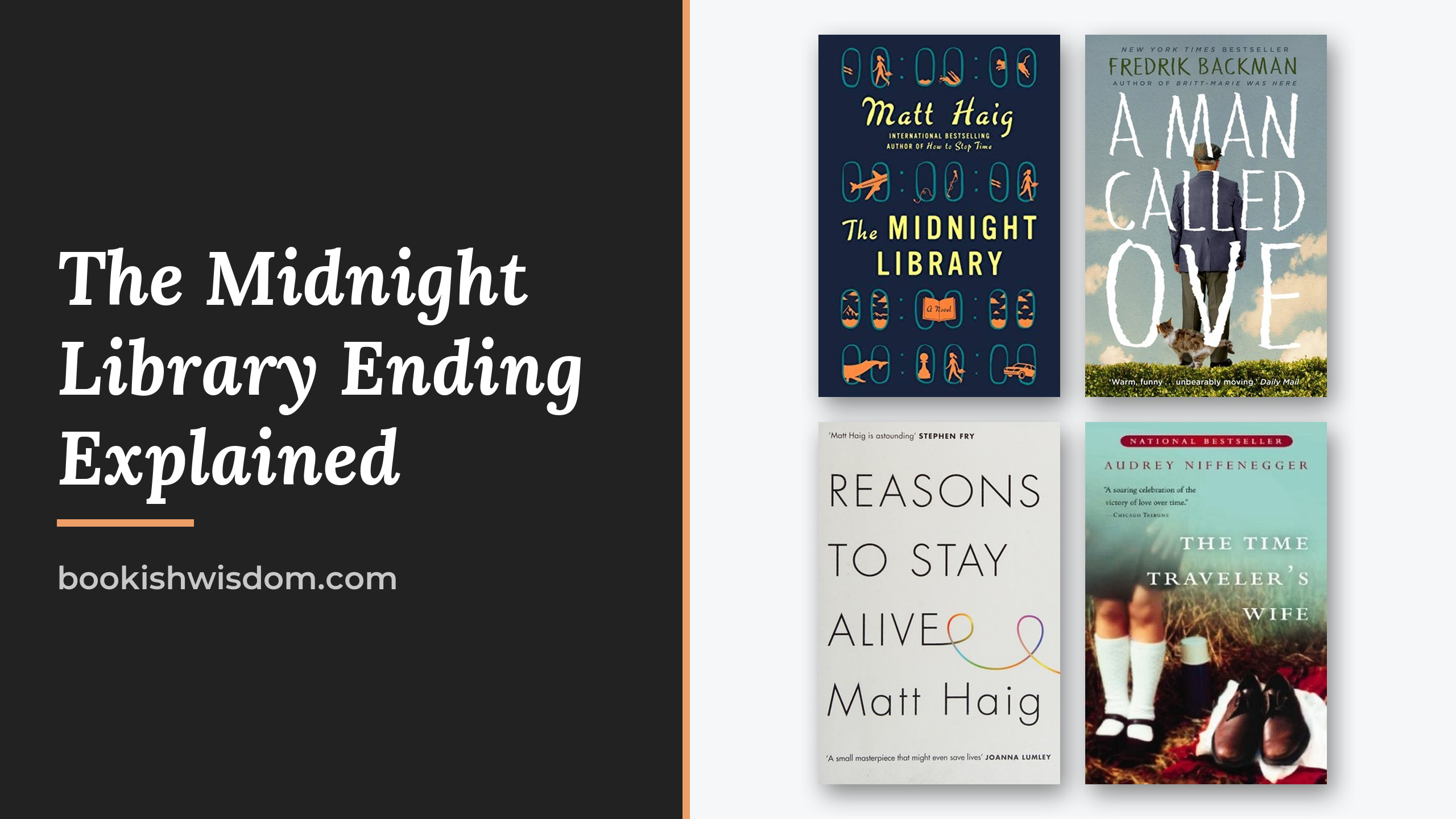
Disclosure: As an Amazon Associate, Bookish Wisdom earns from qualifying purchases. This doesn’t change our picks or your price.
Spoiler warning: This post explains the ending of The Midnight Library in detail, including major twists. If you have not finished the book, stop here.
Quick answer: At the end of The Midnight Library, Nora realizes that no alternate life is perfect and that she wants to live her own. The library collapses, she writes ‘I am alive’ in her book of regrets and wakes in her own bed, ready to start again.
Quick facts
Author: Matt Haig, published 2020
Genre: fantasy-tinged contemporary fiction
Main characters: Nora Seed, Mrs. Elm, Joe, Ash
Core idea: a library of every life Nora could have lived
Content: depression and suicidal thoughts
The Midnight Library is a novel about regret, choice and the lives we do not live. Nora Seed, in despair, finds herself in a library between life and death, where each book is a different version of her life. The ending answers the question the whole story has been asking: is there a better life than the one she has? This post explains what happens, what the final scene means and how the book handles its heavy subject. Spoilers follow.
This post discusses suicide and depression. If you are struggling, call or text 988 in the United States.
Check price of The Midnight Library on Amazon
Table of Contents
What Happens at the End (Short Version)
After trying many lives, Nora realizes none of them is perfect, and each has its own sorrow. When the library begins to burn and the shelves collapse, Mrs. Elm tells her this is because Nora has chosen to live. The only book left is her root life, and its pages are blank. Mrs. Elm gives her a fountain pen, and Nora writes ‘I am alive.’ She wakes in her own bed, ill from the overdose, stumbles to her neighbor’s house for help and survives. She reconciles with her brother Joe, reconnects with friends and begins visiting the real Mrs. Elm in a care home.
The Lives Nora Tries
The Midnight Library lets Nora sample lives built on different choices: a glaciologist studying the Arctic, a rock star, an Olympic swimmer, a pub owner with a partner, among others. Each seems like an answer until she finds a flaw: a loss, a cost, a version of herself she does not recognize. These episodes teach her that every life has trade-offs and that her regrets were more about perfection than about what was actually possible.
The Meaning of the Burning Library
When Nora decides that she wants to live, the library begins to collapse. This is not punishment but release; the burning shows that her choice has changed the rules. The only book that survives is her original life, now blank, because her future is unwritten. The image captures the book’s hopeful message: the life you have is not a failed draft but a story you are still writing.
Mrs. Elm and the Pen
Mrs. Elm, Nora’s school librarian, serves as her guide in the library. At the end, she gives Nora a pen to write in the blank book, symbolizing agency. The words ‘I am alive’ are simple, but they mark the turning point from despair to purpose. In the real world, Nora visits the actual Mrs. Elm, who is older and alone, and they play chess, bringing the symbolic relationship full circle.
What Changes in Nora’s Real Life
Nora’s life has not changed in its details, but her perspective has. She sees her town as a place she can leave or stay in by choice. She repairs her relationship with her brother, who shares his own struggles. She resumes music lessons with Leo and reconnects with her friend Izzy. She writes an essay suggesting that a person need only be one person, because every individual contains infinite possibility.
How the Book Handles Suicide and Depression
The novel begins with Nora’s suicide attempt and portrays depression with honesty, but it is not a clinical guide. Haig, who has written about his own depression, treats the subject with compassion. Some readers find the ending uplifting, while others feel it simplifies recovery. The book is an invitation to hope, not a substitute for treatment. If you are struggling, please speak with a doctor or call or text 988 in the United States.
Clues and Foreshadowing
Early scenes establish Nora’s regrets: leaving her band, ending her engagement, not following her father’s advice, not swimming competitively. Each becomes a path in the library. The chessboard recurring in the real and library worlds hints at the choice between moves. And the idea that the library is between life and death is hinted at in the first pages.
Themes: Regret, Possibility and Self-Acceptance
The book is about how we torture ourselves with ‘what ifs’ and how to find meaning in the present. It suggests that happiness is not located in a different life but in how we live the one we have. It also touches on the roles of relationships, music, work and nature in a meaningful life.
Reception and Why It Resonates
The Midnight Library became a worldwide bestseller after its 2020 release. Its accessible style, high concept and hopeful message made it a favorite for book clubs. Critics sometimes find it simplistic, but many readers say it helped them see their regrets differently. If you liked it, Haig’s memoir Reasons to Stay Alive offers a nonfiction counterpart.
Content Notes and Who Should Read It
The book includes suicidal thoughts and an attempt, grief and discussions of mental health. It may be comforting or triggering depending on your situation. Read when you feel able, and consider talking with someone if the themes affect you. If you are in crisis, call or text 988 in the United States.
How to Reread The Midnight Library Knowing the Ending
Once you know how The Midnight Library ends, a second read becomes a different book. Pay attention to the first chapters, where the author plants details that look harmless but later carry weight. Notice who gives information, who withholds it and which scenes are described in the most vivid detail, since those are often where the author is steering you. Mark lines that gain a second meaning, and compare your first-read impressions of each character with how you see them now. Many readers find that the ending does not spoil the book but deepens it, because what felt like plot on the first pass starts to look like design. Give yourself a few weeks between reads so that the details feel fresh.
Questions to Discuss After Finishing The Midnight Library
- Which moment in The Midnight Library changed how you saw the story, and why?
- Did the ending feel earned, or did it surprise you in a way that felt unfair?
- Which character’s choices did you understand best, and which frustrated you?
- What do you think the author wanted readers to take away?
- Would you change anything about the ending?
- How does the book’s setting shape its events?
- Which scene stayed with you after you finished?
- Who would you recommend The Midnight Library to, and who might want to skip it?
How to Recommend The Midnight Library Without Spoilers
If you want to recommend The Midnight Library without ruining it, talk about the mood and the questions the book raises instead of the plot. Say whether it is fast or slow, funny or grim, and what kind of reader will enjoy it. Avoid saying ‘you will not see the end coming’ or ‘the twist is amazing,’ since both prime a reader to hunt for clues. If a friend has already started the book, ask what they think is happening and listen without correcting. Spoilers spread quickly online, so mute discussion threads until you finish. And if you do accidentally reveal something, apologize and suggest reading anyway; many readers find the journey still rewarding.
Why Endings Like This One Divide Readers
Endings divide readers because they carry the burden of everything that came before. A twist that delights one person can feel like a cheat to another, and an open ending can read as either bold or evasive. When you finish The Midnight Library, it helps to ask what kind of satisfaction you wanted: justice, surprise, comfort or a lingering question. Authors who withhold closure are often trusting readers to carry the story forward, while authors who tie everything up are offering the pleasure of completion. Neither approach is better. The strongest endings feel inevitable in hindsight, as though the early chapters were quietly pointing toward them. If The Midnight Library left you frustrated, try naming exactly what you missed. That exercise often turns irritation into insight and helps you choose books that match your taste.
Processing a Heavy Ending
Some endings, including the one in The Midnight Library, leave a residue. If you feel unsettled, give yourself time before starting another book, or choose something light for a few days. Talking with a friend who has read it can help, as can writing down what you felt in a few sentences. If the book touched a personal experience, such as loss, abuse or illness, be gentle with yourself and step away from social media discussions that feel intense. Reading about hard subjects can build empathy and understanding, but it can also stir difficult feelings, and it is fine to stop or to return later. If something in the story brought up distress that does not pass, talking to a trusted person or professional is a good step.
What to Read After The Midnight Library
After finishing The Midnight Library, you may want something that echoes its mood or something that cleanses the palate. If you loved the suspense, look for authors who work in the same vein and read their most acclaimed titles first. If you wanted more character depth, try literary fiction with a similar theme. If the ending left you bleak, a funny novel or a cozy mystery can reset your reading mood. Libraries and bookstores often shelve read-alike recommendations near popular titles, and librarians are happy to help. Keep a short list of what worked for you in this book, whether pacing, voice or structure, and use it to guide your next pick.
Reading Journal Prompts for The Midnight Library
If you like to process books in writing, try these prompts after finishing:
- Write three sentences about how you felt in the last chapter and one sentence about how you felt a day later.
- List the three moments that changed how you saw the story.
- Note a detail you would have missed without knowing the ending.
- Write a paragraph in the voice of the character you understood best.
- Describe what you would say to the author if you could ask one question.
- Rate the ending from one to five and explain what would have raised your score.
A Book Club Plan for The Midnight Library
A book club discussion of The Midnight Library works best when members share first reactions before debating details. Start with a quick round where each person gives the ending a score from one to five and says in one sentence why. Then move through three topics: the twist or central question, the characters’ choices and the author’s craft. Save the hardest question, such as whether the ending was fair or what really happened, for the middle of the evening, when everyone is warmed up. Close with a vote on the most interesting line or scene, and ask what each person will read next. If members disagree, encourage them to point to passages instead of only opinions. Serve something simple so the conversation stays the focus, and agree in advance that spoilers are welcome.
Books Like The Midnight Library
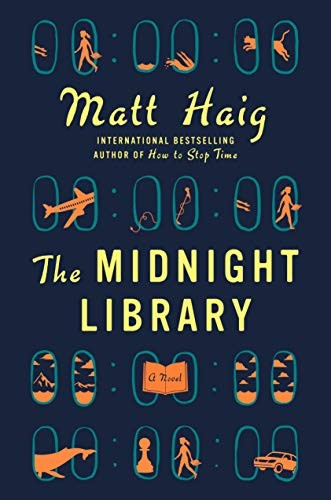
A Man Called Ove by Fredrik Backman. A grumpy widower finds new purpose through his neighbors. Funny and moving.
Check price of A Man Called Ove on Amazon
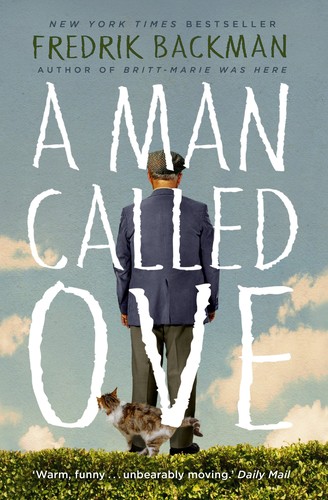
Reasons to Stay Alive by Matt Haig. Haig’s memoir of depression and recovery, with humor and hope.
Check price of Reasons to Stay Alive on Amazon
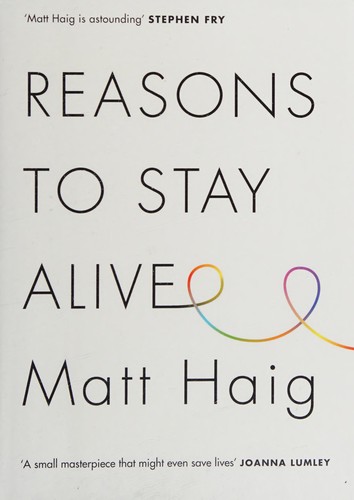
The Time Traveler’s Wife by Audrey Niffenegger. A romance across time, about choices and love.
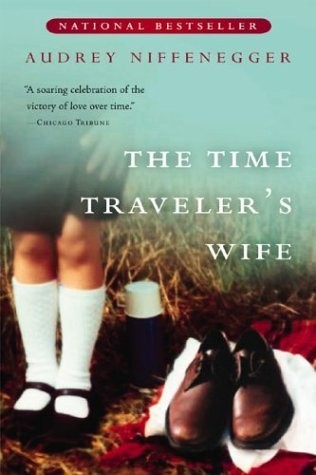
Check price of The Time Traveler’s Wife on Amazon
Related: The Midnight Library by Matt Haig: Summary and Key Takeaways · 15 Books Like The Midnight Library You’ll Love
Frequently Asked Questions
What happens at the end of The Midnight Library?
Nora decides to live, the library collapses, she writes ‘I am alive’ and wakes in her own bed to start again.
Does Nora die?
No. She survives the overdose and recovers.
What does the burning library mean?
It symbolizes that Nora has chosen life and the library is no longer needed.
Who is Mrs. Elm?
Nora’s former school librarian, who guides her in the library and visits her later in real life.
Is the book about suicide?
It begins with Nora’s suicide attempt but is a hopeful story about choosing to live.
Is there a sequel?
No. Haig has not written a direct sequel.