
Disclosure: As an Amazon Associate, Bookish Wisdom earns from qualifying purchases. This doesn’t change our picks or your price.
Spoiler warning: This post explains the ending of Shutter Island in detail, including major twists. If you have not finished the book, stop here.
Quick answer: At the end of Shutter Island, Teddy Daniels learns he is actually Andrew Laeddis, a patient at the hospital who killed his wife after she drowned their children. The investigation was a staged role-play to help him face the truth, and the ending suggests he may slide back into delusion.
Quick facts
Author: Dennis Lehane, published 2003
Genre: psychological thriller
Main characters: Teddy Daniels (Andrew Laeddis), Chuck Aule (Dr. Sheehan), Dr. Cawley
Core twist: the marshal is a patient
Adaptation: 2010 film directed by Martin Scorsese
Shutter Island is a novel of paranoia, isolation and a twist that reframes everything. Set in 1954 on an island hospital for the criminally insane, it follows U.S. Marshal Teddy Daniels as he investigates a patient’s disappearance. The truth, when it comes, is devastating. This post explains the twist, the role-play, the anagrams and the ambiguous ending, including how the film differs. Spoilers follow.
This post discusses mental illness, violence and the death of children.
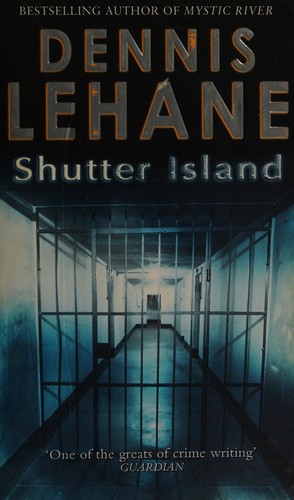
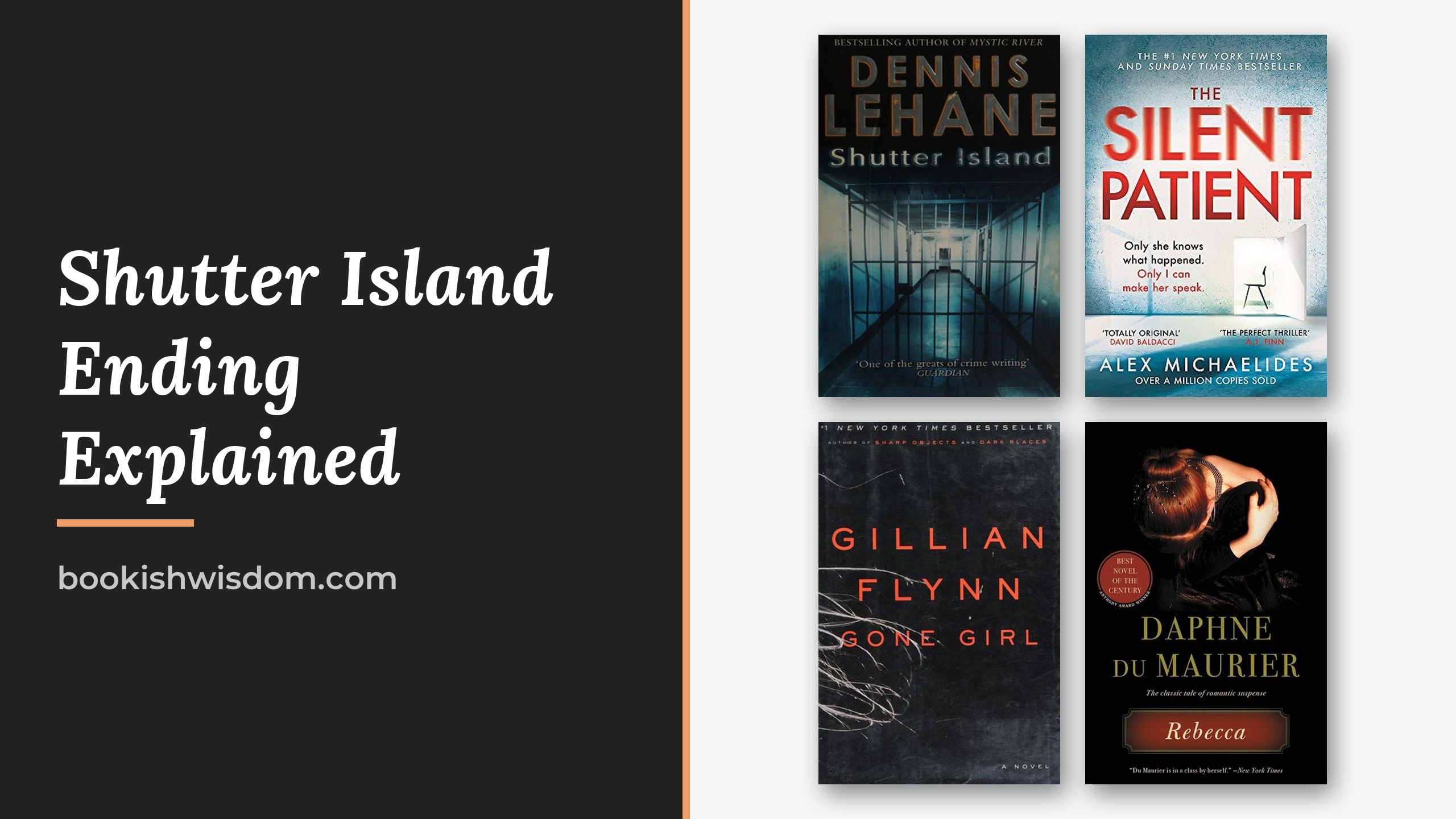
Check price of Shutter Island on Amazon
Table of Contents
What Happens at the End (Short Version)
Teddy Daniels learns that he is Andrew Laeddis, a former marshal committed to Ashecliffe for killing his wife, Dolores, after she drowned their three children. His partner Chuck is his psychiatrist, Dr. Lester Sheehan, and the investigation into missing patient Rachel Solando was a role-play designed to let him work through his delusion without a lobotomy. In the film version, Andrew has a moment of lucidity and then appears to relapse, leading the doctors to proceed with the lobotomy. He asks whether it is worse to live as a monster or die as a good man.
The Anagrams and Other Clues
The names are a puzzle: ‘Edward Daniels’ is an anagram of ‘Andrew Laeddis,’ and ‘Rachel Solando’ is an anagram of ‘Dolores Chanal.’ Rachel never existed; she was a symbolic creation of the role-play. Other clues include the staff’s odd reactions, the hospital’s lack of cooperation and Teddy’s headaches and nightmares, which are signs of his medication and trauma. These small details accumulate until the reveal.
Who Is Chuck?
Chuck Aule is Dr. Sheehan, Teddy’s psychiatrist, who played the role of his partner for two years. He wants to help Teddy confront reality. The relationship is poignant because Chuck genuinely cares, and the deception is meant as therapy. The reveal that the one trustworthy ally is part of the plan adds to the book’s paranoia.
The Role-Play and the Hospital’s Plan
Dr. Cawley and his team stage an elaborate scenario that lets Andrew pursue his delusional narrative to its end. The idea is that if he sees the evidence of his identity, he may accept it and avoid more radical treatment. The ethical complexity of the plan, using deception for therapy, is one of the story’s themes. It also raises the question of whether the doctors’ kindness is real or a form of control.
Dolores and the Children
The backstory is tragic. Dolores suffered from mental illness and, in a delusional state, drowned their children. Andrew, who had failed to get her help, killed her in grief and rage. His mind created the Teddy persona to escape that guilt. The novel handles this with restraint, but it is disturbing and sets the emotional stakes of the finale.
The Ending: Sane or Relapsed?
In the film, Andrew briefly accepts the truth and then appears to slip back into the Teddy persona, which prompts Dr. Cawley to order a lobotomy. Andrew asks, ‘Which would be worse, to live as a monster, or to die as a good man?’ and goes with the orderlies. That line is from the film, not the novel. Interpretations vary: some think he knowingly chooses oblivion; others, that he is trapped by delusion. Lehane has said he sees it as a single moment of sanity within ongoing illness.
Novel Versus Film
The 2010 film by Martin Scorsese stars Leonardo DiCaprio as Teddy and closely follows the novel’s plot. The famous closing line was added for the film. Visual style, score and performances heighten the dread. If you have seen the film, the novel offers a more interior experience of Teddy’s mind.
What Happens to Each Character
Andrew/Teddy is lobotomized in the film’s version of events, or remains confined. Dr. Cawley, who has hoped to cure him without surgery, faces a hard decision. Chuck/Sheehan is left with the failure of the experiment. Dolores and the children are dead before the story begins. The island remains a place of ghosts.
Themes: Guilt, Delusion and Treatment
The story explores how the mind protects itself from unbearable guilt and how mid-century psychiatry wrestled between drugs, therapy and surgery. It also questions who gets to define sanity. By making the reader complicit in Teddy’s perspective, the novel shows how convincing a delusion can be.
Reception and Legacy
Shutter Island became a bestseller and, with Scorsese’s film, a cultural touchstone for twist stories. The novel’s strengths are atmosphere and structure, using a storm, an island and a hospital to build dread. Critics have praised the way it plays fair with clues while keeping the reveal hidden. The film’s release in 2010 brought new readers to the book, who often compare how each handles the ending.
Content Notes and Who Should Read It
The story involves violence against children, mental illness, institutional abuse and a lobotomy. It is not for younger readers or for those sensitive to the death of children. For adults who like slow-burn thrillers with a psychological core, it is a standout. The setting in 1954 means that treatments and attitudes toward mental illness reflect the era, which the book uses to underline its themes.
How to Reread Shutter Island Knowing the Ending
A second reading of Shutter Island is a good way to test how fair the ending really is. Look for early moments that hint at what is coming, such as an offhand comment, a repeated image or a character who reacts oddly. Ask whether the author played fair or relied on surprise alone. Track the narrator’s reliability: where do they leave things out, and why? Reading with the ending in mind also lets you enjoy the craft, how sentences, pacing and structure serve the final moments. If you have a book club, ask each member to bring one passage that reads differently on a reread, and compare them.
Questions to Discuss After Finishing Shutter Island
- Which moment in Shutter Island changed how you saw the story, and why?
- Did the ending feel earned, or did it surprise you in a way that felt unfair?
- Which character’s choices did you understand best, and which frustrated you?
- What do you think the author wanted readers to take away?
- Would you change anything about the ending?
- How does the book’s setting shape its events?
- Which scene stayed with you after you finished?
- Who would you recommend Shutter Island to, and who might want to skip it?
How to Recommend Shutter Island Without Spoilers
If you want to recommend Shutter Island without ruining it, talk about the mood and the questions the book raises instead of the plot. Say whether it is fast or slow, funny or grim, and what kind of reader will enjoy it. Avoid saying ‘you will not see the end coming’ or ‘the twist is amazing,’ since both prime a reader to hunt for clues. If a friend has already started the book, ask what they think is happening and listen without correcting. Spoilers spread quickly online, so mute discussion threads until you finish. And if you do accidentally reveal something, apologize and suggest reading anyway; many readers find the journey still rewarding.
Why Endings Like This One Divide Readers
Part of the fun of a book like Shutter Island is arguing about its ending. Readers bring their own experiences, so the same final pages can feel hopeful to one person and bleak to another. Notice how your reaction changes over time; many readers rate a book higher a week after finishing, once the shock has settled and the structure becomes visible. Reading other people’s interpretations, in a club or online, can reveal angles you missed, but avoid letting a loud theory replace your own response. The text itself is the final authority, and rereading the last chapters is the best way to test any claim. Disagreement is not a sign that someone read it wrong; it is a sign that the book is doing its job.
Processing a Heavy Ending
Some endings, including the one in Shutter Island, leave a residue. If you feel unsettled, give yourself time before starting another book, or choose something light for a few days. Talking with a friend who has read it can help, as can writing down what you felt in a few sentences. If the book touched a personal experience, such as loss, abuse or illness, be gentle with yourself and step away from social media discussions that feel intense. Reading about hard subjects can build empathy and understanding, but it can also stir difficult feelings, and it is fine to stop or to return later. If something in the story brought up distress that does not pass, talking to a trusted person or professional is a good step.
What to Read After Shutter Island
After finishing Shutter Island, you may want something that echoes its mood or something that cleanses the palate. If you loved the suspense, look for authors who work in the same vein and read their most acclaimed titles first. If you wanted more character depth, try literary fiction with a similar theme. If the ending left you bleak, a funny novel or a cozy mystery can reset your reading mood. Libraries and bookstores often shelve read-alike recommendations near popular titles, and librarians are happy to help. Keep a short list of what worked for you in this book, whether pacing, voice or structure, and use it to guide your next pick.
Reading Journal Prompts for Shutter Island
If you like to process books in writing, try these prompts after finishing:
- Write three sentences about how you felt in the last chapter and one sentence about how you felt a day later.
- List the three moments that changed how you saw the story.
- Note a detail you would have missed without knowing the ending.
- Write a paragraph in the voice of the character you understood best.
- Describe what you would say to the author if you could ask one question.
- Rate the ending from one to five and explain what would have raised your score.
A Book Club Plan for Shutter Island
A book club discussion of Shutter Island works best when members share first reactions before debating details. Start with a quick round where each person gives the ending a score from one to five and says in one sentence why. Then move through three topics: the twist or central question, the characters’ choices and the author’s craft. Save the hardest question, such as whether the ending was fair or what really happened, for the middle of the evening, when everyone is warmed up. Close with a vote on the most interesting line or scene, and ask what each person will read next. If members disagree, encourage them to point to passages instead of only opinions. Serve something simple so the conversation stays the focus, and agree in advance that spoilers are welcome.
Books Like Shutter Island
The Silent Patient by Alex Michaelides. A therapist tries to discover why a woman stopped speaking after her husband’s death.
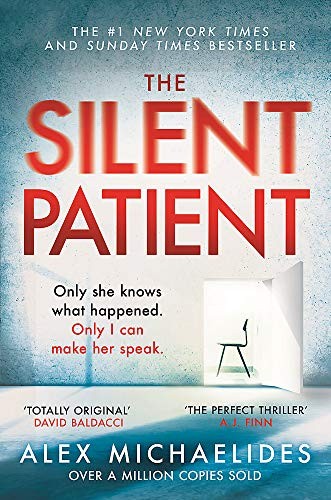
Check price of The Silent Patient on Amazon
Gone Girl by Gillian Flynn. A famous twist thriller about a marriage.
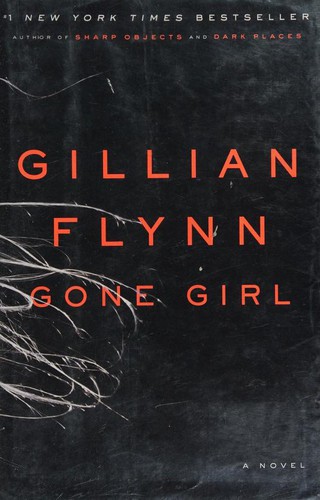
Check price of Gone Girl on Amazon
Rebecca by Daphne du Maurier. A classic of suspense and a house haunted by the past.
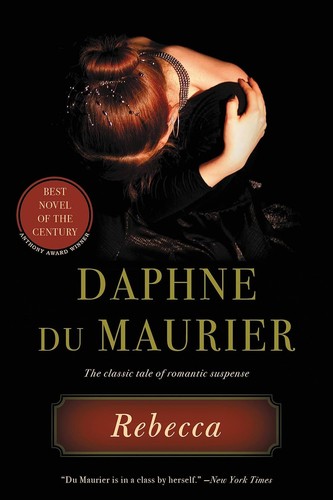
Check price of Rebecca on Amazon
Frequently Asked Questions
What is the twist in Shutter Island?
Teddy Daniels is actually Andrew Laeddis, a patient at the hospital, and the investigation is a role-play to help him accept the truth.
Who is Chuck?
Chuck Aule is Dr. Sheehan, Teddy’s psychiatrist.
Who is Rachel Solando?
She is a fictional patient whose name is an anagram of Dolores Chanal.
What does Teddy’s final line mean?
In the film, it suggests he may knowingly accept lobotomy rather than live with his guilt. The line is not in the novel.
Is Teddy sane at the end?
It is ambiguous. He may be lucid for a moment or relapsing.
Is the movie faithful?
Largely yes, with some differences in the ending.