
Disclosure: As an Amazon Associate, Bookish Wisdom earns from qualifying purchases. This doesn’t change our picks or your price.
Spoiler warning: This post explains the ending of Rebecca in detail, including major twists. If you have not finished the book, stop here.
Quick answer: At the end of Rebecca, Maxim confesses to the narrator that he killed his first wife Rebecca, and the second Mrs. de Winter chooses to stand by him. When it emerges that Rebecca was terminally ill, Maxim is cleared, but Mrs. Danvers disappears and Manderley burns.
Quick facts
Author: Daphne du Maurier, published 1938
Genre: gothic suspense
Main characters: the unnamed narrator, Maxim de Winter, Mrs. Danvers, Rebecca
Core twist: Rebecca was cruel, and Maxim killed her
Adaptations: Hitchcock film (1940) and a 2020 Netflix film
Rebecca opens with one of the most famous lines in English fiction, ‘Last night I dreamed I went to Manderley again.’ It follows an unnamed young woman who marries a wealthy widower and moves into his grand house, haunted by the memory of his first wife. The ending flips everything we think we know about Rebecca, Maxim and the narrator. This post explains the confession, the inquest, the doctor’s evidence and the fire. Spoilers ahead.
This post discusses murder and manipulation.
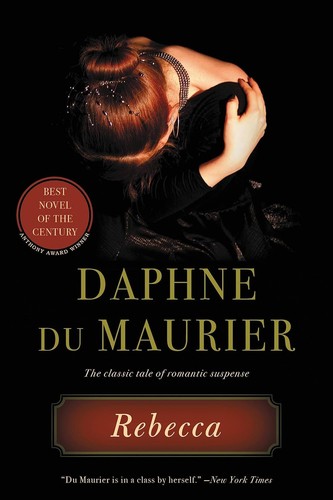
Check price of Rebecca on Amazon
Table of Contents
What Happens at the End (Short Version)
Divers discover Rebecca’s boat with her body inside, which contradicts the earlier story that she drowned and was found elsewhere. Maxim confesses to the narrator that he shot Rebecca and sank the boat himself, because she had mocked him and claimed she would pass off another man’s child as his heir. The narrator, relieved that Maxim never loved Rebecca, vows to protect him. At the inquest, a verdict of suicide is returned. When Rebecca’s cousin and lover, Favell, tries to blackmail Maxim, the investigation finds that Rebecca had a terminal illness and could not have been pregnant. Mrs. Danvers vanishes, and as Maxim and the narrator drive home, they see Manderley in flames.
Maxim’s Confession
In the middle of the book, Maxim tells the narrator that his marriage to Rebecca was a sham. He describes her as cruel, unfaithful and manipulative, someone who charmed everyone but delighted in humiliating him. On the night she died, she taunted him, and he killed her in a rage. The confession shocks the narrator, but it also frees her, because she had feared that Maxim still loved Rebecca. The shift marks her transformation from timid girl to resolute partner.
The Doctor’s Evidence
The final twist is that Rebecca visited a doctor in London shortly before she died. He reveals that she had cancer and that she could not have been pregnant. Maxim concludes that Rebecca may have goaded him into killing her so she could avoid a slow death, leaving him to bear the guilt. This gives the story moral ambiguity: Maxim is a murderer, but he may also have been manipulated into it. The legal outcome is that the evidence does not support murder.
Mrs. Danvers and the Fire
Mrs. Danvers, Rebecca’s devoted housekeeper, has tormented the narrator throughout the book, even urging her to jump from a window. After the inquest, she disappears. The book ends as Maxim and the narrator see a glow on the horizon and realize Manderley is burning. The novel never says who set the fire, but most readers conclude it was Mrs. Danvers, whose life was devoted to Rebecca and Manderley.
Why the Narrator Is Unnamed
The narrator’s lack of a name emphasizes her place in Rebecca’s shadow. She defines herself in relation to others, as a wife and as Mrs. de Winter. As the story progresses, she gains agency. Her decision to stand by Maxim after the confession is controversial: some readers see it as devotion, others as complicity. The unnamed narrator invites us to ask what we would do.
Clues and Foreshadowing
The prologue shows the couple in exile, hinting at a catastrophe. Mrs. Danvers’s obsessive shrine to Rebecca and the costume ball sequence foreshadow the narrator’s crisis. The boating cottage and the sealed rooms conceal secrets. Maxim’s moods, which the narrator first interprets as grief, are really guilt and fear.
What Happens to Each Character
Maxim is cleared but loses Manderley. The narrator gains confidence and marries into a life in exile. Mrs. Danvers vanishes, presumably dead. Favell is thwarted. Rebecca, though dead, remains the story’s strongest presence. The ending is bittersweet, as the couple escapes legal punishment but loses their home.
Themes: Jealousy, Memory and Class
The book explores jealousy of a dead rival, the weight of the past and the power of houses to hold memory. It also examines class, as the narrator, from modest background, struggles to fit in at Manderley. The idea that perfection can be a facade is central. For modern readers, the novel is also a study in manipulation, since Rebecca’s control continues beyond death.
Adaptations
Alfred Hitchcock’s 1940 film won the Academy Award for Best Picture, though it changes the ending to avoid showing Maxim as a murderer. A 2020 Netflix adaptation starring Lily James and Armie Hammer follows the story more loosely. If you only know the film, the novel’s darker ending may surprise you.
Reception and Influence
Rebecca has never been out of print since 1938 and is one of the most influential gothic novels. Its opening line, the haunted house and the shadow of a first wife have been echoed in countless later books and films. It is often compared to Jane Eyre for its young heroine and brooding hero, though du Maurier twists the formula. The novel invites readers to question romance itself, since the dashing husband turns out to be a murderer.
Content Notes and How to Read It Today
Readers should know that the book includes murder, suicide encouragement, class prejudice and a romantic hero with disturbing secrets. It was written in the 1930s and reflects the manners of the time. Modern readers may find the narrator’s passivity frustrating, but it is part of the book’s psychological study. Listening to an audiobook can help with the long descriptive passages. If you enjoy atmospheric suspense, it is a classic worth rereading.
How to Reread Rebecca Knowing the Ending
Once you know how Rebecca ends, a second read becomes a different book. Pay attention to the first chapters, where the author plants details that look harmless but later carry weight. Notice who gives information, who withholds it and which scenes are described in the most vivid detail, since those are often where the author is steering you. Mark lines that gain a second meaning, and compare your first-read impressions of each character with how you see them now. Many readers find that the ending does not spoil the book but deepens it, because what felt like plot on the first pass starts to look like design. Give yourself a few weeks between reads so that the details feel fresh.
Questions to Discuss After Finishing Rebecca
- Which moment in Rebecca changed how you saw the story, and why?
- Did the ending feel earned, or did it surprise you in a way that felt unfair?
- Which character’s choices did you understand best, and which frustrated you?
- What do you think the author wanted readers to take away?
- Would you change anything about the ending?
- How does the book’s setting shape its events?
- Which scene stayed with you after you finished?
- Who would you recommend Rebecca to, and who might want to skip it?
How to Recommend Rebecca Without Spoilers
If you want to recommend Rebecca without ruining it, talk about the mood and the questions the book raises instead of the plot. Say whether it is fast or slow, funny or grim, and what kind of reader will enjoy it. Avoid saying ‘you will not see the end coming’ or ‘the twist is amazing,’ since both prime a reader to hunt for clues. If a friend has already started the book, ask what they think is happening and listen without correcting. Spoilers spread quickly online, so mute discussion threads until you finish. And if you do accidentally reveal something, apologize and suggest reading anyway; many readers find the journey still rewarding.
Why Endings Like This One Divide Readers
Endings divide readers because they carry the burden of everything that came before. A twist that delights one person can feel like a cheat to another, and an open ending can read as either bold or evasive. When you finish Rebecca, it helps to ask what kind of satisfaction you wanted: justice, surprise, comfort or a lingering question. Authors who withhold closure are often trusting readers to carry the story forward, while authors who tie everything up are offering the pleasure of completion. Neither approach is better. The strongest endings feel inevitable in hindsight, as though the early chapters were quietly pointing toward them. If Rebecca left you frustrated, try naming exactly what you missed. That exercise often turns irritation into insight and helps you choose books that match your taste.
Processing a Heavy Ending
Some endings, including the one in Rebecca, leave a residue. If you feel unsettled, give yourself time before starting another book, or choose something light for a few days. Talking with a friend who has read it can help, as can writing down what you felt in a few sentences. If the book touched a personal experience, such as loss, abuse or illness, be gentle with yourself and step away from social media discussions that feel intense. Reading about hard subjects can build empathy and understanding, but it can also stir difficult feelings, and it is fine to stop or to return later. If something in the story brought up distress that does not pass, talking to a trusted person or professional is a good step.
What to Read After Rebecca
After finishing Rebecca, you may want something that echoes its mood or something that cleanses the palate. If you loved the suspense, look for authors who work in the same vein and read their most acclaimed titles first. If you wanted more character depth, try literary fiction with a similar theme. If the ending left you bleak, a funny novel or a cozy mystery can reset your reading mood. Libraries and bookstores often shelve read-alike recommendations near popular titles, and librarians are happy to help. Keep a short list of what worked for you in this book, whether pacing, voice or structure, and use it to guide your next pick.
Reading Journal Prompts for Rebecca
If you like to process books in writing, try these prompts after finishing:
- Write three sentences about how you felt in the last chapter and one sentence about how you felt a day later.
- List the three moments that changed how you saw the story.
- Note a detail you would have missed without knowing the ending.
- Write a paragraph in the voice of the character you understood best.
- Describe what you would say to the author if you could ask one question.
- Rate the ending from one to five and explain what would have raised your score.
A Book Club Plan for Rebecca
A book club discussion of Rebecca works best when members share first reactions before debating details. Start with a quick round where each person gives the ending a score from one to five and says in one sentence why. Then move through three topics: the twist or central question, the characters’ choices and the author’s craft. Save the hardest question, such as whether the ending was fair or what really happened, for the middle of the evening, when everyone is warmed up. Close with a vote on the most interesting line or scene, and ask what each person will read next. If members disagree, encourage them to point to passages instead of only opinions. Serve something simple so the conversation stays the focus, and agree in advance that spoilers are welcome.
Books Like Rebecca
Jane Eyre by Charlotte Brontë. A governess falls in love with her employer in a house full of secrets.
Check price of Jane Eyre on Amazon
The Haunting of Hill House by Shirley Jackson. A classic haunted-house novel with psychological depth.
Check price of The Haunting of Hill House on Amazon
Mexican Gothic by Silvia Moreno-Garcia. A modern gothic about a mansion with dark secrets.
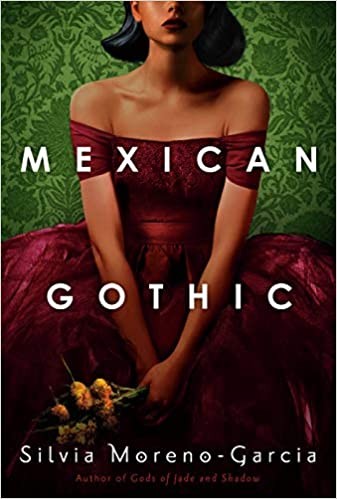
Check price of Mexican Gothic on Amazon
Related: the Girl on the Train Ending Explained and the Woman in the Window Ending Explained.
Frequently Asked Questions
Does Maxim kill Rebecca?
Yes. He confesses that he shot her and sank her boat, though the evidence later suggests she was terminally ill.
Who burns Manderley?
The book does not say, but Mrs. Danvers’s disappearance suggests she set the fire.
Was Rebecca pregnant?
No. A doctor reveals she could not have been pregnant and had cancer.
Why is the narrator never named?
It emphasizes her insecurity and the dominance of Rebecca’s presence.
Is the 1940 film faithful?
It changes the ending so that Rebecca’s death is accidental, due to film censorship.
Is there a sequel?
No official sequel, though Mrs. de Winter by Susan Hill is a continuation by another author.