
Disclosure: As an Amazon Associate, Bookish Wisdom earns from qualifying purchases. This doesn’t change our picks or your price.
Spoiler warning: This post explains the ending of The Girl on the Train in detail, including major twists. If you have not finished the book, stop here.
Quick answer: At the end of The Girl on the Train, Rachel realizes her ex-husband Tom killed Megan and has been gaslighting her for years. When Tom attacks Rachel, she stabs him with a corkscrew and Anna, Tom’s current wife, helps ensure he dies, and the two women tell police it was self-defense.
Quick facts
Author: Paula Hawkins, published 2015
Genre: psychological thriller
Main characters: Rachel Watson, Megan Hipwell, Anna Watson, Tom Watson
Core twist: Tom killed Megan and manipulated Rachel
Content: alcoholism, violence and manipulation
The Girl on the Train follows three women whose lives intersect in a London suburb: Rachel, a drinker who watches a house from the train; Megan, who lives there and vanishes; and Anna, who has taken Rachel’s old place. The ending reveals who the real danger is. This post explains the twist, the final confrontation and the last scene. Spoilers ahead.
This post discusses violence, alcoholism and manipulation.
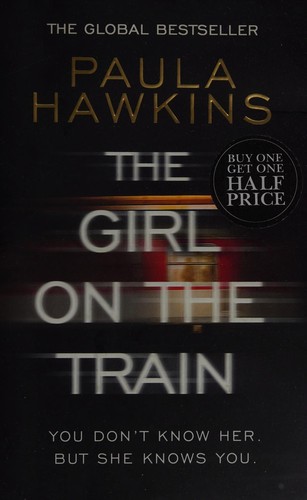
Check price of The Girl on the Train on Amazon
Table of Contents
What Happens at the End (Short Version)
Rachel, trying to piece together blacked-out memories of the night Megan disappeared, recalls seeing Megan get into Tom’s car. She realizes that Tom, her ex-husband, had been having an affair with Megan and killed her after Megan threatened to expose it. She also understands that Tom had gaslit her for years about her drinking and behavior. Anna finds out and confronts him. Tom confesses and tries to kill Rachel. Rachel stabs him with a corkscrew, and Anna ensures he dies. They tell police it was self-defense. Rachel ends the book sober and ready to move on.
The Twist: Tom Is the Killer
Throughout the book, suspicion falls on Scott, Megan’s husband, and Kamal, her therapist. The reveal that Tom, who has seemed like a bland suburban husband, is the murderer is built carefully. He was having an affair with Megan, who became pregnant, and he killed her when she threatened to tell Anna. The twist works because Tom’s presence is constant but unremarkable, and because Rachel’s unreliability makes it hard to see him clearly.
Gaslighting Rachel
Tom’s long manipulation of Rachel is as important as the murder. He told her that she behaved terribly while drunk, even when she did not, and made her doubt her memory. When Rachel learns that many of the incidents he blamed on her never occurred, she realizes the extent of his control. The book portrays gaslighting as a quiet form of abuse that leaves Rachel unsure of her own mind.
Megan’s Story
Megan, whom Rachel nicknames ‘Jess,’ is revealed as a woman with a painful past who sought relationships to escape her pain. She had affairs, including with her therapist, and was pregnant with Tom’s child. Her death is the center of the mystery, but her voice also shows how women’s pain is often ignored. Hawkins uses her chapters to complicate the tidy image Rachel built from the train.
The Final Confrontation
Anna learns the truth when she finds evidence of Tom’s affair and confronts him. Tom confesses and turns violent, intending to silence Rachel. In the struggle, Rachel stabs him with a corkscrew. Anna, who had been afraid of Tom, chooses to finish what Rachel started. The two women, once rivals, unite to survive.
The Aftermath
Rachel and Anna tell the police that Tom attacked them and that his death was self-defense. The story is accepted. Rachel, now free of Tom’s lies, decides to stop drinking and rebuild her life, boarding the train with a new sense of purpose. The ending offers emotional closure even if it leaves moral questions about the women’s actions.
Clues and Foreshadowing
Tom’s hands-on involvement in Rachel’s old routines is a hint. The way he reacts to Rachel’s calls and visits suggests control. Megan’s pregnancy points to someone close. And the fragmented structure, shifting among three narrators and different time frames, hides the pieces until the end.
What Happens to Each Character
Tom dies. Rachel survives, sober and hopeful. Anna, who has lived under Tom’s control, is freed. Megan is dead, and Scott and Kamal are cleared. The ending suggests that women’s alliance, not suspicion, is the way out of Tom’s web.
Themes: Memory, Alcohol and Control
The book is about unreliable memory and the way alcohol and trauma blur perception. It also examines how men can control women through subtle manipulation. By switching between narrators, Hawkins shows that each woman sees only part of the picture. The movie adaptation with Emily Blunt moves the setting to New York but keeps the central twist.
Reception and Adaptations
The Girl on the Train was a global bestseller in 2015 and spawned a 2016 film starring Emily Blunt, with the setting moved to New York, and a 2021 Hindi adaptation. It helped popularize the ‘girl’ thriller trend, with unreliable female narrators and domestic secrets. Some critics found the writing uneven, but many praised the structure and the way it uses alcoholism to complicate memory.
Content Notes and Who Should Read It
The book deals with alcoholism, infertility, infidelity, murder and domestic manipulation. It is a tense read, not graphic by genre standards but emotionally heavy. Readers who enjoy multiple narrators and slow reveals will find it satisfying. Those sensitive to depictions of addiction or gaslighting should be mindful. The ending is cathartic, with the villain defeated by the women he wronged.
How to Reread The Girl on the Train Knowing the Ending
A second reading of The Girl on the Train is a good way to test how fair the ending really is. Look for early moments that hint at what is coming, such as an offhand comment, a repeated image or a character who reacts oddly. Ask whether the author played fair or relied on surprise alone. Track the narrator’s reliability: where do they leave things out, and why? Reading with the ending in mind also lets you enjoy the craft, how sentences, pacing and structure serve the final moments. If you have a book club, ask each member to bring one passage that reads differently on a reread, and compare them.
Questions to Discuss After Finishing The Girl on the Train
- Which moment in The Girl on the Train changed how you saw the story, and why?
- Did the ending feel earned, or did it surprise you in a way that felt unfair?
- Which character’s choices did you understand best, and which frustrated you?
- What do you think the author wanted readers to take away?
- Would you change anything about the ending?
- How does the book’s setting shape its events?
- Which scene stayed with you after you finished?
- Who would you recommend The Girl on the Train to, and who might want to skip it?
How to Recommend The Girl on the Train Without Spoilers
If you want to recommend The Girl on the Train without ruining it, talk about the mood and the questions the book raises instead of the plot. Say whether it is fast or slow, funny or grim, and what kind of reader will enjoy it. Avoid saying ‘you will not see the end coming’ or ‘the twist is amazing,’ since both prime a reader to hunt for clues. If a friend has already started the book, ask what they think is happening and listen without correcting. Spoilers spread quickly online, so mute discussion threads until you finish. And if you do accidentally reveal something, apologize and suggest reading anyway; many readers find the journey still rewarding.
Why Endings Like This One Divide Readers
Part of the fun of a book like The Girl on the Train is arguing about its ending. Readers bring their own experiences, so the same final pages can feel hopeful to one person and bleak to another. Notice how your reaction changes over time; many readers rate a book higher a week after finishing, once the shock has settled and the structure becomes visible. Reading other people’s interpretations, in a club or online, can reveal angles you missed, but avoid letting a loud theory replace your own response. The text itself is the final authority, and rereading the last chapters is the best way to test any claim. Disagreement is not a sign that someone read it wrong; it is a sign that the book is doing its job.
Processing a Heavy Ending
Some endings, including the one in The Girl on the Train, leave a residue. If you feel unsettled, give yourself time before starting another book, or choose something light for a few days. Talking with a friend who has read it can help, as can writing down what you felt in a few sentences. If the book touched a personal experience, such as loss, abuse or illness, be gentle with yourself and step away from social media discussions that feel intense. Reading about hard subjects can build empathy and understanding, but it can also stir difficult feelings, and it is fine to stop or to return later. If something in the story brought up distress that does not pass, talking to a trusted person or professional is a good step.
What to Read After The Girl on the Train
After finishing The Girl on the Train, you may want something that echoes its mood or something that cleanses the palate. If you loved the suspense, look for authors who work in the same vein and read their most acclaimed titles first. If you wanted more character depth, try literary fiction with a similar theme. If the ending left you bleak, a funny novel or a cozy mystery can reset your reading mood. Libraries and bookstores often shelve read-alike recommendations near popular titles, and librarians are happy to help. Keep a short list of what worked for you in this book, whether pacing, voice or structure, and use it to guide your next pick.
Reading Journal Prompts for The Girl on the Train
If you like to process books in writing, try these prompts after finishing:
- Write three sentences about how you felt in the last chapter and one sentence about how you felt a day later.
- List the three moments that changed how you saw the story.
- Note a detail you would have missed without knowing the ending.
- Write a paragraph in the voice of the character you understood best.
- Describe what you would say to the author if you could ask one question.
- Rate the ending from one to five and explain what would have raised your score.
A Book Club Plan for The Girl on the Train
A book club discussion of The Girl on the Train works best when members share first reactions before debating details. Start with a quick round where each person gives the ending a score from one to five and says in one sentence why. Then move through three topics: the twist or central question, the characters’ choices and the author’s craft. Save the hardest question, such as whether the ending was fair or what really happened, for the middle of the evening, when everyone is warmed up. Close with a vote on the most interesting line or scene, and ask what each person will read next. If members disagree, encourage them to point to passages instead of only opinions. Serve something simple so the conversation stays the focus, and agree in advance that spoilers are welcome.
Books Like The Girl on the Train
Gone Girl by Gillian Flynn. A marriage thriller with a famous twist.
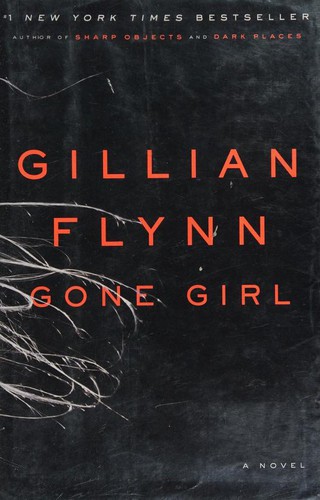
Check price of Gone Girl on Amazon
The Woman in the Window by A.J. Finn. An agoraphobic psychologist thinks she saw a murder.
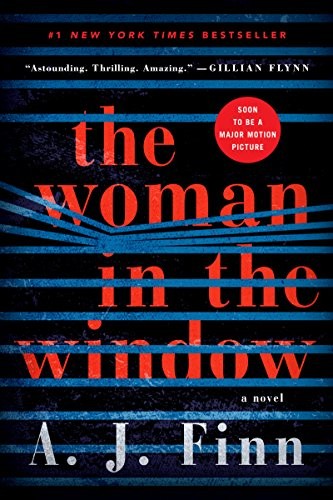
Check price of The Woman in the Window on Amazon
The Silent Patient by Alex Michaelides. A therapist tries to understand a woman’s silence after her husband’s death.
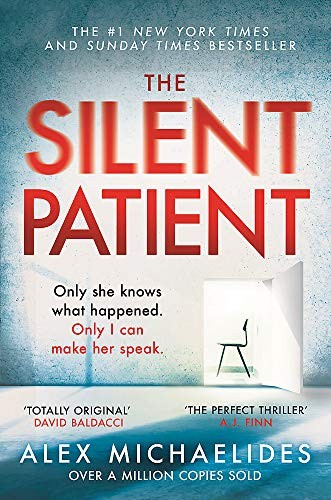
Check price of The Silent Patient on Amazon
Related: the Woman in the Window Ending Explained and the Last Thing He Told Me Ending Explained.
Frequently Asked Questions
Who killed Megan in The Girl on the Train?
Tom Watson, Rachel’s ex-husband, killed Megan after she threatened to reveal their affair.
Was Rachel gaslit?
Yes. Tom lied to her for years about her drunken behavior.
How does Tom die?
Rachel stabs him with a corkscrew, and Anna helps ensure he dies. They claim self-defense.
Does Rachel stop drinking?
The ending suggests she decides to quit and begin again.
Is there a sequel?
No, though Hawkins has written other thrillers.
Is the movie the same?
The 2016 film starring Emily Blunt keeps the main twist but changes the setting.