
Disclosure: As an Amazon Associate, Bookish Wisdom earns from qualifying purchases. This doesn’t change our picks or your price.
Spoiler warning: This post explains the ending of The Woman in the Window in detail, including major twists. If you have not finished the book, stop here.
Quick answer: At the end of The Woman in the Window, Anna learns that the woman she saw stabbed was not Jane Russell but Katie, the biological mother of the Russells’ adopted son Ethan, and that Ethan killed her. Ethan then attacks Anna, and she pushes him through a skylight, ending his life.
Quick facts
Author: A.J. Finn (Dan Mallory), published 2018
Genre: psychological thriller
Main characters: Anna Fox, Ethan Russell, Alistair Russell, Jane Russell
Core twist: the woman Anna met was Katie, and Ethan killed her
Content: violence, alcohol, grief and mental illness
The Woman in the Window is a thriller in the tradition of Rear Window. Anna Fox, an agoraphobic psychologist, watches her neighbors, witnesses what looks like a murder and is told by everyone that she imagined it. The ending untangles who is lying, who is dangerous and what is real. This post explains it in detail. Spoilers follow.
This post discusses violence, grief and mental illness.
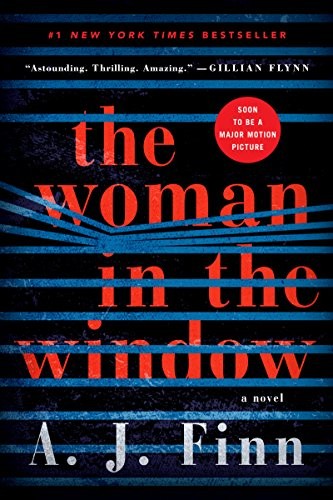
Check price of The Woman in the Window on Amazon
Table of Contents
What Happens at the End (Short Version)
Anna discovers that the woman she saw stabbed was Katie, Ethan Russell’s biological mother, who had been visiting him. Ethan, the Russells’ adopted son, killed her, and his parents helped cover it up. After Anna realizes Ethan knew something he should not have, he enters her house and confesses to violent urges and to watching her at night. When he tries to kill her, Anna flees to the roof and pushes him through a skylight. He dies. Alistair is arrested as an accessory, and Anna begins to rebuild her life.
Who Was the Woman Anna Saw Stabbed?
Anna had befriended a woman who introduced herself as Jane Russell. In fact, that woman was Katie, who had been searching for her son. When Anna later sees a different woman identifying herself as Jane, she cannot reconcile the two. The real Jane is Ethan’s adoptive mother, and the mismatch is the key to the mystery. The police and Anna’s doubts about her own reliability make the truth harder to grasp.
Anna’s Unreliability
Anna drinks heavily, mixes alcohol with medication and has been isolated for months. She also talks on the phone with her husband Ed and daughter Olivia, who are in fact dead, a fact the police eventually reveal. Her hallucinations and conversations undermine her credibility, and the book uses this to create doubt about everything she sees. When the truth finally emerges, it confirms that she was right about the murder even if she was wrong about much else.
Ethan’s Confession
Ethan appears to be a polite teenager. In the climactic scene he reveals psychopathic tendencies, describes stalking other women and says he killed Katie. The scene is chilling because it reverses expectations: the apparent victim of his parents’ secrets is the true threat. His confession also explains his strange knowledge of events that only the killer could know.
The Roof and the Skylight
Anna escapes Ethan by climbing to the roof of her house. In the struggle, she pushes him through an old skylight, and he falls to his death. The scene is the culmination of Anna’s arc: the woman who has been afraid to leave her house defends herself by confronting danger directly. It is a pulpy, cinematic climax.
What Happens to Alistair and Jane
Alistair, who covered up Katie’s death, is arrested as an accessory to murder. The novel presents Jane as complicit in the cover-up but also as a woman under pressure. Their secrets show how a seemingly perfect family hid a crime to protect their adopted son.
Clues and Foreshadowing
The two different ‘Janes’ are an early clue that something is off. Ethan’s curious politeness and his visits to Anna’s house are hints. The photo of Anna sleeping, sent anonymously, points to someone inside her life. Finn also references classic films, especially Rear Window, making Anna’s role as watcher a core motif.
What Happens to Anna
Anna survives, reclaims her agency and slowly begins to rebuild. The ending suggests she is making progress toward leaving the house, though the book does not claim a complete recovery. The finale emphasizes that her perception, though unreliable, was not entirely wrong.
Themes: Watching, Trauma and Being Believed
The book examines voyeurism, the isolation of trauma and the experience of not being believed. It also treats mental illness with a mix of empathy and thriller conventions. Readers who enjoy classic suspense tropes will find plenty of nods, though some critics found the plot derivative. The 2021 film adaptation with Amy Adams follows the story but changes some details.
Reception and Controversy
The Woman in the Window debuted at the top of bestseller lists in 2018 and was adapted into a 2021 film starring Amy Adams. Reviewers compared it to Hitchcock and to other unreliable-narrator thrillers. The book also drew attention for the author’s real-life controversies, which came to light after publication. Whatever your view, the novel remains a popular, quick read, and the ending is often discussed as a twist that mixes surprise and convention.
Content Notes and Who Should Read It
The novel includes alcohol and medication misuse, depression, the deaths of a husband and child and violence. It is aimed at adult readers of psychological suspense. If you like classic thrillers with a bit of pulp, it is a good choice. If you prefer realistic portrayals of mental health, note that the book uses these themes for plot. The final act is tense and physical, so sensitive readers should be prepared.
How to Reread The Woman in the Window Knowing the Ending
Once you know how The Woman in the Window ends, a second read becomes a different book. Pay attention to the first chapters, where the author plants details that look harmless but later carry weight. Notice who gives information, who withholds it and which scenes are described in the most vivid detail, since those are often where the author is steering you. Mark lines that gain a second meaning, and compare your first-read impressions of each character with how you see them now. Many readers find that the ending does not spoil the book but deepens it, because what felt like plot on the first pass starts to look like design. Give yourself a few weeks between reads so that the details feel fresh.
Questions to Discuss After Finishing The Woman in the Window
- Which moment in The Woman in the Window changed how you saw the story, and why?
- Did the ending feel earned, or did it surprise you in a way that felt unfair?
- Which character’s choices did you understand best, and which frustrated you?
- What do you think the author wanted readers to take away?
- Would you change anything about the ending?
- How does the book’s setting shape its events?
- Which scene stayed with you after you finished?
- Who would you recommend The Woman in the Window to, and who might want to skip it?
How to Recommend The Woman in the Window Without Spoilers
If you want to recommend The Woman in the Window without ruining it, talk about the mood and the questions the book raises instead of the plot. Say whether it is fast or slow, funny or grim, and what kind of reader will enjoy it. Avoid saying ‘you will not see the end coming’ or ‘the twist is amazing,’ since both prime a reader to hunt for clues. If a friend has already started the book, ask what they think is happening and listen without correcting. Spoilers spread quickly online, so mute discussion threads until you finish. And if you do accidentally reveal something, apologize and suggest reading anyway; many readers find the journey still rewarding.
Why Endings Like This One Divide Readers
Endings divide readers because they carry the burden of everything that came before. A twist that delights one person can feel like a cheat to another, and an open ending can read as either bold or evasive. When you finish The Woman in the Window, it helps to ask what kind of satisfaction you wanted: justice, surprise, comfort or a lingering question. Authors who withhold closure are often trusting readers to carry the story forward, while authors who tie everything up are offering the pleasure of completion. Neither approach is better. The strongest endings feel inevitable in hindsight, as though the early chapters were quietly pointing toward them. If The Woman in the Window left you frustrated, try naming exactly what you missed. That exercise often turns irritation into insight and helps you choose books that match your taste.
Processing a Heavy Ending
Some endings, including the one in The Woman in the Window, leave a residue. If you feel unsettled, give yourself time before starting another book, or choose something light for a few days. Talking with a friend who has read it can help, as can writing down what you felt in a few sentences. If the book touched a personal experience, such as loss, abuse or illness, be gentle with yourself and step away from social media discussions that feel intense. Reading about hard subjects can build empathy and understanding, but it can also stir difficult feelings, and it is fine to stop or to return later. If something in the story brought up distress that does not pass, talking to a trusted person or professional is a good step.
What to Read After The Woman in the Window
After finishing The Woman in the Window, you may want something that echoes its mood or something that cleanses the palate. If you loved the suspense, look for authors who work in the same vein and read their most acclaimed titles first. If you wanted more character depth, try literary fiction with a similar theme. If the ending left you bleak, a funny novel or a cozy mystery can reset your reading mood. Libraries and bookstores often shelve read-alike recommendations near popular titles, and librarians are happy to help. Keep a short list of what worked for you in this book, whether pacing, voice or structure, and use it to guide your next pick.
Reading Journal Prompts for The Woman in the Window
If you like to process books in writing, try these prompts after finishing:
- Write three sentences about how you felt in the last chapter and one sentence about how you felt a day later.
- List the three moments that changed how you saw the story.
- Note a detail you would have missed without knowing the ending.
- Write a paragraph in the voice of the character you understood best.
- Describe what you would say to the author if you could ask one question.
- Rate the ending from one to five and explain what would have raised your score.
A Book Club Plan for The Woman in the Window
A book club discussion of The Woman in the Window works best when members share first reactions before debating details. Start with a quick round where each person gives the ending a score from one to five and says in one sentence why. Then move through three topics: the twist or central question, the characters’ choices and the author’s craft. Save the hardest question, such as whether the ending was fair or what really happened, for the middle of the evening, when everyone is warmed up. Close with a vote on the most interesting line or scene, and ask what each person will read next. If members disagree, encourage them to point to passages instead of only opinions. Serve something simple so the conversation stays the focus, and agree in advance that spoilers are welcome.
Books Like The Woman in the Window
Gone Girl by Gillian Flynn. A marriage thriller with a famous twist and an unreliable narrator.
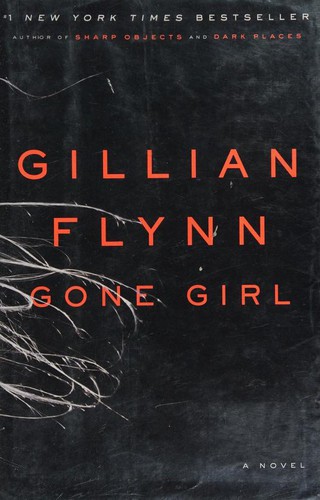
Check price of Gone Girl on Amazon
The Girl on the Train by Paula Hawkins. An alcoholic commuter piece together a missing woman’s story.
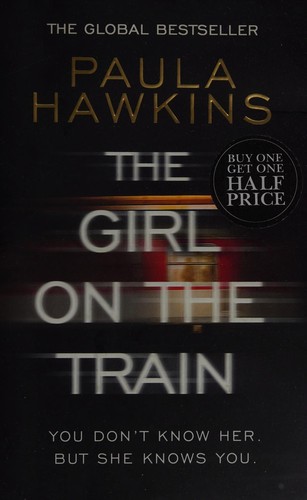
Check price of The Girl on the Train on Amazon
Rebecca by Daphne du Maurier. A classic gothic suspense novel about a new wife haunted by the first.
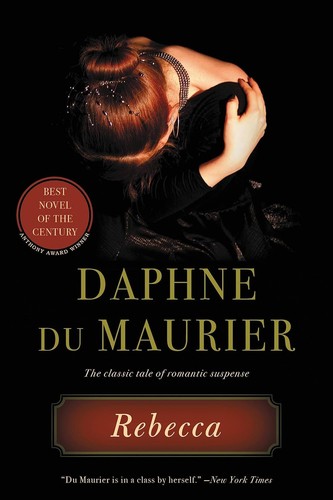
Check price of Rebecca on Amazon
Related: the Last Thing He Told Me Ending Explained and the Housemaid’s Secret Ending Explained.
Frequently Asked Questions
Who killed Katie in The Woman in the Window?
Ethan Russell, the Russells’ adopted son, killed Katie, his biological mother.
Is Anna Fox right about the murder?
Yes, although many of her other perceptions are unreliable.
What happened to Ed and Olivia?
They died, and Anna has been imagining conversations with them.
How does Ethan die?
Anna pushes him through a skylight on the roof.
Is there a movie?
Yes, a 2021 film starring Amy Adams.
Is the book like Rear Window?
Yes, it borrows its basic setup of a watcher who may have seen a murder.