

Disclosure: As an Amazon Associate, Bookish Wisdom earns from qualifying purchases. This doesn’t change our picks or your price.
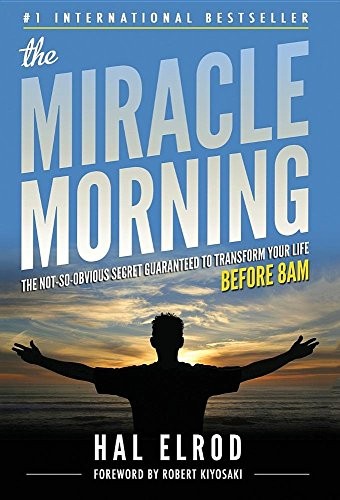
TL;DR: The Miracle Morning teaches a morning routine called SAVERS: Silence, Affirmations, Visualization, Exercise, Reading and Scribing (journaling). Hal Elrod argues that dedicating time each morning to personal growth, even just six minutes, can transform your energy, focus and life.
Hal Elrod’s story is dramatic. At 20, he was hit head-on by a drunk driver and was clinically dead for several minutes. Doctors weren’t sure he would walk again, but he recovered and built a successful sales career. Years later, during the 2008 financial crisis, he hit rock bottom again and created the routine that became The Miracle Morning, first published in 2012. The book has since sold millions of copies and spawned an entire series. Here’s a complete summary of the method and how to start.
Table of Contents
The Miracle Morning at a Glance
| Detail | Info |
|---|---|
| Author | Hal Elrod |
| Published | 2012 (updated edition 2023) |
| Genre | Self-help / productivity |
| Core method | The SAVERS morning routine |
| Best for | Anyone who wants a structured morning routine for personal growth |
What Is The Miracle Morning About?
Elrod argues that how you start your day shapes the rest of it. Most people wake up rushed, hit snooze and react to emails and messages. The Miracle Morning replaces that with a deliberate routine focused on self-improvement before the day begins. He believes many people settle for “mediocrity” because they never make time to grow, and that mornings are the easiest time to protect for yourself.
Key Ideas From the Book
The SAVERS Routine
- Silence: Start with a few minutes of quiet, such as meditation, deep breathing or simple reflection.
- Affirmations: Read statements that remind you of your goals, why they matter and what you’ll do to reach them.
- Visualization: Picture yourself achieving your goals and doing the work needed to get there.
- Exercise: Move your body, even briefly, to boost energy and mood.
- Reading: Read a few pages of a book that helps you grow.
- Scribing: Journal your thoughts, gratitude, ideas and progress.
The Six-Minute Miracle Morning
If you’re short on time, Elrod suggests spending one minute on each of the six SAVERS. This makes the routine accessible even on busy days.
Beating the Snooze Button
Elrod offers a strategy for waking up: set your intention the night before, put your alarm across the room so you have to get up, brush your teeth, drink a glass of water and put on workout clothes. These small steps help you get past the urge to go back to bed.
The 30-Day Challenge
Elrod describes three phases of building a new habit over 30 days: the first days can feel unbearable, the middle period uncomfortable, and by the end the routine becomes unstoppable. He encourages readers to commit to 30 days to give the habit time to stick.
5 Key Takeaways From The Miracle Morning
- Own your morning. A deliberate start leads to a more focused day.
- Use SAVERS. Combine quiet, intention, movement, learning and reflection.
- Start small. Even six minutes can make a difference.
- Prepare the night before. Your mindset at bedtime affects how you wake up.
- Give it 30 days. New routines feel hard before they feel natural.
Ideas Worth Remembering
- How you wake up each day affects how you live your life. (paraphrased)
- Your level of success rarely exceeds your level of personal development. (paraphrased)
- The hardest part of changing your morning is the first few days. (paraphrased)
Who Should Read The Miracle Morning?
It’s best for people who feel their days are rushed and reactive, aspiring entrepreneurs, students and anyone who wants a simple framework for self-improvement. Some readers find the tone overly motivational, but the SAVERS framework is flexible and easy to adapt to any schedule, including later mornings.
What to Read Next
- The 5 AM Club by Robin Sharma for another popular morning routine.
- Tiny Habits by BJ Fogg for a science-based way to make routines stick.
- Atomic Habits by James Clear on building habits through small changes.
Related: The 5 AM Club summary and Tiny Habits summary.
Frequently Asked Questions
What does SAVERS stand for?
SAVERS stands for Silence, Affirmations, Visualization, Exercise, Reading and Scribing (journaling), the six practices of Hal Elrod’s Miracle Morning routine.
Do I have to wake up early for the Miracle Morning?
Elrod recommends waking up earlier to make time for the routine, but the key is dedicating focused time to SAVERS. Even a six-minute version can work.
How is The Miracle Morning different from The 5 AM Club?
Both promote morning routines. The Miracle Morning uses six practices (SAVERS), while The 5 AM Club uses the 20/20/20 formula of exercise, reflection and learning.