
Disclosure: As an Amazon Associate, Bookish Wisdom earns from qualifying purchases. This doesn’t change our picks or your price.
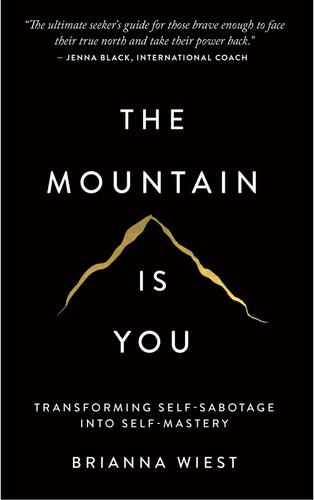
TL;DR: The Mountain Is You: Transforming Self-Sabotage Into Self-Mastery by Brianna Wiest argues that the biggest obstacle in your life is often your own patterns of self-sabotage, which come from unmet needs and unprocessed pain. By understanding why you sabotage yourself, building emotional awareness and practicing self-mastery, you can turn the mountain in your way into the path of growth.
Many of us know exactly what we should do and still don’t do it. We procrastinate, push away good people or stay in situations that hurt. The Mountain Is You, published in 2020 by writer Brianna Wiest, explores why we do this. The book became a major seller on social media, where readers share its quotes and say it helped them understand their patterns. Wiest writes in a reflective, direct style, and the book mixes psychology with personal growth advice. Here’s a summary of its main ideas.
Table of Contents
The Mountain Is You at a Glance
| Detail | Info |
|---|---|
| Author | Brianna Wiest |
| Published | 2020 |
| Genre | Self-help, personal growth |
| Core idea | Self-sabotage is a coping pattern that can be understood and transformed |
| Structure | Chapters on self-sabotage, emotions, the subconscious and growth |
| Best for | Readers who feel stuck and want to understand their patterns |
What Is The Mountain Is You About?
Wiest begins with the idea that the mountain you are trying to climb is really yourself. The things that block you, like fear, avoidance, self-doubt or habits, are not random but come from deeper needs. Self-sabotage, she says, is often an attempt to protect yourself or to meet a need, even if it works against you.
She argues that growth isn’t about forcing yourself to change through willpower, but about understanding what your behavior is doing for you and finding healthier ways to meet that need.
Key Ideas, Part by Part
Why We Self-Sabotage
Wiest explains that self-sabotage often begins as a coping mechanism. If something feels unsafe or unfamiliar, even something positive such as success or love, the mind may steer us back to what is familiar. For example, someone who grew up in chaos may feel uneasy in calm and unconsciously create drama.
She also discusses comfort zones and the way we confuse what feels familiar with what is good for us. Recognizing this tendency is the first step to change.
Emotions, the Subconscious and Healing
The book describes how unprocessed emotions and beliefs stored in the subconscious shape behavior. Wiest suggests becoming aware of your triggers, naming your emotions and sitting with discomfort instead of running from it. She argues that emotional maturity involves taking responsibility for your reactions and not blaming others for how you feel.
She also stresses that healing takes time and that setbacks are normal. She encourages readers to be patient with themselves, and notes that some issues, such as trauma, may require professional support. If you are struggling, a therapist can offer structured help.
Rebuilding Your Identity and Habits
Another theme is that change involves a shift in identity. To reach new goals, you may need to let go of old versions of yourself and the people, habits and environments that support them. Wiest suggests acting as the person you want to become, even before you feel ready, and noticing the discomfort that arises.
She also writes about consistency. Small, repeated actions build self-trust, and self-trust is the foundation for confidence. She advises setting realistic goals and celebrating progress.
Mastery and Meaning
In the later chapters, Wiest argues that the ultimate aim is self-mastery, the ability to manage your thoughts, emotions and actions in line with your values. She encourages readers to see challenges as feedback, to develop discipline and to find meaning in their struggles.
The book closes with the message that the mountain is not an enemy. Facing it makes you stronger, and what you build in the process becomes the life you want.
6 Key Takeaways From The Mountain Is You
- Self-sabotage serves a purpose. It is often a protective coping pattern.
- Awareness comes first. You can’t change what you can’t see.
- Face your emotions. Avoiding discomfort keeps you stuck.
- Identity shifts with growth. Let go of old versions of yourself.
- Build self-trust. Keep small promises to yourself.
- Seek help when needed. Professional support can speed healing.
Ideas Worth Remembering
- What you resist persists. (paraphrased)
- Comfort is not the same as safety or happiness. (paraphrased)
- Growth is uncomfortable before it feels natural. (paraphrased)
- You are capable of rebuilding your patterns. (paraphrased)
How to Apply The Mountain Is You in Real Life
- Name your pattern. Write down one way you sabotage yourself and what it protects you from.
- Track your triggers. Note when the urge arises and what you were feeling.
- Practice small promises. Keep a tiny commitment each day.
- Sit with the feeling. Pause for a few breaths before reacting.
- Reach out. Talk to a friend or professional about what you find.
Criticisms and Limits
Critics say that the book offers general reflections more than step-by-step methods, and that some claims about the subconscious are not backed by detailed research. Its emphasis on personal responsibility may feel heavy to those whose struggles are shaped by circumstances such as poverty, illness or discrimination. The style can be repetitive, and readers who want clear exercises may be left wanting more.
As a thoughtful introduction to self-sabotage and self-awareness, it remains valuable. Read it with compassion, and balance it with practical tools and professional support if needed.
The Mountain Is You in One Minute
Self-sabotage is a coping pattern, not a character flaw. Understand what need it serves, notice your triggers and sit with uncomfortable feelings. Growth involves shifting your identity, building self-trust through small promises and being patient with setbacks. Seek professional help for deep wounds. The mountain you face is the path to who you want to be.
A Short Self-Sabotage Journal Exercise
Set aside ten minutes and answer: What am I avoiding? What am I afraid will happen if I succeed or change? What do I get from my current pattern, such as safety, attention or comfort? What small step could I take that feels manageable? Repeat the exercise weekly. Over time, the answers can reveal how your patterns work and where to experiment with change.
How It Relates to Therapy
The book draws on ideas that overlap with cognitive-behavioral and attachment-based therapy, such as noticing triggers and understanding early patterns, but it isn’t a substitute for treatment. Therapy provides a safe setting to explore pain, and a therapist can tailor strategies to your situation. Think of the book as a companion that gives language and encouragement. In the US, you can call or text 988 if you are in crisis.
Why the Book Spread Online
Wiest’s short, quotable lines made the book a hit on social media, where readers share passages about boundaries, healing and growth. This popularity has a downside, since short quotes can lose their context. Reading the whole book gives a fuller picture of the process, including the reminders that change is gradual and that support matters.
Signs You May Be Sabotaging Yourself
Patterns can include procrastinating on goals you care about, picking fights when things are going well, avoiding opportunities that feel risky or staying busy to dodge hard feelings. You may also notice perfectionism, constant comparison or giving up just before a finish line. None of these makes you broken. They are clues that part of you is trying to stay safe. Noticing them without judgment is the first step toward trying a different response.
A Gentle Plan for the Next Month
In week one, observe and write down moments you sabotage yourself. In week two, name the feeling behind each moment. In week three, pick one small replacement action, like taking a short walk instead of scrolling when anxious. In week four, review progress and talk with someone you trust. Keep goals small and kind. If you hit a wall, consider speaking with a counselor, who can help you explore deeper roots.
Who Should Read The Mountain Is You?
Read it if you often feel stuck, notice repeating patterns in work or relationships or enjoy reflective self-help. It’s accessible and encouraging. If you want something more tactical, add Atomic Habits.
What to Read Next
- Atomic Habits by James Clear practical steps for changing behavior
- The Gifts of Imperfection by Brene Brown letting go of who you think you should be
- Untamed by Glennon Doyle a memoir about listening to your inner knowing
Related: The Subtle Art of Not Giving a F*ck summary and key takeaways and The Courage to Be Disliked summary and key takeaways.
Frequently Asked Questions
What is the main idea of The Mountain Is You?
That self-sabotage is a coping pattern, and that understanding and healing it turns your obstacles into growth.
Why do people self-sabotage?
Often to protect themselves, avoid discomfort or stay with what feels familiar.
Is The Mountain Is You a substitute for therapy?
No, it is a self-help book; therapy can provide personalized support.
Who is Brianna Wiest?
An American writer known for essays and books on personal growth.
What should I read after it?
Try Atomic Habits, The Gifts of Imperfection or Attached.