
Disclosure: As an Amazon Associate, Bookish Wisdom earns from qualifying purchases. This doesn't change our picks or your price.
TL;DR: In the Algerian city of Oran, rats begin dying in the streets, and soon a deadly plague spreads. The city is sealed off. Dr. Bernard Rieux and a group of volunteers fight the disease day after day, while others despair, profit or flee. When the plague ends, Rieux knows it could return.
Table of Contents
The Plague at a Glance
| Author | Albert Camus |
| First published | 1947 |
| Type | Novel |
| Best for | readers who want a thoughtful classic about how ordinary people respond to crisis |
The Plague is a novel by Albert Camus, first published in 1947. Many readers see it as an allegory of the Nazi occupation of France, and its picture of a city under quarantine took on new meaning during the COVID-19 pandemic. Below you will find a part-by-part summary, five key takeaways, ideas worth remembering and a note on who will enjoy it.
Content note: Includes illness, death and the death of a child.
Main Characters
- Dr. Bernard Rieux: A doctor who fights the plague with steady decency.
- Jean Tarrou: A visitor who organizes volunteer sanitary teams.
- Raymond Rambert: A journalist trapped in Oran, desperate to reach his wife.
- Joseph Grand: A humble clerk who spends years rewriting one sentence.
- Cottard: A criminal who thrives during the plague.
What Happens, Part by Part (Contains Spoilers)
The rats
In April, Dr. Rieux finds a dead rat on his stairs. Soon thousands of rats die across Oran, and then people begin to fall ill with fever and swellings. The authorities are slow to admit it is plague. Rieux sends his sick wife away to a sanatorium.
The city is sealed
When the plague is officially declared, Oran is closed. People are cut off from loved ones outside. Rambert, a journalist, tries to escape to his wife in Paris. Tarrou organizes volunteer teams to help the sick, and the clerk Grand helps with statistics.
The long summer
The plague peaks in summer. People grow numb and exhausted. The death of a young boy, the magistrate's son, after a painful trial of a new serum shakes everyone. Rambert decides to stay and help, saying it would be shameful to be happy alone.
Tarrou's story
Tarrou tells Rieux that he left home after seeing his father, a prosecutor, demand a death sentence. He has decided never to side with those who kill. The two men swim together in the sea, a rare moment of friendship and peace.
The ending
In winter, the plague retreats. Just as the gates are about to open, Tarrou dies of the disease. Rieux learns that his wife has died too. As the city celebrates, Rieux reveals he is the narrator and writes that the plague never truly dies and may return one day.
5 Key Takeaways
- Decency means doing your duty, even without hope of victory.
- Crises reveal the best and worst in people.
- Solidarity matters more than individual happiness.
- Suffering has no built-in meaning, but our response does.
- Danger can return if we forget.
Ideas Worth Remembering
These are paraphrased, not direct quotes:
- The only way to fight a plague is with decency.
- There are more things to admire in people than to despise.
- Being happy alone can be a kind of shame.
Who Should Read The Plague?
Read The Plague if you want a thoughtful novel about crisis, community and moral choice. It suits older teens and adults.
Questions to Think About After Reading
These prompts work for solo reading, a book club or a classroom discussion of The Plague:
- Why does Rambert decide to stay?
- What is the plague an allegory for?
- Is Rieux a hero?
How to Use This Summary
Use this page as a quick reference before a book club meeting, an exam, or a decision about whether The Plague is worth your time. The takeaways are written to stand on their own. If a point interests you, go back to the book for the author's full story, characters and style, which no short summary can replace.
A Note on Accuracy and Spoilers
This summary is based on the published text of The Plague, not on any film, series or stage adaptation, which often change the story. Details are kept at the level of the main events so that nothing is invented. Editions differ slightly in length and wording, so page numbers and small details may vary between copies.
Should You Read the Book?
If the summary caught your interest, read the opening chapters before you decide. A summary tells you what happens, but the voice and pacing are what make a book work or not.
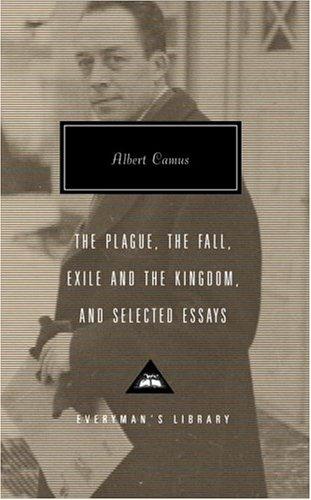
Check price of The Plague on Amazon
What to Read Next
- The Stranger by Albert Camus: Camus's novel of the absurd
- Blindness by José Saramago: a city struck by an epidemic of blindness
- Station Eleven by Emily St. John Mandel: a modern pandemic novel
Related: 15 Books Like The Plague You’ll Love · The Stranger by Albert Camus: Summary and Key Takeaways
Frequently Asked Questions
What is The Plague about?
A deadly plague sweeps through Oran, and residents respond with fear and courage.
Is The Plague an allegory?
Many read it as an allegory of the Nazi occupation.
Who narrates The Plague?
Dr. Rieux, who reveals himself at the end.
Where is Oran?
A port city in Algeria.
Does Tarrou survive?
No. He dies just as the plague ends.
Did sales rise during COVID?
Yes. Many readers turned to it in 2020.
How long is it?
About 300 pages.
Is it hard to read?
It is slow and reflective but clear.
Is The Plague worth reading?
It depends on what you want. The book is best for readers who want a thoughtful classic about how ordinary people respond to crisis. If that describes you, it is likely a good fit. If not, the titles under What to Read Next may suit you better.