
Disclosure: As an Amazon Associate, Bookish Wisdom earns from qualifying purchases. This doesn’t change our picks or your price.
TL;DR: In The War of Art, novelist Steven Pressfield names the force that stops us from doing our most important work: Resistance, the inner voice behind procrastination, self-doubt and distraction. His solution is to “turn pro”: show up every day, do the work regardless of mood and treat your creative calling with professional discipline.
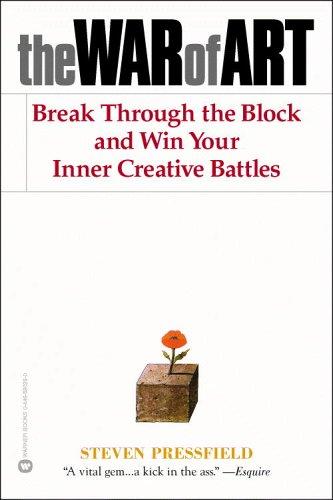
Steven Pressfield struggled for years before his breakthrough, working odd jobs while trying to write. He went on to author The Legend of Bagger Vance and the historical novel Gates of Fire. Published in 2002, The War of Art: Break Through the Blocks and Win Your Inner Creative Battles distills what he learned about the daily fight to create. Its short, punchy chapters make it a favorite of writers, artists, entrepreneurs and athletes. Here’s a complete summary of its three sections and key lessons.
Table of Contents
The War of Art at a Glance
| Detail | Info |
|---|---|
| Author | Steven Pressfield |
| Published | 2002 |
| Genre | Creativity / self-help |
| Structure | Three books: Resistance, Combating Resistance (Turning Pro), Beyond Resistance |
| Best for | Writers, artists, entrepreneurs and chronic procrastinators |
What Is The War of Art About?
Pressfield argues that whenever we try to do something meaningful, like writing a book, starting a business, getting fit or pursuing any long-term goal, an invisible force pushes back. He calls it Resistance. It shows up as procrastination, excuses, fear, distraction and even drama in our lives. The book explains how Resistance works, how professionals defeat it and where creative inspiration comes from.
Key Ideas, Part by Part
Book One: Resistance
Pressfield describes Resistance as universal, relentless and internal. It’s strongest when the work matters most, which means the amount of Resistance you feel can be a sign of how important a project is to you. It disguises itself through procrastination (“I’ll start tomorrow”), rationalization, self-medication, perfectionism and constant busyness. Recognizing these patterns is the first step to beating them.
Book Two: Combating Resistance (Turning Pro)
The answer to Resistance is to act like a professional. Amateurs work when they feel inspired; professionals show up every day no matter how they feel. Pros commit for the long haul, are patient, accept that fear never fully disappears, don’t take failure or criticism personally and master their craft. Pressfield emphasizes that discipline creates the conditions for inspiration to arrive.
Book Three: Beyond Resistance
The final section explores where creative ideas seem to come from. Pressfield describes inspiration as something that shows up once we commit to the work, using the ancient idea of the Muse as a metaphor. He also distinguishes between working for status in a “hierarchy” and working from a sense of “territory,” the work itself, which sustains us regardless of outside approval.
5 Key Takeaways From The War of Art
- Name the enemy. Procrastination and self-doubt are forms of Resistance, not personal flaws.
- Resistance points to what matters. The more you resist something, the more important it may be.
- Turn pro. Show up every day, regardless of mood or motivation.
- Do the work for its own sake. Focus on your craft, not on praise or results.
- Start now. Resistance thrives on delay; the simplest defense is beginning.
Ideas Worth Remembering
- The hardest part of any creative work is sitting down to start. (paraphrased)
- Amateurs wait for inspiration; professionals show up and get to work. (paraphrased)
- The fear you feel about your work is often proportional to how much it matters. (paraphrased)
Who Should Read The War of Art?
This book is a must-read for writers and artists, and it’s just as useful for entrepreneurs, students and anyone with a goal they keep putting off. It’s short enough to read in an afternoon and powerful enough to reread whenever motivation fades. Readers who prefer purely practical, secular advice may find Book Three’s discussion of inspiration more philosophical, but the core lessons in Books One and Two apply to everyone.
What to Read Next
- Turning Pro by Steven Pressfield, a follow-up on making the leap to professional habits.
- Steal Like an Artist by Austin Kleon for practical creative principles.
- Big Magic by Elizabeth Gilbert for a gentler take on creative fear.
Related: Steal Like an Artist summary and how to write a book in 7 days.
Frequently Asked Questions
What is Resistance in The War of Art?
Resistance is Steven Pressfield’s name for the internal force that stops us from doing meaningful work. It shows up as procrastination, fear, self-doubt, distraction and excuses.
What does turning pro mean?
Turning pro means committing to your work like a professional: showing up daily, working regardless of mood, being patient and not depending on inspiration or outside approval.
Who should read The War of Art?
Writers, artists, entrepreneurs and anyone struggling with procrastination will benefit. It’s short, motivating and easy to reread.