
Disclosure: As an Amazon Associate, Bookish Wisdom earns from qualifying purchases. This doesn’t change our picks or your price.
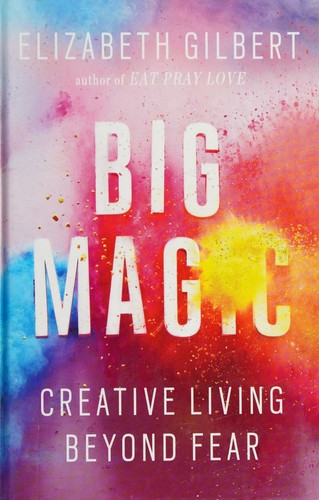
TL;DR: In Big Magic: Creative Living Beyond Fear, Elizabeth Gilbert, author of Eat, Pray, Love, encourages everyone to live a more creative life. She argues that fear will always come along for the ride but shouldn’t drive. Make things because you love them, don’t demand that creativity pay your bills, and treat ideas with curiosity and playfulness rather than pressure.
Elizabeth Gilbert wrote Big Magic in 2015 after years of conversations about creativity, fear and the pressure that followed the enormous success of Eat, Pray, Love. Unlike books that focus on discipline and productivity, Big Magic is warm, encouraging and full of personal stories. Gilbert defines creative living broadly: it’s not just about art, but about living a life driven more by curiosity than by fear. Here’s a complete summary of the book’s six sections and key ideas.
Table of Contents
Big Magic at a Glance
| Detail | Info |
|---|---|
| Author | Elizabeth Gilbert |
| Published | 2015 |
| Genre | Creativity / self-help |
| Structure | Six sections: Courage, Enchantment, Permission, Persistence, Trust and Divinity |
| Best for | Aspiring writers and artists, hobbyists and anyone afraid to start a creative project |
What Is Big Magic About?
Gilbert believes that everyone has creative treasures within them, and that bringing them out is one of the most rewarding things a person can do. The biggest obstacle is fear: fear of failure, judgment, rejection or not being original. The book offers a gentle, playful philosophy of creativity designed to help readers move past fear and enjoy making things.
Key Ideas, Section by Section
Courage
Fear is natural and even useful for survival, but it’s not helpful in creative work. Gilbert describes writing a letter to her fear: it’s allowed to come along on the road trip, but it doesn’t get to choose the destination or drive the car.
Enchantment
Gilbert imagines ideas as living things looking for a human partner to bring them into the world. If you don’t act on an idea, it may move on to someone else. She shares a story about a novel idea she abandoned that seemed to find its way to her friend, the novelist Ann Patchett. Whether you take this literally or not, it encourages treating inspiration with curiosity and respect.
Permission
You don’t need anyone’s approval, a degree or credentials to create. Your work doesn’t have to be completely original or world-changing; it only needs to be authentic to you.
Persistence
Creative life involves rejection, boredom and frustration. Gilbert recommends keeping a day job if needed so that your creativity isn’t burdened with paying all the bills, and showing up consistently regardless of results.
Trust
Choose to see your creativity as a loving companion, not a tormentor. Gilbert rejects the myth of the suffering artist and encourages approaching your work with lightness, curiosity and fun. She also advocates finishing projects even if they aren’t perfect, because done is better than perfect.
Divinity
The final section reflects on the sense of mystery many people feel in creative work: the moments when ideas seem to arrive from somewhere beyond us. Gilbert encourages readers to approach creativity with a sense of wonder, while keeping their ego and expectations in check.
5 Key Takeaways From Big Magic
- Let fear come, but don’t let it drive. Acknowledge it and create anyway.
- Follow your curiosity. If passion feels too big, start with what interests you.
- You don’t need permission. Anyone can live a creative life.
- Protect your creativity from money pressure. A day job can give your art freedom.
- Finish your work. Perfectionism is often fear in disguise.
Ideas Worth Remembering
- Fear can come with you on the journey, but it doesn’t get to make the decisions. (paraphrased)
- When passion feels out of reach, follow your curiosity instead. (paraphrased)
- Creativity is a gift to the creator first, not just to the audience. (paraphrased)
Who Should Read Big Magic?
It’s perfect for anyone who has always wanted to write, paint, make music or start a creative hobby but felt held back by fear or self-doubt. It’s also comforting for working creatives dealing with pressure and burnout. Readers who prefer strictly practical, evidence-based advice may find Gilbert’s more mystical ideas about inspiration less useful, but her advice on fear and persistence is widely praised.
What to Read Next
- The War of Art by Steven Pressfield for a tougher, discipline-focused take on creative blocks.
- Steal Like an Artist by Austin Kleon for practical, illustrated creative principles.
- Bird by Bird by Anne Lamott, a beloved guide to writing and life.
Related: The War of Art summary and best books on the art of storytelling.
Frequently Asked Questions
What is the main message of Big Magic?
The main message is that everyone can live a creative life, and that fear shouldn’t stop you. Create because you enjoy it, follow your curiosity and let go of perfectionism and pressure.
What are the six sections of Big Magic?
Big Magic is divided into Courage, Enchantment, Permission, Persistence, Trust and Divinity.
Is Big Magic only for artists?
No. Gilbert defines creative living broadly as a life driven more by curiosity than fear, so the book applies to hobbies, careers and everyday life, not just art.