
Disclosure: As an Amazon Associate, Bookish Wisdom earns from qualifying purchases. This doesn’t change our picks or your price.
TL;DR: In Why We Sleep, neuroscientist Matthew Walker argues that sleep is the single most effective thing we can do to reset our brain and body each day. Regularly getting less than seven hours affects memory, mood, immunity and long-term health. He explains how sleep works, why we dream and how to sleep better.
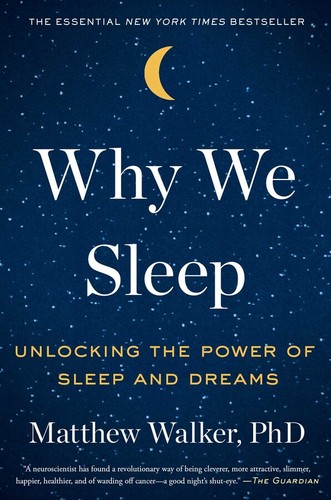
Matthew Walker, a professor of neuroscience and psychology at the University of California, Berkeley, wrote Why We Sleep: Unlocking the Power of Sleep and Dreams in 2017 to sound an alarm about what he calls a sleep-loss epidemic. The book became an international bestseller and changed how many people think about rest. It’s packed with research on learning, emotions, health and dreaming, plus practical advice. Here’s a complete summary of the book’s four parts and key lessons.
Note: This summary is for general information and isn’t medical advice. If you have ongoing sleep problems, talk to a doctor.
Table of Contents
Why We Sleep at a Glance
| Detail | Info |
|---|---|
| Author | Matthew Walker, PhD, UC Berkeley neuroscientist |
| Published | 2017 |
| Genre | Science / health |
| Structure | Four parts, plus 12 tips for healthy sleep |
| Best for | Anyone who sleeps poorly, students, parents, shift workers and night owls |
What Is Why We Sleep About?
Walker explains what happens in the brain and body during sleep, what goes wrong when we don’t get enough, and why dreams matter. He argues that modern life, with artificial light, caffeine, alcohol, screens and long working hours, has made chronic sleep deprivation normal, with serious consequences for individuals and society.
Key Ideas, Part by Part
Part One: This Thing Called Sleep
Two main forces control when we sleep: our circadian rhythm, a roughly 24-hour internal clock, and “sleep pressure,” driven by a chemical called adenosine that builds up the longer we’re awake. Caffeine works by blocking adenosine receptors, which is why it keeps us alert and can disrupt sleep for hours. Walker also explains the cycles of NREM (non-rapid eye movement) and REM (rapid eye movement) sleep throughout the night.
Part Two: Why Should You Sleep?
Sleep helps the brain prepare to learn and then lock in new memories. Lack of sleep is linked to weaker immunity, weight gain, mood problems and higher risk of serious health conditions. Walker also highlights the dangers of drowsy driving.
Part Three: How and Why We Dream
REM sleep, when most vivid dreaming happens, appears to help us process emotions, like a kind of overnight therapy, and supports creativity by connecting ideas in new ways.
Part Four: From Sleeping Pills to Society Transformed
Walker argues that many sleeping pills produce sedation rather than natural sleep and recommends cognitive behavioral therapy for insomnia (CBT-I) as a first-line treatment. He calls for later school start times for teenagers, better workplace attitudes toward sleep and changes in healthcare.
5 Key Takeaways From Why We Sleep
- Aim for seven to nine hours. Most adults need this much to function at their best.
- Keep a regular schedule. Going to bed and waking at the same time, even on weekends, is one of Walker’s top tips.
- Watch the caffeine and alcohol. Caffeine can linger for hours, and alcohol disrupts sleep quality.
- Cool, dark and screen-free. A cool, dark bedroom and less evening screen time help you fall asleep.
- Sleep supports learning. Sleep before learning prepares the brain; sleep after helps memories stick.
Ideas Worth Remembering
- Sleep is not a luxury or a sign of laziness; it’s a biological necessity. (paraphrased)
- Dreaming may help soften the emotional edges of difficult experiences. (paraphrased)
- Short sleep has a cost, even when you don’t feel tired. (paraphrased)
What Do Critics Say?
The book has been widely praised for raising awareness about sleep, but some researchers and writers have criticized it for overstating certain statistics and presenting some findings with more certainty than the evidence supports. Its core message, that sleep matters a lot for health, is well supported, but specific numbers should be read with some caution.
Who Should Read Why We Sleep?
It’s ideal for anyone who struggles with sleep, students cramming late, parents of teenagers, and professionals who pride themselves on getting by with little sleep. Readers who prefer short, practical advice can jump to the 12 tips at the end.
What to Read Next
- The Sleep Revolution by Arianna Huffington on sleep and success.
- Dopamine Nation by Anna Lembke on balance in an age of overstimulation.
- Outlive by Peter Attia on long-term health and longevity.
Related: Dopamine Nation summary and Stolen Focus summary.
Frequently Asked Questions
How much sleep does Matthew Walker recommend?
Walker recommends that most adults get seven to nine hours of sleep per night, and he warns that regularly getting less than seven hours has measurable effects on health and performance.
What does caffeine do to sleep according to Why We Sleep?
Caffeine blocks adenosine, the chemical that builds sleep pressure, which makes you feel alert. Because it can stay in your system for many hours, an afternoon coffee can still affect sleep at night.
Is Why We Sleep accurate?
Its main message about the importance of sleep is widely accepted, but some critics say the book overstates certain statistics. It’s best read as an engaging introduction rather than a definitive scientific review.