
Disclosure: As an Amazon Associate, Bookish Wisdom earns from qualifying purchases. This doesn't change our picks or your price.
Spoiler warning: this analysis discusses the whole book, including the ending of A Monster Calls.
Quick answer: The main themes in A Monster Calls by Patrick Ness are grief and anticipatory loss, truth and denial, anger and destruction, the complexity of people and isolation. Each is explained below with what it means, how it develops in the story and questions you can use for study or discussion.
Quick facts
- Book: A Monster Calls by Patrick Ness
- First published: 2011
- Main themes: grief and anticipatory loss, truth and denial, anger and destruction, the complexity of people and isolation
Table of Contents
About A Monster Calls
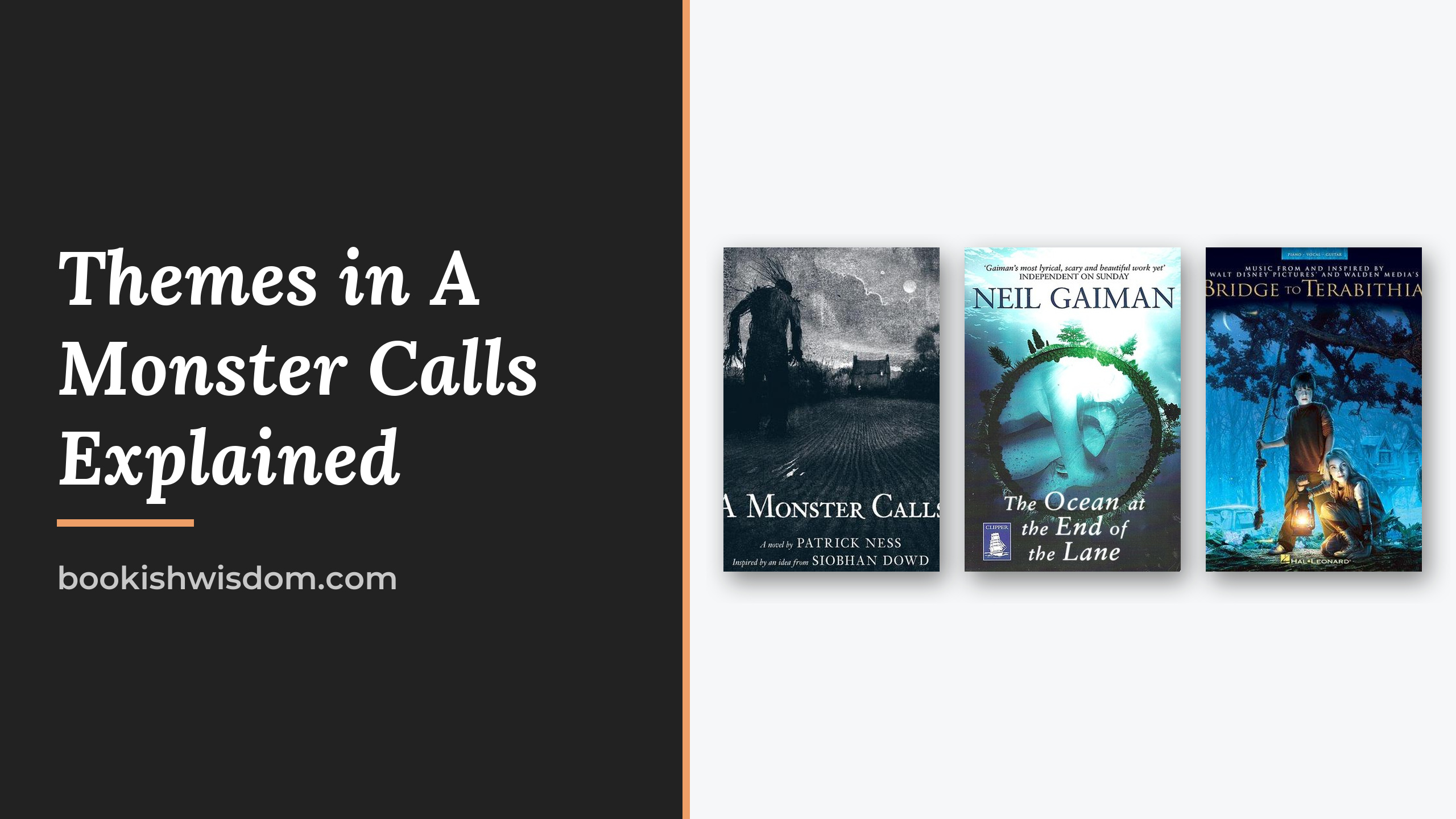
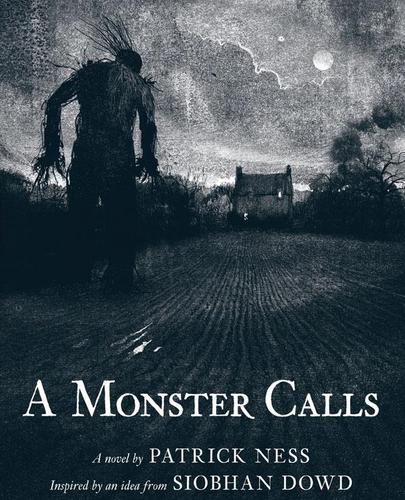
Thirteen-year-old Conor O'Malley's mother is seriously ill with cancer, his father has moved to America with a new family, his strict grandmother wants him to live with her, and at school he is bullied by Harry and pitied by everyone else. Every night he has the same terrible nightmare. Then, at seven minutes past midnight, the ancient yew tree on the hill behind his house walks to his window as a monster. It tells Conor it will tell him three stories, and then Conor must tell it a fourth: the truth behind his nightmare. As his mother's treatments fail, the monster's strange stories force Conor to face what he is most afraid to admit.
Check price of A Monster Calls on Amazon
The Main Themes in A Monster Calls
1. Grief and anticipatory loss
Conor is losing his mother slowly, and he is angry, frightened and exhausted. Ness shows the messy, painful feelings of grieving someone who is still alive.
Question to consider: Where in A Monster Calls does grief and anticipatory loss matter most to the characters, and what does Patrick Ness want readers to think about it?
2. Truth and denial
Conor clings to hope that his mother will recover, but deep down he knows she won't. The monster pushes him to speak the truth he has hidden even from himself.
Question to consider: Where in A Monster Calls does truth and denial matter most to the characters, and what does Patrick Ness want readers to think about it?
3. Anger and destruction
Conor's anger bursts out when he destroys his grandmother's sitting room and attacks Harry. The book shows anger as a natural part of grief.
Question to consider: Where in A Monster Calls does anger and destruction matter most to the characters, and what does Patrick Ness want readers to think about it?
4. The complexity of people
The monster's stories show that people are not simply good or bad. A prince can be a murderer, and a healer can be selfish.
Question to consider: Where in A Monster Calls does the complexity of people matter most to the characters, and what does Patrick Ness want readers to think about it?
5. Isolation
Conor wants to be punished and noticed, but everyone treats him as invisible or fragile. The book captures the loneliness of grief.
Question to consider: Where in A Monster Calls does isolation matter most to the characters, and what does Patrick Ness want readers to think about it?
Symbols and Motifs
- The yew tree. The monster, made from a yew tree used for medicine, represents both healing and harsh truth.
- The nightmare. The recurring nightmare represents Conor's hidden feelings and guilt.
- The grandmother's clock. The clock Conor smashes represents time running out and his grandmother's control.
- The monster's stories. The three tales represent the complicated truths of human nature.
How the Themes Connect
The themes connect through Conor's journey from denial to acceptance. Anger, isolation and the monster's stories help him admit the truth and finally let his mother go. A Monster Calls was based on an idea by the author Siobhan Dowd, who died of cancer before she could write it, and Patrick Ness finished the story in her honor.
How to Write About the Themes of A Monster Calls
If you are writing an essay or preparing for class, these steps help:
- Pick one theme. A focused argument is stronger than a list of everything.
- Find evidence in the text. Point to specific scenes, characters and choices rather than general impressions.
- Explain, don't just describe. After each example, say what it shows about the theme.
- Connect to the ending. Ask how the final chapters resolve or complicate the theme.
- Consider other readings. A fair essay acknowledges that readers can disagree.
Discussion Questions
- Which of the themes above feels most relevant to your own life, and why?
- Do the characters in A Monster Calls handle grief and anticipatory loss well or badly?
- How does the title relate to the themes of the book?
- Would the story change if it were set in a different time or place?
- What does Patrick Ness leave unresolved, and why might that be?
Books With Similar Themes
-
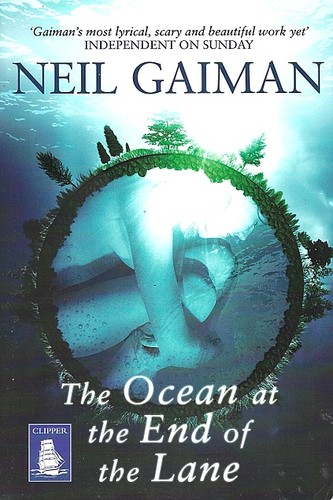
The Ocean at the End of the Lane by Neil Gaiman
-
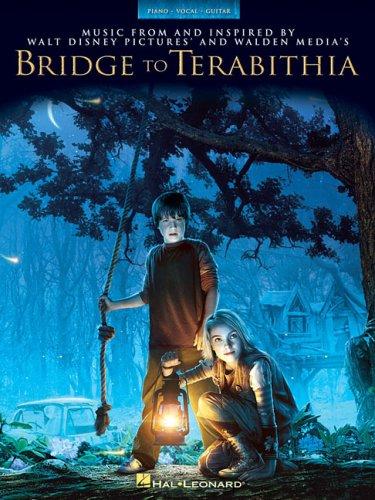
Bridge to Terabithia by Katherine Paterson
Related: What Age Is A Monster Calls Appropriate For? A Parent’s Guide · The Ocean at the End of the Lane by Neil Gaiman: Summary and Key Takeaways
Frequently Asked Questions
What is the main theme of A Monster Calls?
The central theme is grief and anticipatory loss, supported by truth and denial and anger and destruction.
How many themes does A Monster Calls have?
This guide covers 5 main themes, but readers may find others.
Who wrote A Monster Calls?
A Monster Calls was written by Patrick Ness and first published in 2011.
Is A Monster Calls a good book for studying themes?
Yes. Its themes are clear enough to follow and rich enough to support essays and group discussion.
What should I read after A Monster Calls?
Try The Ocean at the End of the Lane by Neil Gaiman or Bridge to Terabithia by Katherine Paterson.