
Disclosure: As an Amazon Associate, Bookish Wisdom earns from qualifying purchases. This doesn't change our picks or your price.
Spoiler warning: this analysis discusses the whole book, including the ending of The London Eye Mystery.
Quick answer: The main themes in The London Eye Mystery by Siobhan Dowd are difference and neurodiversity, family, logic and intuition, communication and trust. Each is explained below with what it means, how it develops in the story and questions you can use for study or discussion.
Quick facts
- Book: The London Eye Mystery by Siobhan Dowd
- First published: 2007
- Main themes: difference and neurodiversity, family, logic and intuition, communication and trust
Table of Contents
About The London Eye Mystery
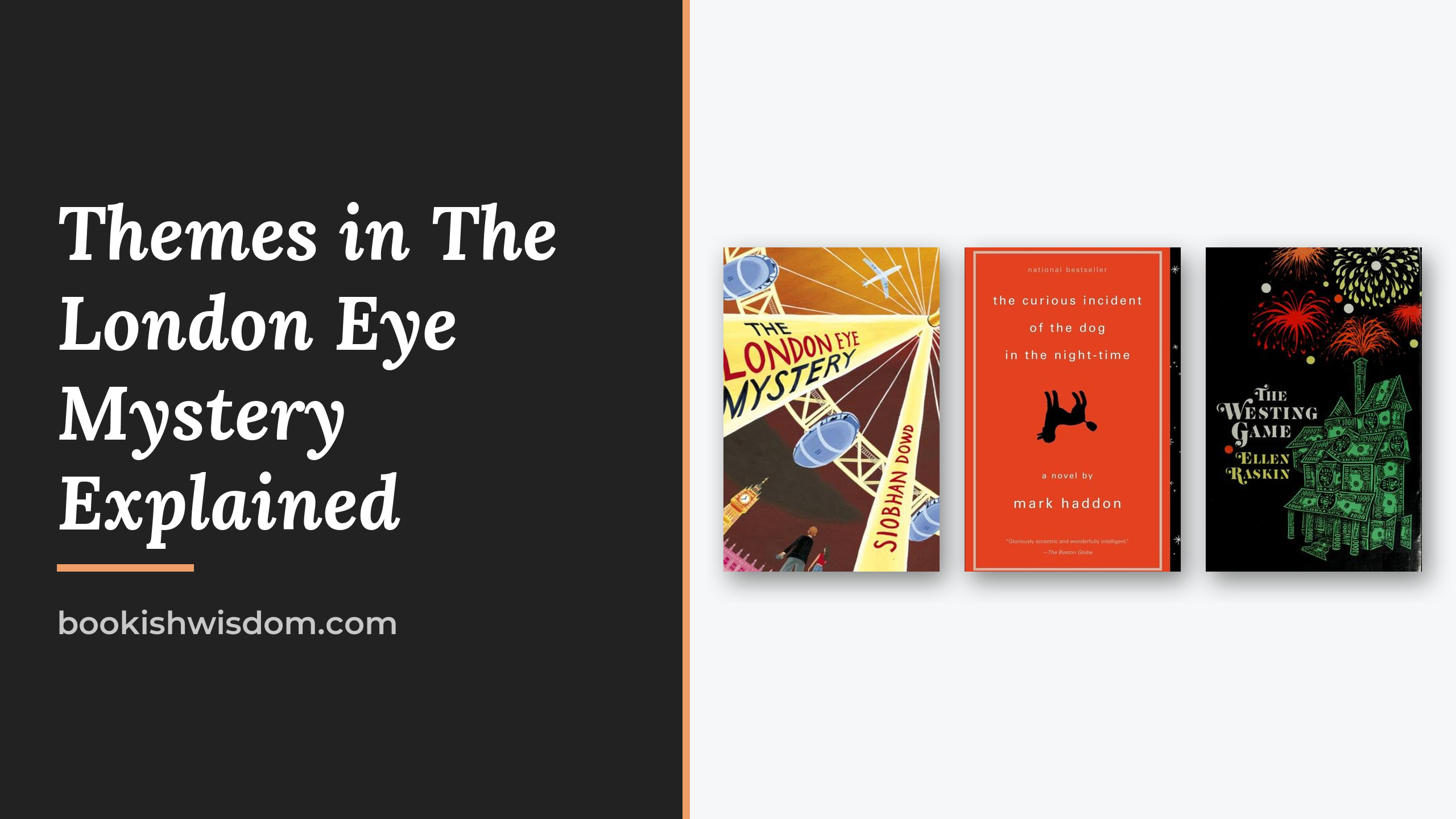
Twelve-year-old Ted Spark has a brain that runs on a different operating system, as he says. He loves weather forecasts, facts and patterns, and finds people's feelings confusing. When his cousin Salim, visiting from Manchester, gets into a pod of the London Eye and never comes out, everyone is baffled. The police and the family panic. Ted, along with his older sister Kat, sets out to solve the mystery using logic, observation and his own unique way of thinking, developing nine theories about what might have happened.
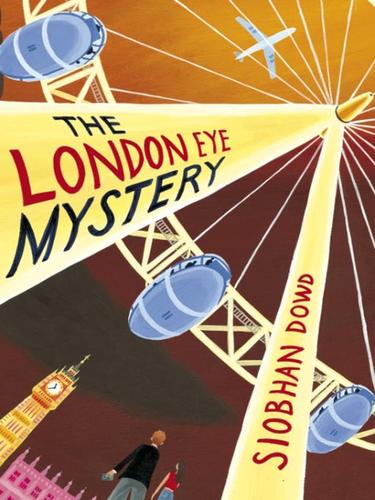
Check price of The London Eye Mystery on Amazon
The Main Themes in The London Eye Mystery
1. Difference and neurodiversity
Ted's mind works differently, and some see that as a problem. The novel shows his difference as a strength that helps solve the mystery.
Question to consider: Where in The London Eye Mystery does difference and neurodiversity matter most to the characters, and what does Siobhan Dowd want readers to think about it?
2. Family
The disappearance tests the family. Ted and Kat's relationship grows from rivalry to teamwork.
Question to consider: Where in The London Eye Mystery does family matter most to the characters, and what does Siobhan Dowd want readers to think about it?
3. Logic and intuition
Ted uses logic, while Kat uses intuition. Together they solve the case.
Question to consider: Where in The London Eye Mystery does logic and intuition matter most to the characters, and what does Siobhan Dowd want readers to think about it?
4. Communication
Ted struggles to read faces and jokes, but he learns to understand others better.
Question to consider: Where in The London Eye Mystery does communication matter most to the characters, and what does Siobhan Dowd want readers to think about it?
5. Trust
The family must trust Ted's ideas, even when they seem strange.
Question to consider: Where in The London Eye Mystery does trust matter most to the characters, and what does Siobhan Dowd want readers to think about it?
Symbols and Motifs
- The London Eye. The giant wheel represents a puzzle and the city's mysteries.
- The weather. Ted's love of weather represents his search for patterns and order.
- The nine theories. Represent his logical method.
- Salim's camera. Represents clues hidden in plain sight.
How the Themes Connect
The themes connect through Ted's unique way of solving the mystery. His difference, logic and growing understanding of family help bring Salim home. Siobhan Dowd wrote The London Eye Mystery before her death in 2007, and it won the Children's Book Award. Robin Stevens later wrote a sequel, The Guggenheim Mystery, based on Dowd's notes. Ted is often read as autistic, though the word is not used in the book, and readers appreciate his honest, funny voice.
How to Write About the Themes of The London Eye Mystery
If you are writing an essay or preparing for class, these steps help:
- Pick one theme. A focused argument is stronger than a list of everything.
- Find evidence in the text. Point to specific scenes, characters and choices rather than general impressions.
- Explain, don't just describe. After each example, say what it shows about the theme.
- Connect to the ending. Ask how the final chapters resolve or complicate the theme.
- Consider other readings. A fair essay acknowledges that readers can disagree.
Discussion Questions
- Which of the themes above feels most relevant to your own life, and why?
- Do the characters in The London Eye Mystery handle difference and neurodiversity well or badly?
- How does the title relate to the themes of the book?
- Would the story change if it were set in a different time or place?
- What does Siobhan Dowd leave unresolved, and why might that be?
Books With Similar Themes
-
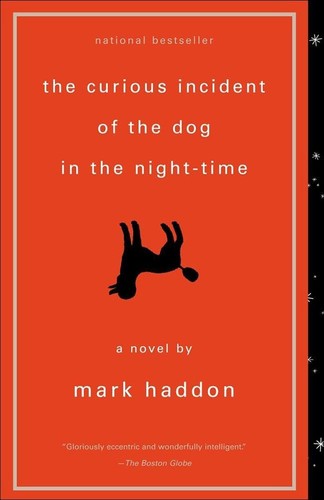
The Curious Incident of the Dog in the Night-Time by Mark Haddon
-
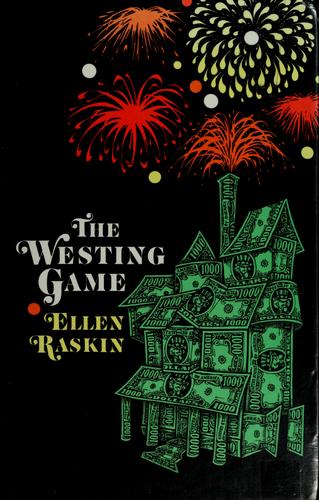
The Westing Game by Ellen Raskin
Related: The Curious Incident of the Dog in the Night-Time by Mark Haddon: Summary and Key Takeaways · The Westing Game by Ellen Raskin: Summary and Key Takeaways
Frequently Asked Questions
What is the main theme of The London Eye Mystery?
The central theme is difference and neurodiversity, supported by family and logic and intuition.
How many themes does The London Eye Mystery have?
This guide covers 5 main themes, but readers may find others.
Who wrote The London Eye Mystery?
The London Eye Mystery was written by Siobhan Dowd and first published in 2007.
Is The London Eye Mystery a good book for studying themes?
Yes. Its themes are clear enough to follow and rich enough to support essays and group discussion.
What should I read after The London Eye Mystery?
Try The Curious Incident of the Dog in the Night-Time by Mark Haddon or The Westing Game by Ellen Raskin.