
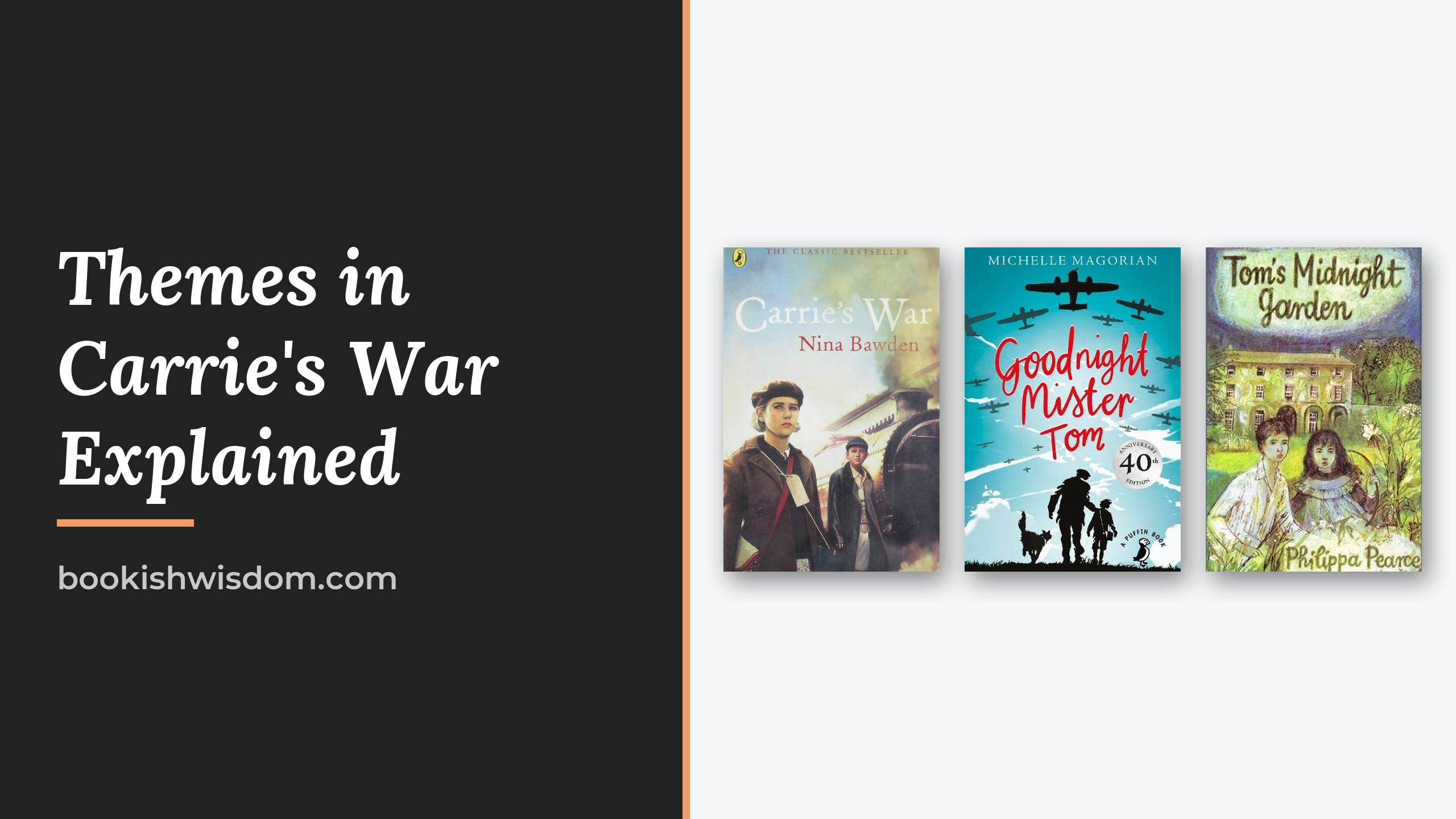
Disclosure: As an Amazon Associate, Bookish Wisdom earns from qualifying purchases. This doesn't change our picks or your price.
Spoiler warning: this analysis discusses the whole book, including the ending of Carrie's War.
Quick answer: The main themes in Carrie's War by Nina Bawden are guilt and responsibility, childhood and memory, kindness and cruelty, war and displacement and truth and storytelling. Each is explained below with what it means, how it develops in the story and questions you can use for study or discussion.
Quick facts
- Book: Carrie's War by Nina Bawden
- First published: 1973
- Main themes: guilt and responsibility, childhood and memory, kindness and cruelty, war and displacement and truth and storytelling
Table of Contents
About Carrie's War
Carrie Willow, now a widow, returns with her children to a small Welsh mining town she was evacuated to as a twelve-year-old during the Second World War. As they walk toward a burned-out ruin, she tells them the story. She and her younger brother Nick were billeted with the stern, bullying shopkeeper and town councillor Mr. Evans and his timid sister, Lou, whom he treats like a servant. Sent to fetch Christmas goose from Druid's Bottom, a farmhouse in a dark valley, they meet the warm housekeeper Hepzibah Green, the gentle Mister Johnny, who has a learning disability, and fellow evacuee Albert Sandwich. Hepzibah tells them of a cursed skull that must never leave the house. When Carrie throws the skull into the horse pond, she sees the house catch fire, and believes for thirty years that she caused it.
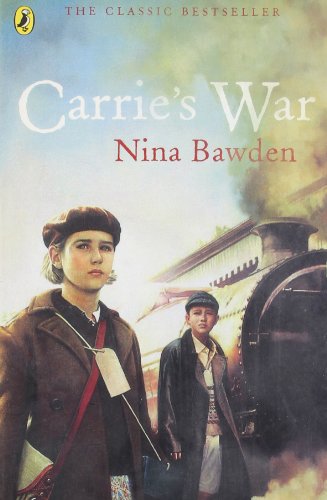
Check price of Carrie's War on Amazon
The Main Themes in Carrie's War
1. Guilt and responsibility
Carrie carries guilt for decades, convinced that throwing the skull caused the fire and harmed the people she loved. Bawden shows how a child's guilt can shape an entire life, and how the truth can finally set someone free.
Question to consider: Where in Carrie's War does guilt and responsibility matter most to the characters, and what does Nina Bawden want readers to think about it?
2. Childhood and memory
The story is told by the adult Carrie looking back. Memory blends with the child's limited understanding, so readers see both what young Carrie believed and what really happened.
Question to consider: Where in Carrie's War does childhood and memory matter most to the characters, and what does Nina Bawden want readers to think about it?
3. Kindness and cruelty
Mr. Evans is harsh and mean-spirited, while Hepzibah offers warmth and comfort. Yet Bawden also shows Mr. Evans's loneliness, so he is not a simple villain.
Question to consider: Where in Carrie's War does kindness and cruelty matter most to the characters, and what does Nina Bawden want readers to think about it?
4. War and displacement
The war separates Carrie and Nick from their mother and sends them among strangers. Their experiences show the emotional impact of evacuation.
Question to consider: Where in Carrie's War does war and displacement matter most to the characters, and what does Nina Bawden want readers to think about it?
5. Truth and storytelling
Carrie's children help uncover what really happened at Druid's Bottom. The novel shows how stories can hide or reveal the truth.
Question to consider: Where in Carrie's War does truth and storytelling matter most to the characters, and what does Nina Bawden want readers to think about it?
Symbols and Motifs
- The skull. The African skull at Druid's Bottom represents superstition and Carrie's guilt.
- Druid's Bottom. The farmhouse represents warmth, mystery and the happiness Carrie fears she destroyed.
- Mr. Evans's shop. The shop represents rules, control and fear.
- The fire. The fire represents Carrie's guilt and the end of childhood.
How the Themes Connect
The themes connect through Carrie's lifelong guilt. Memory, war and the contrast between kindness and cruelty shape her story, and the final revelation shows that the fire was not her fault. Bawden was herself evacuated to a Welsh mining village during the war, and drew on those memories. Carrie's War won the Phoenix Award in 1993 and was adapted for television in 1974 and 2004, and later for the stage.
How to Write About the Themes of Carrie's War
If you are writing an essay or preparing for class, these steps help:
- Pick one theme. A focused argument is stronger than a list of everything.
- Find evidence in the text. Point to specific scenes, characters and choices rather than general impressions.
- Explain, don't just describe. After each example, say what it shows about the theme.
- Connect to the ending. Ask how the final chapters resolve or complicate the theme.
- Consider other readings. A fair essay acknowledges that readers can disagree.
Discussion Questions
- Which of the themes above feels most relevant to your own life, and why?
- Do the characters in Carrie's War handle guilt and responsibility well or badly?
- How does the title relate to the themes of the book?
- Would the story change if it were set in a different time or place?
- What does Nina Bawden leave unresolved, and why might that be?
Books With Similar Themes
-
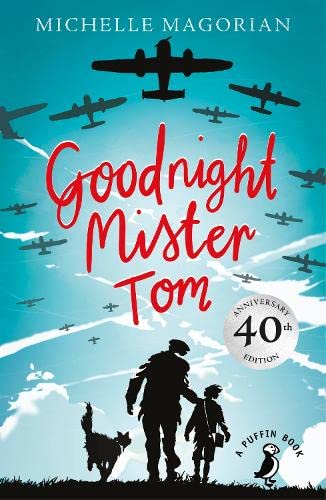
Goodnight Mister Tom by Michelle Magorian
-
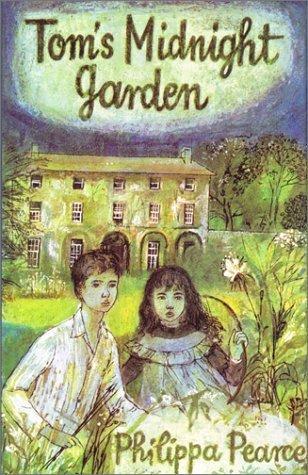
Tom's Midnight Garden by Philippa Pearce
Related: Carrie’s War Characters: A Complete Guide · Goodnight Mister Tom by Michelle Magorian: Summary and Key Takeaways
Frequently Asked Questions
What is the main theme of Carrie's War?
The central theme is guilt and responsibility, supported by childhood and memory and kindness and cruelty.
How many themes does Carrie's War have?
This guide covers 5 main themes, but readers may find others.
Who wrote Carrie's War?
Carrie's War was written by Nina Bawden and first published in 1973.
Is Carrie's War a good book for studying themes?
Yes. Its themes are clear enough to follow and rich enough to support essays and group discussion.
What should I read after Carrie's War?
Try Goodnight Mister Tom by Michelle Magorian or Tom's Midnight Garden by Philippa Pearce.