
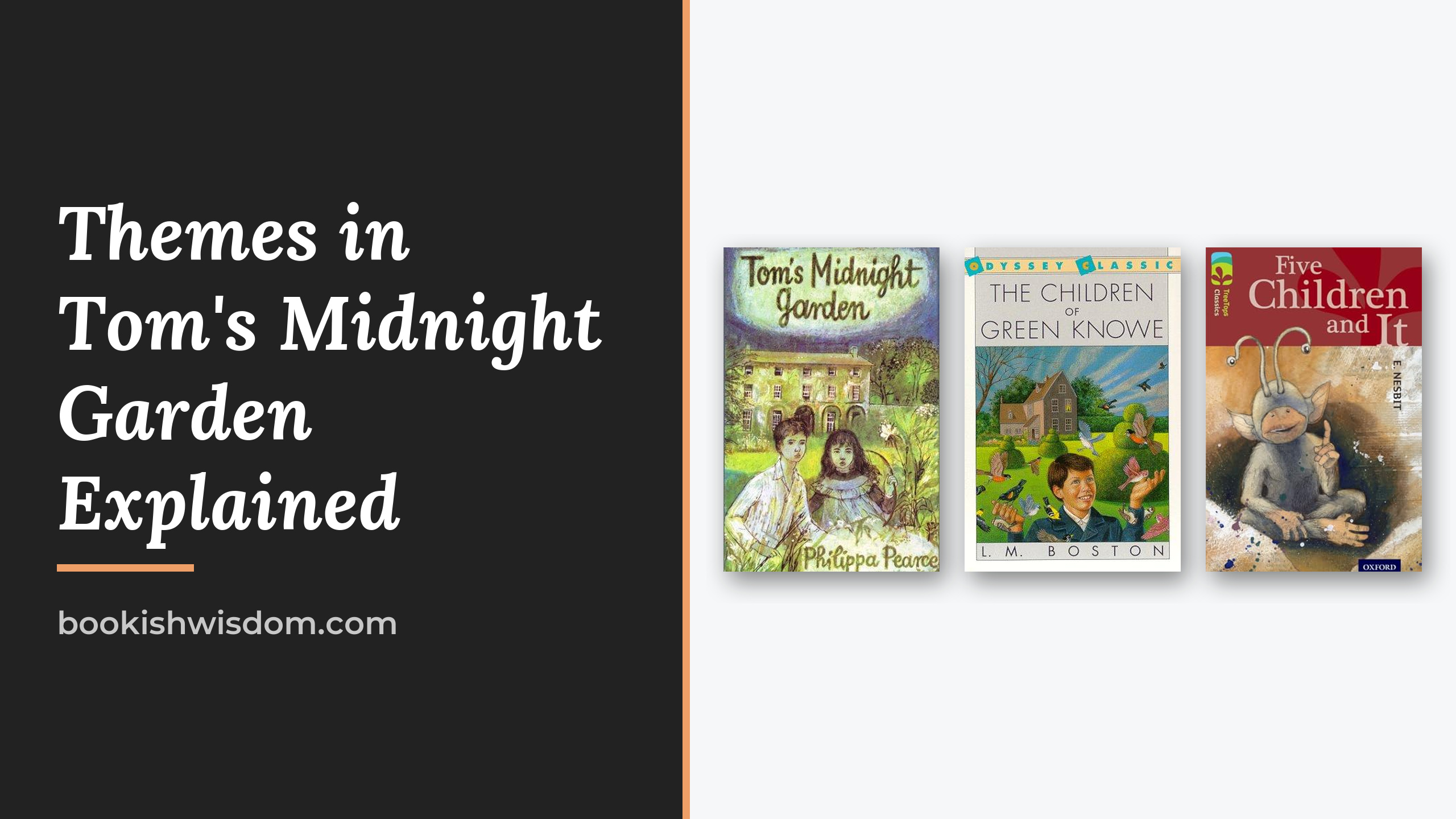
Disclosure: As an Amazon Associate, Bookish Wisdom earns from qualifying purchases. This doesn't change our picks or your price.
Spoiler warning: this analysis discusses the whole book, including the ending of Tom's Midnight Garden.
Quick answer: The main themes in Tom's Midnight Garden by Philippa Pearce are time, friendship, memory and the past, growing up and loneliness. Each is explained below with what it means, how it develops in the story and questions you can use for study or discussion.
Quick facts
- Book: Tom's Midnight Garden by Philippa Pearce
- First published: 1958
- Main themes: time, friendship, memory and the past, growing up and loneliness
Table of Contents
About Tom's Midnight Garden
Tom Long is sent away for the summer to stay with his aunt and uncle in a flat carved out of a big old house while his brother, Peter, recovers from measles. There is no garden, only a yard of dustbins, and Tom is bored and lonely. One night he hears the old grandfather clock in the hall strike thirteen. Going downstairs, he opens the back door and finds a beautiful Victorian garden, with yew trees, a greenhouse and a sundial. There he meets Hatty, a lonely orphan girl who lives with her unkind aunt. Night after night Tom returns, though Hatty seems to grow older each time, until they skate together along a frozen river to Ely. In the end Tom discovers who Hatty really is.
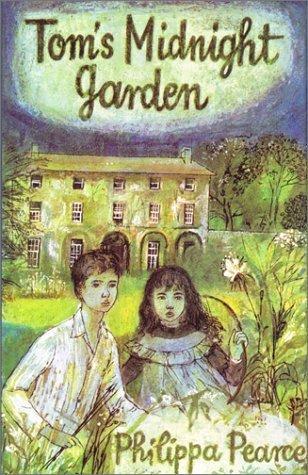
Check price of Tom's Midnight Garden on Amazon
The Main Themes in Tom's Midnight Garden
1. Time
Time behaves strangely in the garden. Hatty ages quickly between Tom's visits while Tom stays the same, and Pearce raises questions about whether time is fixed or fluid.
Question to consider: Where in Tom's Midnight Garden does time matter most to the characters, and what does Philippa Pearce want readers to think about it?
2. Friendship
Tom and Hatty are both lonely children who find comfort in each other. Their friendship crosses decades.
Question to consider: Where in Tom's Midnight Garden does friendship matter most to the characters, and what does Philippa Pearce want readers to think about it?
3. Memory and the past
The garden is a living memory, and the final scene shows how the past lives on in old people's minds.
Question to consider: Where in Tom's Midnight Garden does memory and the past matter most to the characters, and what does Philippa Pearce want readers to think about it?
4. Growing up
Hatty grows from a little girl into a young woman, and Tom must accept that she is leaving childhood behind.
Question to consider: Where in Tom's Midnight Garden does growing up matter most to the characters, and what does Philippa Pearce want readers to think about it?
5. Loneliness
Both children are isolated, and the garden becomes their shared escape.
Question to consider: Where in Tom's Midnight Garden does loneliness matter most to the characters, and what does Philippa Pearce want readers to think about it?
Symbols and Motifs
- The grandfather clock. The clock striking thirteen represents a door into another time.
- The garden. The garden represents the past, memory and childhood freedom.
- The skates. The skates Hatty hides represent a connection across time.
- The dustbins. The yard of dustbins represents the dull present Tom wants to escape.
How the Themes Connect
The themes connect through Tom and Hatty's friendship across time. Loneliness draws them together, time separates them and memory reunites them in a moving final scene. Tom's Midnight Garden won the Carnegie Medal in 1959 and is often named one of the best children's books of the twentieth century. Pearce based the garden on her childhood home, the Mill House in Great Shelford, near Cambridge. It has been adapted for radio, television, stage and a 1999 film. The ending, in which Tom meets an elderly Mrs. Bartholomew upstairs, surprises many readers and has made adults cry.
How to Write About the Themes of Tom's Midnight Garden
If you are writing an essay or preparing for class, these steps help:
- Pick one theme. A focused argument is stronger than a list of everything.
- Find evidence in the text. Point to specific scenes, characters and choices rather than general impressions.
- Explain, don't just describe. After each example, say what it shows about the theme.
- Connect to the ending. Ask how the final chapters resolve or complicate the theme.
- Consider other readings. A fair essay acknowledges that readers can disagree.
Discussion Questions
- Which of the themes above feels most relevant to your own life, and why?
- Do the characters in Tom's Midnight Garden handle time well or badly?
- How does the title relate to the themes of the book?
- Would the story change if it were set in a different time or place?
- What does Philippa Pearce leave unresolved, and why might that be?
Books With Similar Themes
-
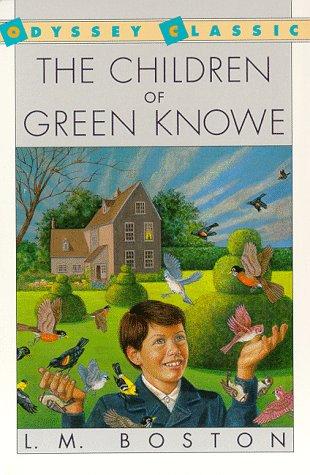
The Children of Green Knowe by Lucy M. Boston
-
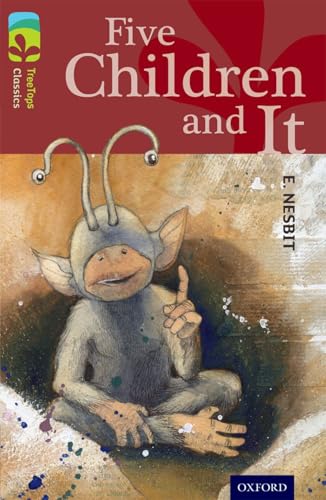
Five Children and It by E. Nesbit
Related: Tom’s Midnight Garden Characters: A Complete Guide · What Age Is Tom’s Midnight Garden Appropriate For? A Parent’s Guide
Frequently Asked Questions
What is the main theme of Tom's Midnight Garden?
The central theme is time, supported by friendship and memory and the past.
How many themes does Tom's Midnight Garden have?
This guide covers 5 main themes, but readers may find others.
Who wrote Tom's Midnight Garden?
Tom's Midnight Garden was written by Philippa Pearce and first published in 1958.
Is Tom's Midnight Garden a good book for studying themes?
Yes. Its themes are clear enough to follow and rich enough to support essays and group discussion.
What should I read after Tom's Midnight Garden?
Try The Children of Green Knowe by Lucy M. Boston or Five Children and It by E. Nesbit.