
Disclosure: As an Amazon Associate, Bookish Wisdom earns from qualifying purchases. This doesn't change our picks or your price.
Spoiler warning: this analysis discusses the whole book, including the ending of Convenience Store Woman.
Quick answer: The main themes in Convenience Store Woman by Sayaka Murata are conformity and normality, identity, work and purpose, gender expectations and belonging. Each is explained below with what it means, how it develops in the story and questions you can use for study or discussion.
Quick facts
- Book: Convenience Store Woman by Sayaka Murata
- First published: 2016
- Main themes: conformity and normality, identity, work and purpose, gender expectations and belonging
Table of Contents
About Convenience Store Woman
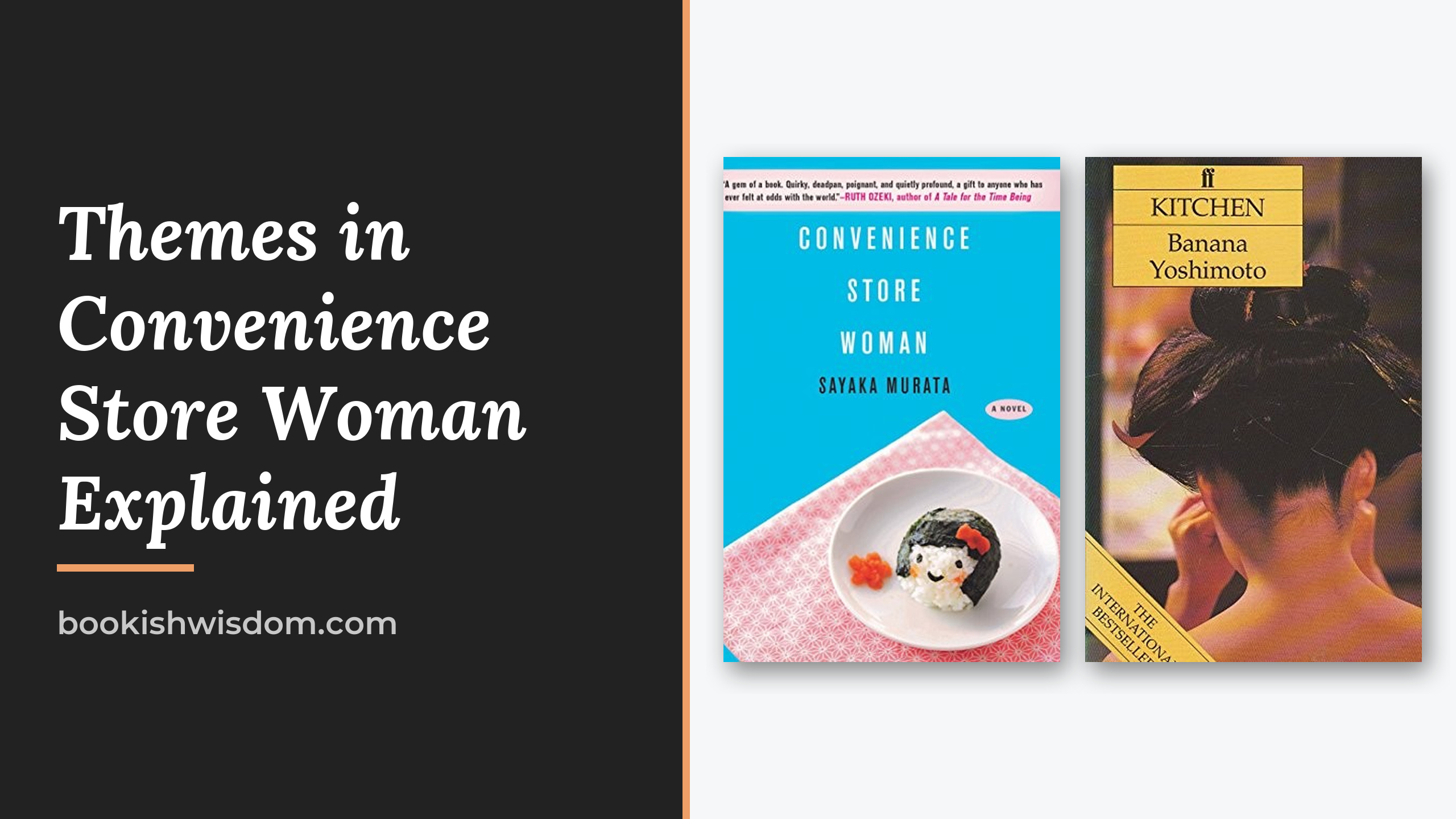
Keiko Furukura has worked part time at the same convenience store in Tokyo for eighteen years, since she was a university student. As a child, she never understood how to behave like other people, and her family worried about her. In the store, with its manual of rules, scripted greetings and constant routines, she finally feels like a normal person. Now thirty-six, she faces growing pressure from friends and family to get a proper job or marry. When a bitter, lazy new employee, Shiraha, is fired, Keiko invites him to live with her, hoping that a man in her life will stop people asking questions.
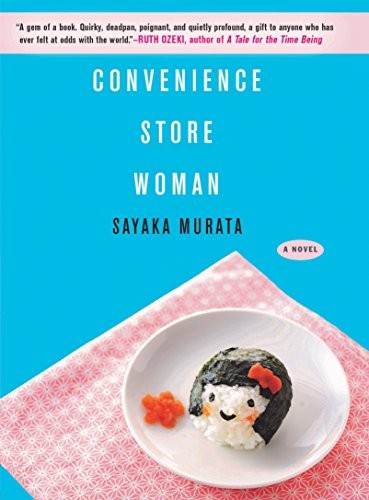
Check price of Convenience Store Woman on Amazon
The Main Themes in Convenience Store Woman
1. Conformity and normality
Society expects Keiko to follow a standard path of career, marriage and children. Murata questions what counts as normal and who gets to decide.
Question to consider: Where in Convenience Store Woman does conformity and normality matter most to the characters, and what does Sayaka Murata want readers to think about it?
2. Identity
Keiko only feels like herself in the store, where her role is clear. The novel asks whether identity can be found in work and routine.
Question to consider: Where in Convenience Store Woman does identity matter most to the characters, and what does Sayaka Murata want readers to think about it?
3. Work and purpose
For Keiko, the store gives life meaning and structure. Murata challenges the idea that only prestigious jobs are worthwhile.
Question to consider: Where in Convenience Store Woman does work and purpose matter most to the characters, and what does Sayaka Murata want readers to think about it?
4. Gender expectations
Women are expected to marry and have children. Keiko's friends and sister pity her, while Shiraha resents society's demands on men.
Question to consider: Where in Convenience Store Woman does gender expectations matter most to the characters, and what does Sayaka Murata want readers to think about it?
5. Belonging
Keiko belongs to the store more than to any group of people.
Question to consider: Where in Convenience Store Woman does belonging matter most to the characters, and what does Sayaka Murata want readers to think about it?
Symbols and Motifs
- The convenience store. The store represents order, belonging and Keiko's true self.
- The manual. The staff manual represents social rules that Keiko follows to fit in.
- Shiraha. The resentful man represents society's pressure and its hypocrisy.
- The store's sounds. The beeps and chimes represent belonging, since Keiko hears the store calling her.
How the Themes Connect
The themes connect through Keiko's choice between social expectations and her own happiness. Conformity, gender pressure and work shape her decision. Convenience Store Woman won Japan's Akutagawa Prize in 2016. Murata herself worked part time in a convenience store while writing. The novel is short and funny but raises deep questions about society. Many readers see Keiko as neurodivergent, though the book never labels her, and its ending, where Keiko embraces her role in the store, has been read as both liberating and unsettling.
How to Write About the Themes of Convenience Store Woman
If you are writing an essay or preparing for class, these steps help:
- Pick one theme. A focused argument is stronger than a list of everything.
- Find evidence in the text. Point to specific scenes, characters and choices rather than general impressions.
- Explain, don't just describe. After each example, say what it shows about the theme.
- Connect to the ending. Ask how the final chapters resolve or complicate the theme.
- Consider other readings. A fair essay acknowledges that readers can disagree.
Discussion Questions
- Which of the themes above feels most relevant to your own life, and why?
- Do the characters in Convenience Store Woman handle conformity and normality well or badly?
- How does the title relate to the themes of the book?
- Would the story change if it were set in a different time or place?
- What does Sayaka Murata leave unresolved, and why might that be?
Books With Similar Themes
- Earthlings by Sayaka Murata
-
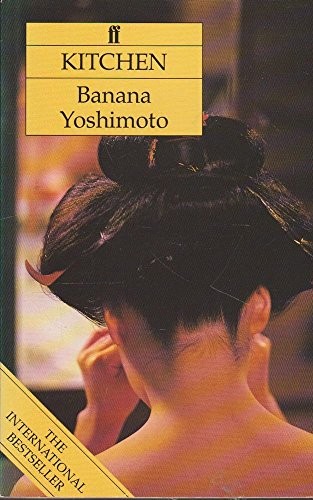
Kitchen by Banana Yoshimoto
Related: Convenience Store Woman by Sayaka Murata: Summary and Key Takeaways · Convenience Store Woman Ending Explained
Frequently Asked Questions
What is the main theme of Convenience Store Woman?
The central theme is conformity and normality, supported by identity and work and purpose.
How many themes does Convenience Store Woman have?
This guide covers 5 main themes, but readers may find others.
Who wrote Convenience Store Woman?
Convenience Store Woman was written by Sayaka Murata and first published in 2016.
Is Convenience Store Woman a good book for studying themes?
Yes. Its themes are clear enough to follow and rich enough to support essays and group discussion.
What should I read after Convenience Store Woman?
Try Earthlings by Sayaka Murata or Kitchen by Banana Yoshimoto.