
Disclosure: As an Amazon Associate, Bookish Wisdom earns from qualifying purchases. This doesn't change our picks or your price.
Quick answer: A book becomes a classic when readers keep returning to it long after it was published, because its characters, ideas and writing still feel meaningful in new times. Most classics have stood the test of time for decades or centuries, influence other writers, are widely taught and discussed, and reward rereading at different ages. There is no official list, so the label is decided by readers, critics and teachers over many years.
Table of Contents
Key Facts
| Item | Detail |
|---|---|
| Main test | Lasting relevance across generations |
| Typical age | Usually decades or older |
| Who decides | Readers, critics, teachers and publishers over time |
| Modern classics | Recent books that already feel lasting |
| Common traits | Memorable characters, big ideas, strong style |
What Makes a Book Last
1. Time
A classic has outlived the fashions of its own day and still finds new readers decades later.
2. Universal themes
Classics explore questions every generation faces, such as love, power, justice, identity and death.
3. Memorable characters
Figures like Elizabeth Bennet, Sherlock Holmes or Atticus Finch feel real enough to discuss as if we knew them.
4. Influence
Classics shape later books, films and everyday language, from 'Big Brother' to 'Catch-22'.
5. Distinctive style
The writing itself is worth studying, whether for its humor, beauty or invention.
6. Rereadability
A classic offers something new on each reading, often meaning more as readers grow older.
Common Myths About Classics
- Classics must be old. Some recent books are called modern classics because they already feel lasting.
- Classics are boring. Many were bestsellers full of romance, crime and adventure.
- Classics are only Western books. Great classics come from every culture and language.
- You must love every classic. It is fine to dislike a famous book and say why.
- Classics are too hard. Annotated editions, audiobooks and graphic adaptations make them easier.
Making Reading Part of Everyday Life
Small habits make the biggest difference. Keep a book where you naturally spend idle minutes, such as by the bed, in a bag or on your phone through a library app. Set a gentle goal, like ten pages a day, rather than a large number that feels like pressure. Mix formats, since audiobooks count too and can fit into commutes and chores. Let yourself stop reading books you do not enjoy, because forcing your way through them is one of the fastest ways to lose the habit. And talk about what you read with friends or a book club, since sharing a story is one of the best reasons to finish it.
If you want to read more, track what you finish in a notebook or app. Seeing a growing list is motivating, and it helps you notice what you enjoy most, so you can choose better books next time.
Finally, be patient with yourself. Reading habits grow slowly, and a few pages most days will add up to many books over a year.
It also helps to keep a list of books you want to read next. When you finish one book, you will already know what to pick up, which keeps the habit going without a gap.
Above all, choose books that match your mood and interests. Reading should feel like a reward, not a test, and the right book at the right time makes the habit easy.
Libraries are the best free resource for any reader. Librarians can suggest books, help you find formats that suit you and introduce you to digital lending apps.
Talking about books also deepens understanding. Sharing a favorite passage with a friend, joining an online discussion or writing a few lines in a reading journal helps you remember what you read and notice ideas you might otherwise miss.
It can also help to vary what you read. Alternating between fiction and nonfiction, long and short books, or new releases and older favorites keeps reading fresh and introduces you to authors and ideas you might never have chosen on purpose.
Helpful Books and Resources
-
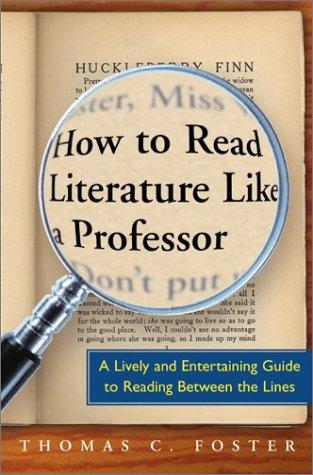
How to Read Literature Like a Professor by Thomas C. Foster
-
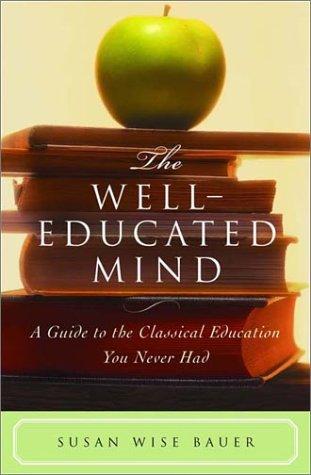
The Well-Educated Mind by Susan Wise Bauer
-
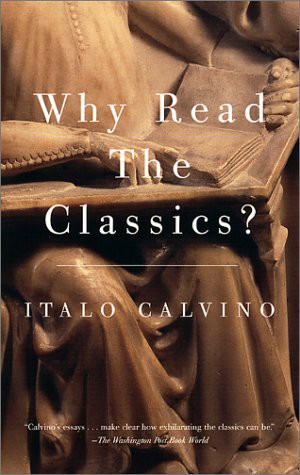
Why Read the Classics? by Italo Calvino
Frequently Asked Questions
What is a classic book?
A book that keeps being read and valued long after it was first published.
How old does a book need to be to be a classic?
There is no fixed age, but most are at least several decades old.
What is a modern classic?
A fairly recent book, often from the twentieth century, that is already widely studied and admired.
Who decides what is a classic?
Readers, critics, teachers and publishers over many years.
Are bestsellers classics?
Not always, since many bestsellers are forgotten while some slow sellers become classics.
What is the difference between a classic and literary fiction?
Literary fiction is a style of writing, while classic describes a book's lasting reputation.
Can children's books be classics?
Yes, such as Charlotte's Web, Alice's Adventures in Wonderland and The Wind in the Willows.
Why do schools teach classics?
They offer rich language, big ideas and shared cultural references.
Are there classics from outside Europe and America?
Yes, from The Tale of Genji in Japan to One Hundred Years of Solitude in Colombia.
What are good classics for beginners?
Short, gripping books such as Of Mice and Men, Animal Farm or The Old Man and the Sea.
Should I read classics in order?
No, start with whatever interests you.
Are graphic novels classics?
Some, such as Maus and Persepolis, are now widely considered classics.