
Disclosure: As an Amazon Associate, Bookish Wisdom earns from qualifying purchases. This doesn't change our picks or your price.
Quick answer: To write a children's book, first decide on the age group and format, such as a picture book, early reader or middle-grade novel, then read many recent books in that category. Develop a simple, strong idea and a character children can root for, write a draft at the right length and reading level, and revise it many times, ideally reading it aloud to children. Finally, get feedback and choose a path to publication, either through a literary agent or self-publishing.
Table of Contents
Key Facts
| Item | Detail |
|---|---|
| Picture books | Usually about 300 to 800 words, 32 pages |
| Early readers | Short chapters, simple vocabulary, ages 5 to 8 |
| Chapter books | Roughly 4,000 to 15,000 words, ages 6 to 9 |
| Middle grade | Often 30,000 to 55,000 words, ages 8 to 12 |
| Illustrations | Publishers usually choose the illustrator |
How to Write a Children's Book Step by Step
1. Choose your age group
Each category has its own length, vocabulary and themes, so pick one before you start writing.
2. Read widely in that category
Study recent bestsellers and award winners to learn what works now, not only the books you loved as a child.
3. Find a strong idea
Great children's books often start with a simple problem, a funny situation or a big feeling children recognize.
4. Create a lively main character
Children want a hero their own age or slightly older who solves the problem themselves.
5. Write and read aloud
Picture books especially are meant to be read aloud, so test the rhythm and page turns.
6. Revise and get feedback
Share your draft with children, teachers and a critique group, then revise until every word earns its place.
Mistakes New Children's Writers Make
- Writing down to children. Respect young readers' intelligence.
- Being too preachy. Let lessons come naturally from the story.
- Making it too long. Picture books especially must be short.
- Hiring an illustrator before submitting. Most traditional publishers choose their own illustrators.
- Rhyming badly. Only rhyme if the rhythm is perfect.
Building a Writing Habit That Lasts
Most books are finished by people who write regularly, not by people who wait for inspiration. Pick a time you can protect, even if it is only twenty minutes, and treat it like an appointment. Keep a running document of ideas so you never start from a blank page. Set a small, measurable goal, such as three hundred words a session, and track it. When you get stuck, skip ahead to a scene or section you are excited about and come back later. Finally, separate drafting from editing: write the rough version first, and fix it afterward, because trying to do both at once slows most writers down.
It also helps to know who the book is for. Write a one-sentence description of your reader and keep it beside your desk. Every time you are unsure about a scene, a word or a chapter, ask whether it serves that reader. This simple check keeps a draft focused and makes later editing much easier.
Finally, ask for feedback early. A trusted reader, writing group or teacher can spot problems you are too close to see, and fixing them in an early draft is much easier than in a finished one.
Keep every draft. Saving old versions lets you experiment freely, because you can always go back if a change does not work.
Most importantly, enjoy the process. Writing a book is a long project, and the writers who finish are usually the ones who find something to love in the daily work.
Reading widely in the form you are writing is one of the best teachers. Notice how other writers open, structure and end their work, and borrow techniques that suit your own voice.
Set a realistic deadline for each stage, such as finishing the draft, completing revisions and getting feedback. Deadlines turn a large, vague goal into a series of manageable steps, and they make it easier to notice when you need to adjust your plan.
Finally, protect your work. Back up every draft in at least two places, such as a cloud folder and an external drive, and keep a simple log of what you changed in each version. If anything goes wrong, you will lose a few minutes rather than months of writing.
Helpful Books and Resources
-
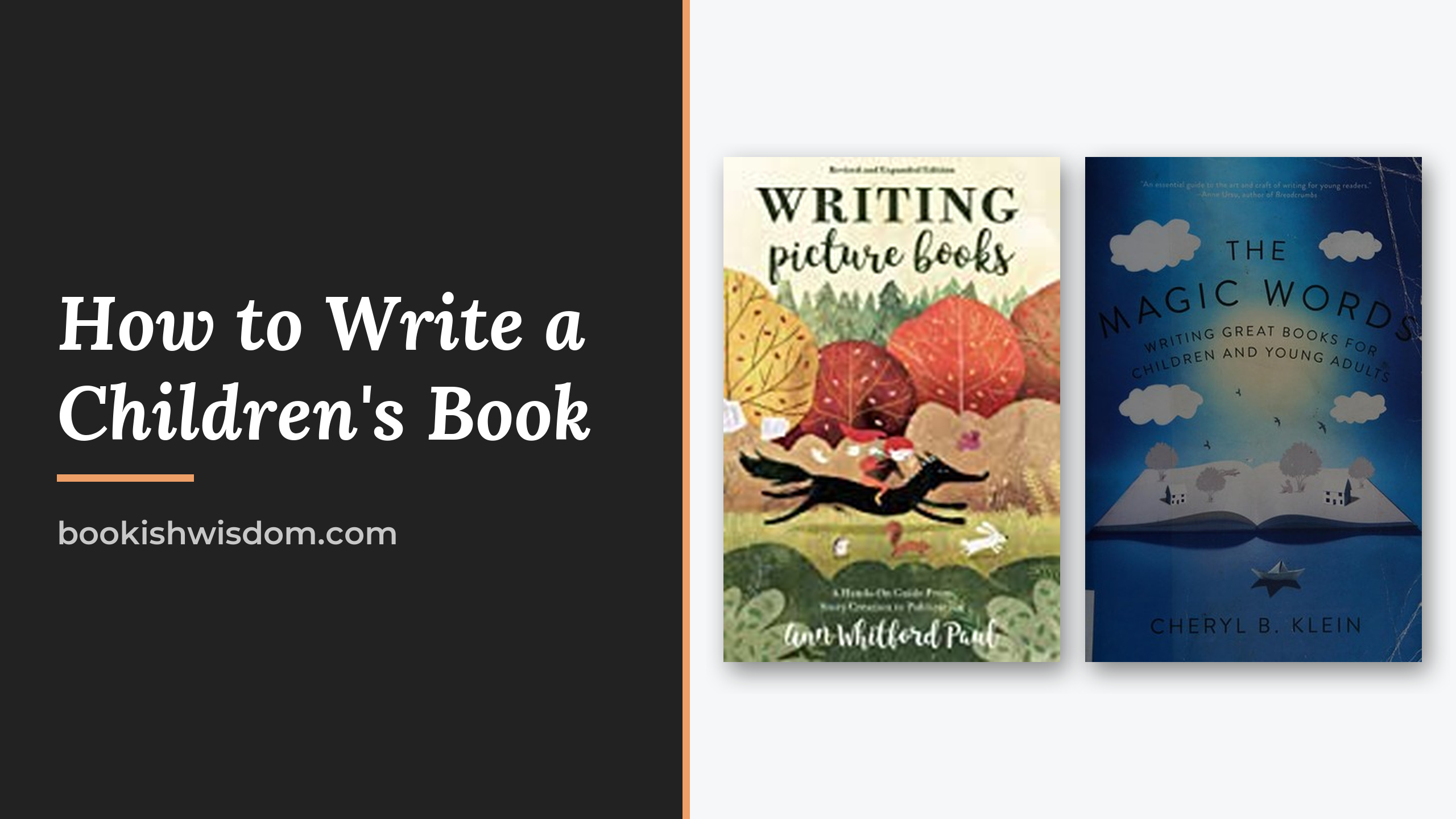
Writing Picture Books by Ann Whitford Paul
-
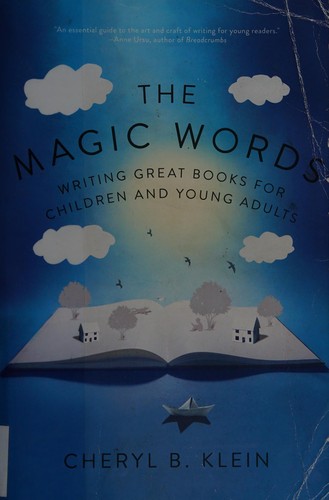
The Magic Words by Cheryl B. Klein
- Writing Irresistible Kidlit by Mary Kole
Related: How to Write a Book Review · How To Write A Book in 7 Days | The Ultimate Guide
Frequently Asked Questions
How long is a children's book?
Picture books are usually under 800 words, while middle-grade novels run much longer.
Do I need an illustrator?
Not for traditional publishing, since publishers usually pair the text with an illustrator.
Do I need an agent?
Most large publishers accept submissions only through agents, though some smaller presses accept them directly.
Should my picture book rhyme?
Only if you can rhyme very well, since editors see many weak rhymes.
What age group is easiest to write for?
None is easy, but picture books are short and very hard to get right.
How do I find an agent?
Research agents who represent children's books and follow their submission guidelines.
Can I self-publish a children's book?
Yes, but you will need to hire an illustrator and handle printing and marketing.
How much do children's authors earn?
Earnings vary widely, and most authors also do school visits or other work.
What makes a good children's book?
A strong character, a clear problem, emotional truth and language that is fun to read aloud.