
Disclosure: As an Amazon Associate, Bookish Wisdom earns from qualifying purchases. This doesn't change our picks or your price.
Quick answer: Good thriller books for beginners are fast, gripping and easy to follow, with short chapters and a clear central mystery. Popular starting points include And Then There Were None by Agatha Christie, The Silent Patient by Alex Michaelides, Gone Girl by Gillian Flynn, The Girl with the Dragon Tattoo by Stieg Larsson and The Girl on the Train by Paula Hawkins. Choose a thriller that matches your comfort with violence and suspense.
Table of Contents
Key Facts
| Item | Detail |
|---|---|
| Best first pick | And Then There Were None by Agatha Christie |
| Fast modern pick | The Silent Patient by Alex Michaelides |
| Twisty pick | Gone Girl by Gillian Flynn |
| Action pick | The Bourne Identity by Robert Ludlum |
| Spy pick | Tinker Tailor Soldier Spy by John le Carre |
How to Choose Your First Thriller
1. Pick a subgenre
Thrillers include psychological, crime, legal, spy and action stories, so start with the type that sounds most fun.
2. Check the length
Shorter thrillers with short chapters keep momentum and are easier for new readers.
3. Read the first chapter
Most thrillers hook readers early, so sample the opening before committing.
4. Consider content
Some thrillers are very violent or dark, so check reviews if you prefer milder books.
5. Try a classic
Agatha Christie's novels are clever, short and gentle on violence.
6. Use audiobooks
Thrillers work brilliantly as audiobooks because suspense keeps you listening.
Mistakes to Avoid When Starting Thrillers
- Starting with a huge series. Begin with a standalone novel.
- Reading spoilers. Avoid online discussions until you finish.
- Choosing the darkest book. Start lighter and work up.
- Ignoring older classics. Christie and du Maurier still thrill.
- Giving up too soon. Some thrillers build slowly before the twists.
Making Reading Part of Everyday Life
Small habits make the biggest difference. Keep a book where you naturally spend idle minutes, such as by the bed, in a bag or on your phone through a library app. Set a gentle goal, like ten pages a day, rather than a large number that feels like pressure. Mix formats, since audiobooks count too and can fit into commutes and chores. Let yourself stop reading books you do not enjoy, because forcing your way through them is one of the fastest ways to lose the habit. And talk about what you read with friends or a book club, since sharing a story is one of the best reasons to finish it.
If you want to read more, track what you finish in a notebook or app. Seeing a growing list is motivating, and it helps you notice what you enjoy most, so you can choose better books next time.
Finally, be patient with yourself. Reading habits grow slowly, and a few pages most days will add up to many books over a year.
It also helps to keep a list of books you want to read next. When you finish one book, you will already know what to pick up, which keeps the habit going without a gap.
Above all, choose books that match your mood and interests. Reading should feel like a reward, not a test, and the right book at the right time makes the habit easy.
Libraries are the best free resource for any reader. Librarians can suggest books, help you find formats that suit you and introduce you to digital lending apps.
Talking about books also deepens understanding. Sharing a favorite passage with a friend, joining an online discussion or writing a few lines in a reading journal helps you remember what you read and notice ideas you might otherwise miss.
It can also help to vary what you read. Alternating between fiction and nonfiction, long and short books, or new releases and older favorites keeps reading fresh and introduces you to authors and ideas you might never have chosen on purpose.
Helpful Books and Resources
-
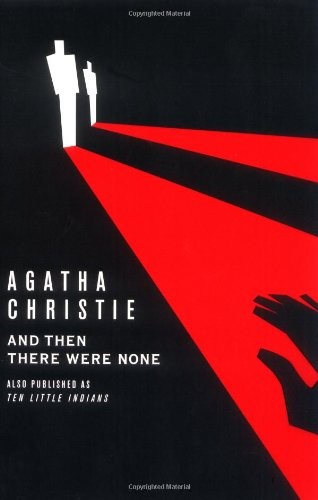
And Then There Were None by Agatha Christie
-
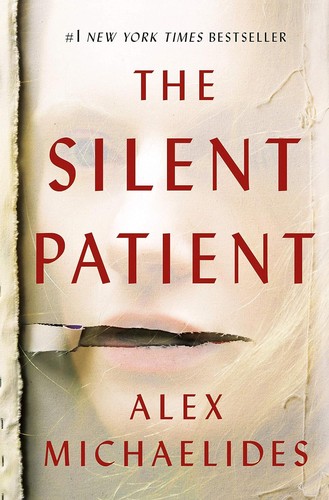
The Silent Patient by Alex Michaelides
-
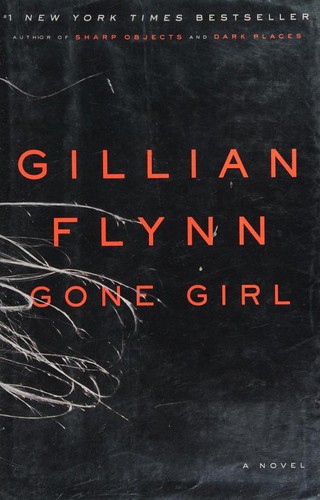
Gone Girl by Gillian Flynn
Related: And Then There Were None by Agatha Christie: Summary and Key Takeaways · The Silent Patient by Alex Michaelides: Summary and Key Takeaways
Frequently Asked Questions
What is a thriller?
A fast-paced story built around danger, suspense and high stakes.
What is the difference between a thriller and a mystery?
Mysteries focus on solving a puzzle, while thrillers focus on danger and suspense.
What is a psychological thriller?
A thriller focused on characters' minds, lies and unreliable narrators.
Is Agatha Christie good for beginners?
Yes, her books are short, clever and not very violent.
What thriller has the best twist?
Readers often name Gone Girl, The Silent Patient and And Then There Were None.
Are thrillers suitable for teenagers?
Some are, such as One of Us Is Lying and A Good Girl's Guide to Murder.
What is a domestic thriller?
A thriller set in homes and relationships, often about marriage and family secrets.
What are spy thrillers?
Thrillers about espionage, such as John le Carre's novels.
Are thriller audiobooks good?
Yes, suspense makes them very gripping to listen to.
How long are most thrillers?
Often between 300 and 400 pages.
What is a legal thriller?
A thriller about lawyers and trials, such as John Grisham's novels.
Should I read thrillers in a series in order?
Usually yes, though many can be read alone.
What is a page-turner?
A book so gripping you keep reading.
Who are popular thriller authors?
Lee Child, Harlan Coben, Gillian Flynn and Tana French.
Are thrillers literary?
Some, like Rebecca and The Secret History, are widely admired as literature.