
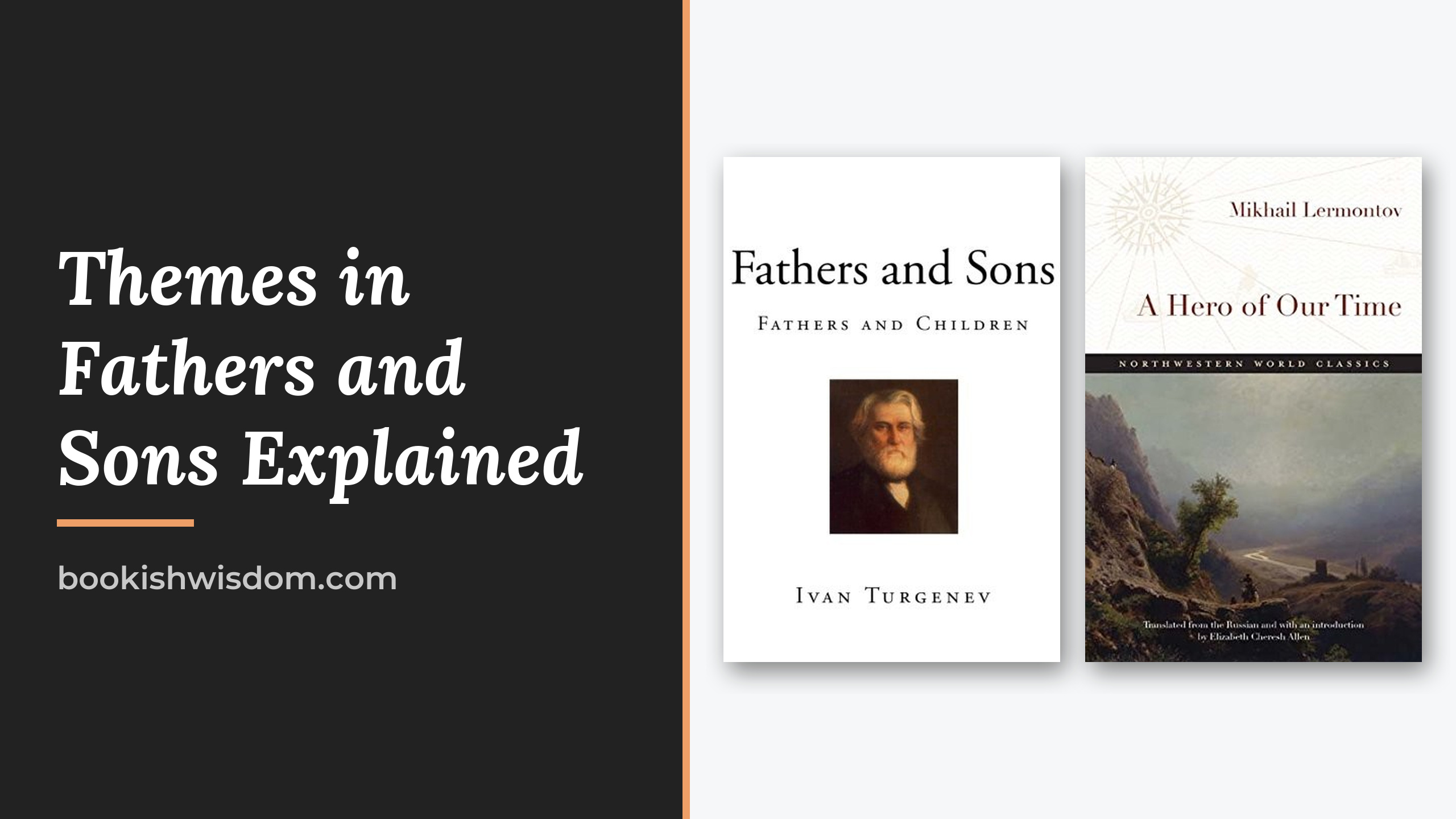
Disclosure: As an Amazon Associate, Bookish Wisdom earns from qualifying purchases. This doesn't change our picks or your price.
Spoiler warning: this analysis discusses the whole book, including the ending of Fathers and Sons.
Quick answer: The main themes in Fathers and Sons by Ivan Turgenev are generational conflict, nihilism, love, social change in Russia and family. Each is explained below with what it means, how it develops in the story and questions you can use for study or discussion.
Quick facts
- Book: Fathers and Sons by Ivan Turgenev
- First published: 1862
- Main themes: generational conflict, nihilism, love, social change in Russia and family
Table of Contents
About Fathers and Sons
In 1859, Arkady Kirsanov returns from university to his father's modest country estate in Russia, bringing his friend Yevgeny Bazarov, a medical student and proud nihilist who rejects art, love, tradition and every authority. Bazarov clashes with Arkady's elegant, old-fashioned uncle Pavel, ending in a duel. Both young men fall in love: Arkady with the gentle Katya, and Bazarov, to his own fury, with her cool, intelligent sister, the widow Anna Odintsova, who rejects him. Bazarov returns to his devoted elderly parents, cuts his finger while dissecting a typhus victim and dies.
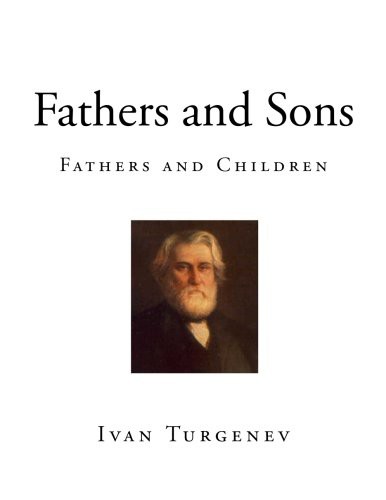
Check price of Fathers and Sons on Amazon
The Main Themes in Fathers and Sons
1. Generational conflict
The novel's central clash is between fathers, who value tradition, poetry and manners, and sons, who believe in science and change. Turgenev shows both sides with sympathy and humor, and suggests each generation misunderstands the other.
Question to consider: Where in Fathers and Sons does generational conflict matter most to the characters, and what does Ivan Turgenev want readers to think about it?
2. Nihilism
Bazarov rejects every belief that cannot be proven. His philosophy seems bold, but it cannot protect him from love, grief or death, and the novel tests whether a life of pure denial is possible.
Question to consider: Where in Fathers and Sons does nihilism matter most to the characters, and what does Ivan Turgenev want readers to think about it?
3. Love
Bazarov mocks romance until he falls helplessly for Anna. His love exposes the limits of his ideas and gives the novel its most painful scenes.
Question to consider: Where in Fathers and Sons does love matter most to the characters, and what does Ivan Turgenev want readers to think about it?
4. Social change in Russia
The novel is set just before the 1861 emancipation of the serfs. Estates are failing and old ways are fading, and the characters argue about what Russia should become.
Question to consider: Where in Fathers and Sons does social change in Russia matter most to the characters, and what does Ivan Turgenev want readers to think about it?
5. Family
Arkady's warm relationship with his father, and Bazarov's distance from his loving parents, show the pain and tenderness between generations.
Question to consider: Where in Fathers and Sons does family matter most to the characters, and what does Ivan Turgenev want readers to think about it?
Symbols and Motifs
- The duel. The absurd duel between Bazarov and Pavel symbolizes the clash of generations and its foolishness.
- The frog dissections. Bazarov's experiments represent his belief that science explains everything.
- Pushkin and the cello. Nikolai's love of poetry and music represents the older generation's values.
- Bazarov's grave. The final image of his parents at his grave shows that love outlasts ideas.
How the Themes Connect
The themes connect through the clash between fathers and sons. Bazarov's nihilism, love and death test the younger generation's ideas, while family love softens the conflict. Turgenev's novel made the word nihilist famous, and it angered both conservatives and radicals when it appeared, since each side felt mocked. Bazarov is often called the first Bolshevik character in literature. The novel is short and readable compared with many Russian classics, which makes it a good starting point. Readers still debate whether Turgenev admired or criticized Bazarov, and his deathbed scene is among the most moving in Russian fiction.
How to Write About the Themes of Fathers and Sons
If you are writing an essay or preparing for class, these steps help:
- Pick one theme. A focused argument is stronger than a list of everything.
- Find evidence in the text. Point to specific scenes, characters and choices rather than general impressions.
- Explain, don't just describe. After each example, say what it shows about the theme.
- Connect to the ending. Ask how the final chapters resolve or complicate the theme.
- Consider other readings. A fair essay acknowledges that readers can disagree.
Discussion Questions
- Which of the themes above feels most relevant to your own life, and why?
- Do the characters in Fathers and Sons handle generational conflict well or badly?
- How does the title relate to the themes of the book?
- Would the story change if it were set in a different time or place?
- What does Ivan Turgenev leave unresolved, and why might that be?
Books With Similar Themes
-
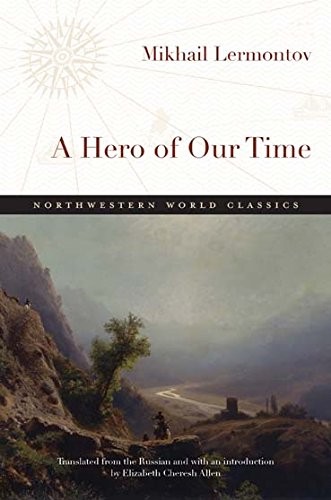
A Hero of Our Time by Mikhail Lermontov
-
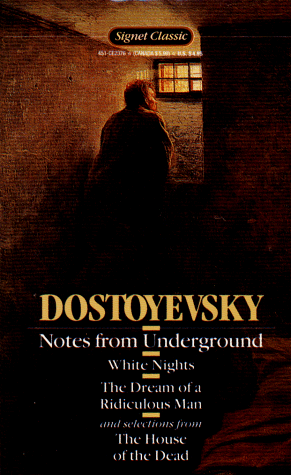
Notes from Underground by Fyodor Dostoevsky
Frequently Asked Questions
What is the main theme of Fathers and Sons?
The central theme is generational conflict, supported by nihilism and love.
How many themes does Fathers and Sons have?
This guide covers 5 main themes, but readers may find others.
Who wrote Fathers and Sons?
Fathers and Sons was written by Ivan Turgenev and first published in 1862.
Is Fathers and Sons a good book for studying themes?
Yes. Its themes are clear enough to follow and rich enough to support essays and group discussion.
What should I read after Fathers and Sons?
Try A Hero of Our Time by Mikhail Lermontov or Notes from Underground by Fyodor Dostoevsky.