
Disclosure: As an Amazon Associate, Bookish Wisdom earns from qualifying purchases. This doesn't change our picks or your price.
Spoiler warning: this analysis discusses the whole book, including the ending of Notes from Underground.
Quick answer: The main themes in Notes from Underground by Fyodor Dostoevsky are free will, alienation, reason, humiliation and cruelty. Each is explained below with what it means, how it develops in the story and questions you can use for study or discussion.
Quick facts
- Book: Notes from Underground by Fyodor Dostoevsky
- First published: 1864
- Main themes: free will, alienation, reason, humiliation and cruelty
Table of Contents
About Notes from Underground
An unnamed, bitter retired civil servant in St. Petersburg, known as the Underground Man, writes a rambling confession. In Part One, he attacks the idea that humans act rationally for their own advantage. In Part Two, he recalls humiliating episodes from his youth, including a disastrous dinner with old schoolmates and his cruel treatment of a young woman named Liza. The narrator, forty years old, has retired after inheriting a small sum and lives alone in a shabby room. He calls himself a sick, spiteful and unattractive man. Part Two, set in the 1840s, shows him trying to insult an officer who ignored him, forcing himself into a farewell dinner with former classmates who despise him and visiting a young woman, Liza, whom he first moves with talk of a better life and then crushes.

Check price of Notes from Underground on Amazon
The Main Themes in Notes from Underground
1. Free will
The narrator insists that people act against their interest to prove they are free. He claims that if science ever proved what we should do, people would rebel just to prove they are not machines.
Question to consider: Where in Notes from Underground does free will matter most to the characters, and what does Fyodor Dostoevsky want readers to think about it?
2. Alienation
He is isolated and resentful. He has cut himself off from society and stews in resentment and shame.
Question to consider: Where in Notes from Underground does alienation matter most to the characters, and what does Fyodor Dostoevsky want readers to think about it?
3. Reason
He attacks rational utopias. He mocks thinkers who believe that reason and progress will make people good.
Question to consider: Where in Notes from Underground does reason matter most to the characters, and what does Fyodor Dostoevsky want readers to think about it?
4. Humiliation
He seeks and fears humiliation. He spends years plotting to bump into the officer as an equal, a comic and painful picture of wounded pride.
Question to consider: Where in Notes from Underground does humiliation matter most to the characters, and what does Fyodor Dostoevsky want readers to think about it?
5. Cruelty
He hurts Liza. When Liza comes to him for help, he humiliates her, then regrets it as she leaves.
Question to consider: Where in Notes from Underground does cruelty matter most to the characters, and what does Fyodor Dostoevsky want readers to think about it?
Symbols and Motifs
- The underground. Represents isolation. His cellar-like life stands for his withdrawal from the world.
- The crystal palace. Represents rational utopia. The famous glass building in London stood, for many Russians, as a symbol of perfect, planned society.
- The officer. Represents humiliation. The officer who moves him aside like furniture represents everything the narrator resents.
- Liza. Represents missed redemption. She offers him a chance to change, which he throws away.
How the Themes Connect
The themes connect through the narrator's bitterness. The book is often seen as the first existentialist novel. Dostoevsky wrote it partly as a reply to a popular Russian novel promising a rational future. Nietzsche admired it, and writers from Kafka to Camus were influenced by its voice.
How to Write About the Themes of Notes from Underground
If you are writing an essay or preparing for class, these steps help:
- Pick one theme. A focused argument is stronger than a list of everything.
- Find evidence in the text. Point to specific scenes, characters and choices rather than general impressions.
- Explain, don't just describe. After each example, say what it shows about the theme.
- Connect to the ending. Ask how the final chapters resolve or complicate the theme.
- Consider other readings. A fair essay acknowledges that readers can disagree.
Discussion Questions
- Which of the themes above feels most relevant to your own life, and why?
- Do the characters in Notes from Underground handle free will well or badly?
- How does the title relate to the themes of the book?
- Would the story change if it were set in a different time or place?
- What does Fyodor Dostoevsky leave unresolved, and why might that be?
Books With Similar Themes
-
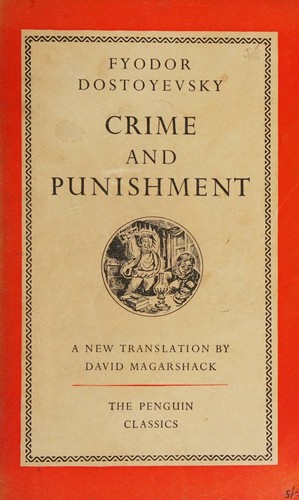
Crime and Punishment by Fyodor Dostoevsky
-

The Stranger by Albert Camus
Related: 15 Books Like Notes from Underground You’ll Love · Crime and Punishment by Fyodor Dostoevsky: Summary and Key Takeaways
Frequently Asked Questions
What is the main theme of Notes from Underground?
The central theme is free will, supported by alienation and reason.
How many themes does Notes from Underground have?
This guide covers 5 main themes, but readers may find others.
Who wrote Notes from Underground?
Notes from Underground was written by Fyodor Dostoevsky and first published in 1864.
Is Notes from Underground a good book for studying themes?
Yes. Its themes are clear enough to follow and rich enough to support essays and group discussion.
What should I read after Notes from Underground?
Try Crime and Punishment by Fyodor Dostoevsky or The Stranger by Albert Camus.