
Disclosure: As an Amazon Associate, Bookish Wisdom earns from qualifying purchases. This doesn't change our picks or your price.
Spoiler warning: this analysis discusses the whole book, including the ending of Fear and Loathing in Las Vegas.
Quick answer: The main themes in Fear and Loathing in Las Vegas by Hunter S. Thompson are the American Dream, excess and drug culture, journalism and truth, paranoia and fear and the end of an era. Each is explained below with what it means, how it develops in the story and questions you can use for study or discussion.
Quick facts
- Book: Fear and Loathing in Las Vegas by Hunter S. Thompson
- First published: 1971
- Main themes: the American Dream, excess and drug culture, journalism and truth, paranoia and fear and the end of an era
Table of Contents
About Fear and Loathing in Las Vegas
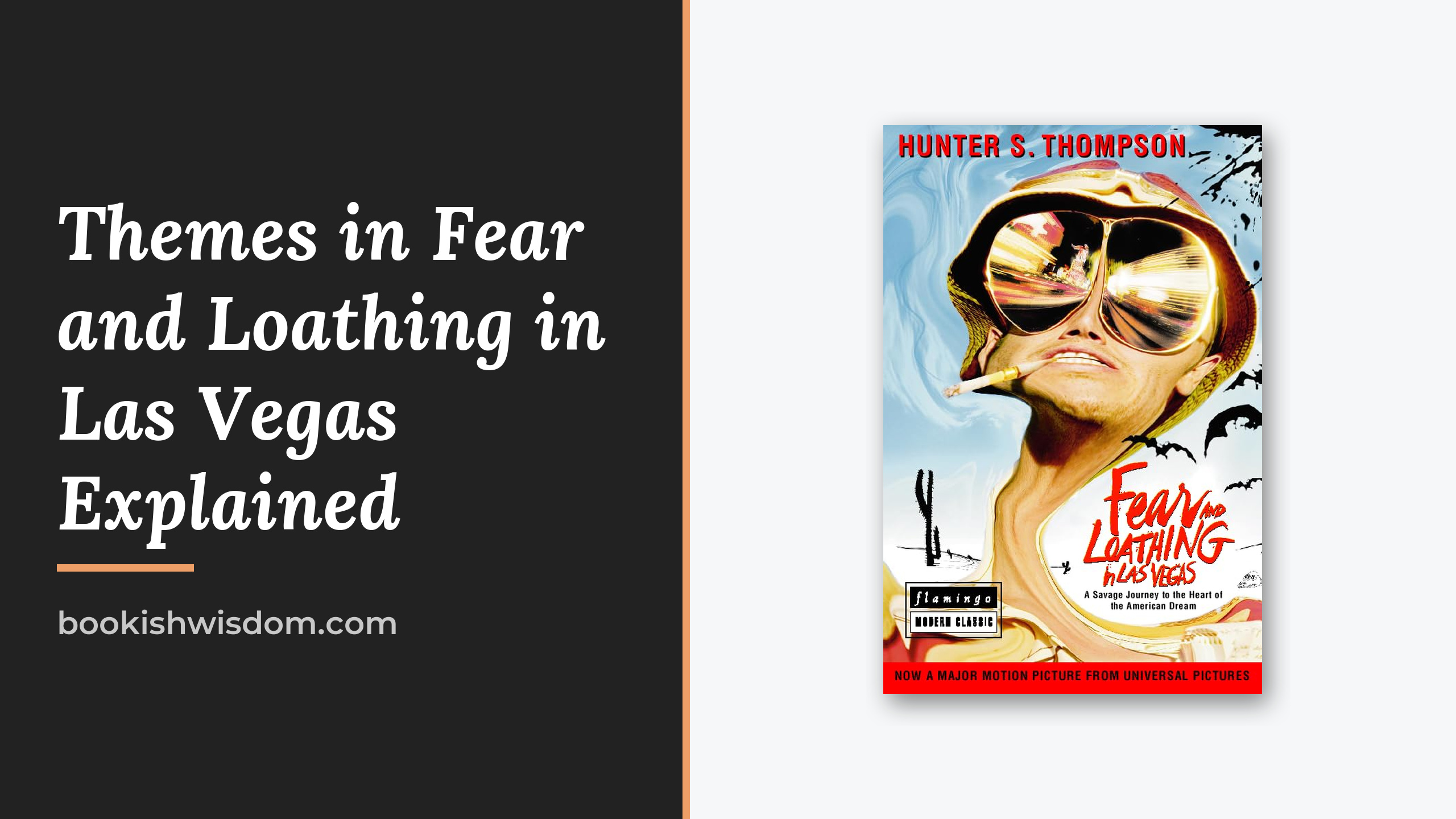
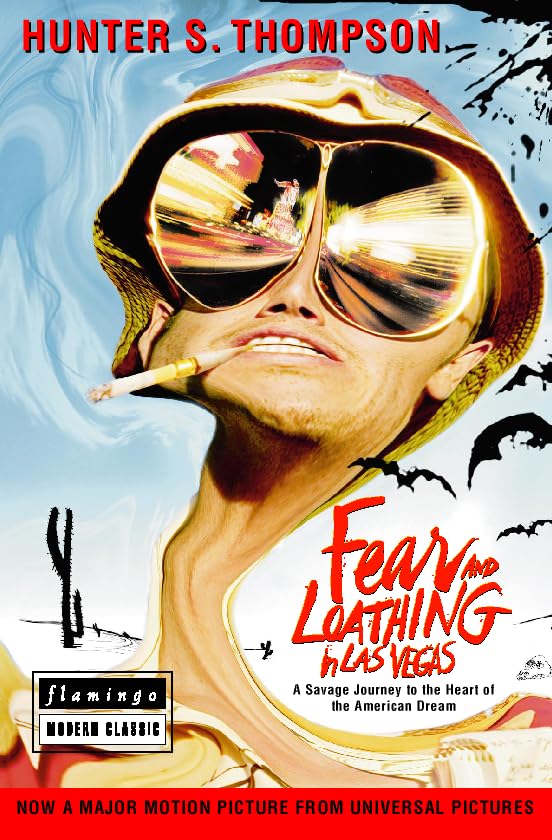
Raoul Duke, a journalist, and his attorney Dr. Gonzo drive to Las Vegas in a red convertible, loaded with drugs, to cover a motorcycle race and later a police conference on narcotics. Their trip spirals into chaos, paranoia and hallucination. Written in Thompson's wild “gonzo” style, the book becomes a savage, darkly funny look at the end of the 1960s and the collapse of the American Dream.
Check price of Fear and Loathing in Las Vegas on Amazon
The Main Themes in Fear and Loathing in Las Vegas
1. The American Dream
Duke's search for the American Dream in Las Vegas turns up only greed, excess and emptiness. Thompson suggests that the dream has become a hollow, commercial fantasy.
Question to consider: Where in Fear and Loathing in Las Vegas does the American Dream matter most to the characters, and what does Hunter S. Thompson want readers to think about it?
2. Excess and drug culture
The book is full of drug use, but it also shows the paranoia and damage it causes. Thompson captures the end of the 1960s counterculture and its broken promises.
Question to consider: Where in Fear and Loathing in Las Vegas does excess and drug culture matter most to the characters, and what does Hunter S. Thompson want readers to think about it?
3. Journalism and truth
Thompson invented gonzo journalism, in which the writer becomes part of the story. The book questions whether objective reporting is possible and suggests personal truth can be more honest.
Question to consider: Where in Fear and Loathing in Las Vegas does journalism and truth matter most to the characters, and what does Hunter S. Thompson want readers to think about it?
4. Paranoia and fear
Duke constantly fears being caught or losing control. This paranoia reflects a wider fear in American culture at the time.
Question to consider: Where in Fear and Loathing in Las Vegas does paranoia and fear matter most to the characters, and what does Hunter S. Thompson want readers to think about it?
5. The end of an era
The book looks back on the hopeful 1960s with sadness. Thompson's famous “wave speech” mourns a moment of possibility that has passed.
Question to consider: Where in Fear and Loathing in Las Vegas does the end of an era matter most to the characters, and what does Hunter S. Thompson want readers to think about it?
Symbols and Motifs
- Las Vegas. The city represents greed, excess and the corrupted American Dream.
- The red convertible. It stands for freedom and reckless abandon.
- The wave. It symbolises the high point and fall of the 1960s.
- The police conference. It represents the establishment and irony.
How the Themes Connect
The American Dream is the target, and excess and drug culture are both the method and the subject. Thompson's gonzo journalism blurs truth and fiction, and paranoia shows the fear beneath the fun. The end of an era gives the book its sad undertone, mourning lost hope.
How to Write About the Themes of Fear and Loathing in Las Vegas
If you are writing an essay or preparing for class, these steps help:
- Pick one theme. A focused argument is stronger than a list of everything.
- Find evidence in the text. Point to specific scenes, characters and choices rather than general impressions.
- Explain, don't just describe. After each example, say what it shows about the theme.
- Connect to the ending. Ask how the final chapters resolve or complicate the theme.
- Consider other readings. A fair essay acknowledges that readers can disagree.
Discussion Questions
- Which of the themes above feels most relevant to your own life, and why?
- Do the characters in Fear and Loathing in Las Vegas handle the American Dream well or badly?
- How does the title relate to the themes of the book?
- Would the story change if it were set in a different time or place?
- What does Hunter S. Thompson leave unresolved, and why might that be?
Books With Similar Themes
- On the Road by Jack Kerouac
- The Great Gatsby by F. Scott Fitzgerald
Related: Fear and Loathing in Las Vegas by Hunter S. Thompson: Summary and Key Takeaways · 15 Books Like Fear and Loathing in Las Vegas You’ll Love
Frequently Asked Questions
What is the main theme of Fear and Loathing in Las Vegas?
The central theme is the American Dream, supported by excess and drug culture and journalism and truth.
How many themes does Fear and Loathing in Las Vegas have?
This guide covers 5 main themes, but readers may find others.
Who wrote Fear and Loathing in Las Vegas?
Fear and Loathing in Las Vegas was written by Hunter S. Thompson and first published in 1971.
Is Fear and Loathing in Las Vegas a good book for studying themes?
Yes. Its themes are clear enough to follow and rich enough to support essays and group discussion.
What should I read after Fear and Loathing in Las Vegas?
Try On the Road by Jack Kerouac or The Great Gatsby by F. Scott Fitzgerald.