
Disclosure: As an Amazon Associate, Bookish Wisdom earns from qualifying purchases. This doesn't change our picks or your price.
Spoiler warning: this analysis discusses the whole book, including the ending of Frankenstein.
Quick answer: The main themes in Frankenstein by Mary Shelley are ambition, responsibility, isolation, nature versus nurture and revenge. Each is explained below with what it means, how it develops in the story and questions you can use for study or discussion.
Quick facts
- Book: Frankenstein by Mary Shelley
- First published: 1818
- Main themes: ambition, responsibility, isolation, nature versus nurture and revenge
Table of Contents
About Frankenstein
Young scientist Victor Frankenstein becomes obsessed with discovering the secret of life. Working in secret, he builds a creature from dead body parts and brings it to life. Horrified by what he has made, Victor abandons it. The creature, intelligent and lonely, teaches itself to speak and read, but people reject it because of its appearance. Its loneliness turns into rage, and it takes revenge on Victor's family.
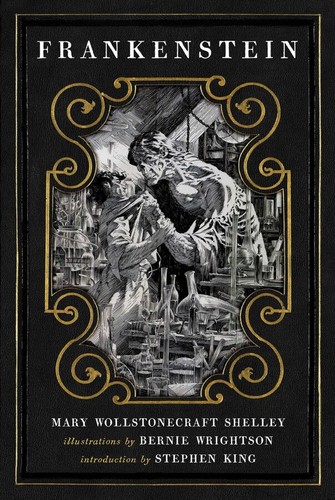
Check price of Frankenstein on Amazon
The Main Themes in Frankenstein
1. Ambition
Victor's hunger for discovery drives him to cross the boundary between life and death. Shelley warns about the dangers of scientific ambition that races ahead of wisdom and care for others.
Question to consider: Where in Frankenstein does ambition matter most to the characters, and what does Mary Shelley want readers to think about it?
2. Responsibility
Victor abandons his creation the moment it opens its eyes. The novel asks what creators owe to what they create, a question that still matters in debates about science and technology.
Question to consider: Where in Frankenstein does responsibility matter most to the characters, and what does Mary Shelley want readers to think about it?
3. Isolation
Both Victor and the creature end up cut off from other people, one by secrecy and one by rejection. Shelley shows how loneliness can grow into despair and destruction.
Question to consider: Where in Frankenstein does isolation matter most to the characters, and what does Mary Shelley want readers to think about it?
4. Nature versus nurture
The creature begins gentle and curious, but repeated rejection makes him violent. The book asks whether monsters are born or made by the cruelty of others.
Question to consider: Where in Frankenstein does nature versus nurture matter most to the characters, and what does Mary Shelley want readers to think about it?
5. Revenge
The creature's revenge destroys Victor's life. The novel shows revenge consuming everyone.
Question to consider: Where in Frankenstein does revenge matter most to the characters, and what does Mary Shelley want readers to think about it?
Symbols and Motifs
- The creature. It represents ambition and rejection.
- Fire. It symbolises knowledge and danger.
- The Arctic. It represents isolation.
- Light. It stands for knowledge.
How the Themes Connect
Ambition leads Victor to create life, but he fails the responsibility that comes with it the moment he runs from his creation. Isolation and rejection then turn the creature monstrous, raising the novel's central nature-versus-nurture question about whether monsters are born or made. Revenge finally destroys them both, as creator and creature chase each other into the frozen Arctic, each ruined by what the other has done.
How to Write About the Themes of Frankenstein
If you are writing an essay or preparing for class, these steps help:
- Pick one theme. A focused argument is stronger than a list of everything.
- Find evidence in the text. Point to specific scenes, characters and choices rather than general impressions.
- Explain, don't just describe. After each example, say what it shows about the theme.
- Connect to the ending. Ask how the final chapters resolve or complicate the theme.
- Consider other readings. A fair essay acknowledges that readers can disagree.
Discussion Questions
- Which of the themes above feels most relevant to your own life, and why?
- Do the characters in Frankenstein handle ambition well or badly?
- How does the title relate to the themes of the book?
- Would the story change if it were set in a different time or place?
- What does Mary Shelley leave unresolved, and why might that be?
Books With Similar Themes
- Dracula by Bram Stoker
- Dr Jekyll and Mr Hyde by Robert Louis Stevenson
Related: Frankenstein by Mary Shelley: Summary and Key Takeaways · Frankenstein Ending Explained
Frequently Asked Questions
What is the main theme of Frankenstein?
The central theme is ambition, supported by responsibility and isolation.
How many themes does Frankenstein have?
This guide covers 5 main themes, but readers may find others.
Who wrote Frankenstein?
Frankenstein was written by Mary Shelley and first published in 1818.
Is Frankenstein a good book for studying themes?
Yes. Its themes are clear enough to follow and rich enough to support essays and group discussion.
What should I read after Frankenstein?
Try Dracula by Bram Stoker or Dr Jekyll and Mr Hyde by Robert Louis Stevenson.