
Disclosure: As an Amazon Associate, Bookish Wisdom earns from qualifying purchases. This doesn't change our picks or your price.
Spoiler warning: this analysis discusses the whole book, including the ending of George's Marvellous Medicine.
Quick answer: The main themes in George's Marvellous Medicine by Roald Dahl are standing up to bullies, imagination and experiment, adults and children, consequences and humor and the grotesque. Each is explained below with what it means, how it develops in the story and questions you can use for study or discussion.
Quick facts
- Book: George's Marvellous Medicine by Roald Dahl
- First published: 1981
- Main themes: standing up to bullies, imagination and experiment, adults and children, consequences and humor and the grotesque
Table of Contents
About George's Marvellous Medicine
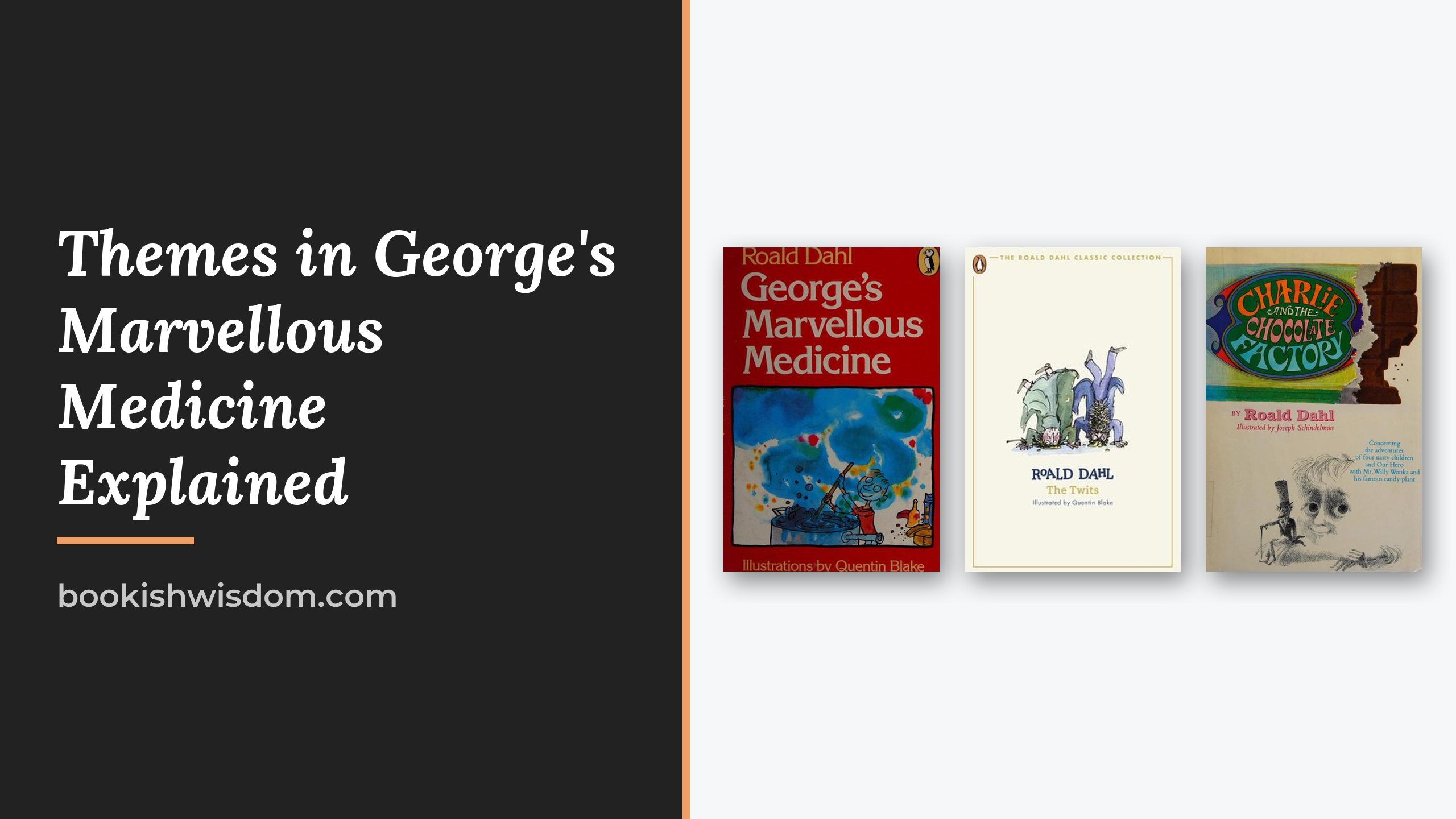
Eight-year-old George Kranky lives on a farm with his parents and his grandmother, a grumpy, selfish old woman who bullies him whenever his mother is out. She tells him she eats slugs and beetles and that he should grow up to be like her. Fed up, George decides to replace her medicine with a magic mixture of his own. He collects everything he can find, from shampoo and floor polish to animal pills and brown paint, and boils it in a saucepan. When Grandma drinks it, she shoots up through the roof of the farmhouse. His father sees a chance to grow giant farm animals, but the next batch does not work the same way.
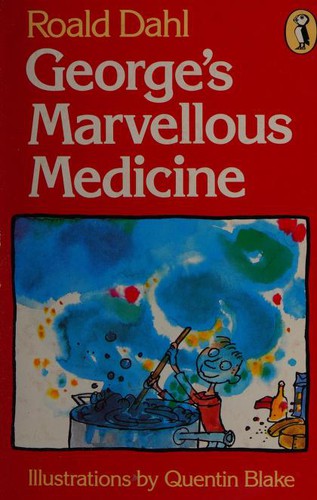
Check price of George's Marvellous Medicine on Amazon
The Main Themes in George's Marvellous Medicine
1. Standing up to bullies
Grandma is cruel and frightening, and George is small and alone. Dahl gives him a way to fight back, which is why young readers cheer him on, though the ending also raises questions about how far revenge should go.
Question to consider: Where in George's Marvellous Medicine does standing up to bullies matter most to the characters, and what does Roald Dahl want readers to think about it?
2. Imagination and experiment
George's medicine is a wild creative project. He uses his imagination like a mad scientist, mixing anything with a strong smell or bright color, and the book celebrates curiosity and invention.
Question to consider: Where in George's Marvellous Medicine does imagination and experiment matter most to the characters, and what does Roald Dahl want readers to think about it?
3. Adults and children
Grandma abuses her power over George, while his parents barely notice. Dahl often shows adults as unfair, giving children the upper hand.
Question to consider: Where in George's Marvellous Medicine does adults and children matter most to the characters, and what does Roald Dahl want readers to think about it?
4. Consequences
The medicine has surprising and dangerous effects. George's father wants to profit, and greed leads to failure when they cannot remember the exact recipe.
Question to consider: Where in George's Marvellous Medicine does consequences matter most to the characters, and what does Roald Dahl want readers to think about it?
5. Humor and the grotesque
The book revels in disgusting details, which makes it funny and memorable for children.
Question to consider: Where in George's Marvellous Medicine does humor and the grotesque matter most to the characters, and what does Roald Dahl want readers to think about it?
Symbols and Motifs
- The saucepan. The giant pot represents George's creativity and power.
- Grandma's height. Her growth through the roof symbolizes how large and frightening bullies can seem.
- The giant animals. The enormous chickens and pigs represent the temptation of quick profit.
- The recipe. The forgotten ingredients represent the impossibility of repeating a lucky accident.
How the Themes Connect
The themes connect through George's revenge on a bully. His imagination gives him power, but the consequences show that experiments can go wrong. Dahl dedicated the book to doctors everywhere and later added a warning that children should never try to make medicine at home. Its ending, in which Grandma shrinks to nothing, is one of Dahl's darkest, and readers often debate whether George went too far. Quentin Blake's illustrations add to the fun.
How to Write About the Themes of George's Marvellous Medicine
If you are writing an essay or preparing for class, these steps help:
- Pick one theme. A focused argument is stronger than a list of everything.
- Find evidence in the text. Point to specific scenes, characters and choices rather than general impressions.
- Explain, don't just describe. After each example, say what it shows about the theme.
- Connect to the ending. Ask how the final chapters resolve or complicate the theme.
- Consider other readings. A fair essay acknowledges that readers can disagree.
Discussion Questions
- Which of the themes above feels most relevant to your own life, and why?
- Do the characters in George's Marvellous Medicine handle standing up to bullies well or badly?
- How does the title relate to the themes of the book?
- Would the story change if it were set in a different time or place?
- What does Roald Dahl leave unresolved, and why might that be?
Books With Similar Themes
-
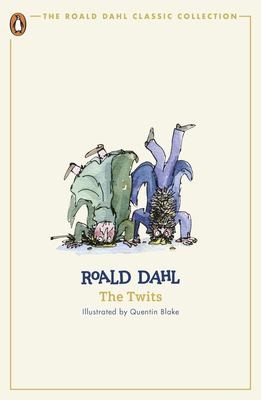
The Twits by Roald Dahl
-
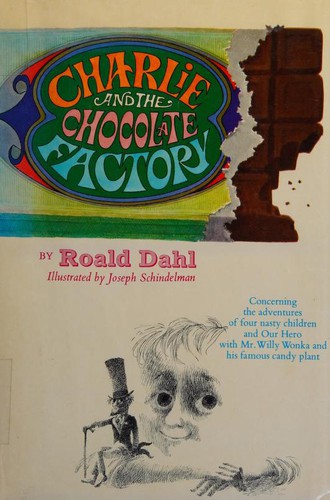
Charlie and the Chocolate Factory by Roald Dahl
Related: George’s Marvellous Medicine by Roald Dahl: Summary and Key Takeaways · George’s Marvellous Medicine Characters: A Complete Guide
Frequently Asked Questions
What is the main theme of George's Marvellous Medicine?
The central theme is standing up to bullies, supported by imagination and experiment and adults and children.
How many themes does George's Marvellous Medicine have?
This guide covers 5 main themes, but readers may find others.
Who wrote George's Marvellous Medicine?
George's Marvellous Medicine was written by Roald Dahl and first published in 1981.
Is George's Marvellous Medicine a good book for studying themes?
Yes. Its themes are clear enough to follow and rich enough to support essays and group discussion.
What should I read after George's Marvellous Medicine?
Try The Twits by Roald Dahl or Charlie and the Chocolate Factory by Roald Dahl.