
Disclosure: As an Amazon Associate, Bookish Wisdom earns from qualifying purchases. This doesn't change our picks or your price.
Spoiler warning: this analysis discusses the whole book, including the ending of Leaves of Grass.
Quick answer: The main themes in Leaves of Grass by Walt Whitman are the self and the individual, democracy and equality, nature, the body and death and renewal. Each is explained below with what it means, how it develops in the story and questions you can use for study or discussion.
Quick facts
- Book: Leaves of Grass by Walt Whitman
- First published: 1855
- Main themes: the self and the individual, democracy and equality, nature, the body and death and renewal
Table of Contents
About Leaves of Grass
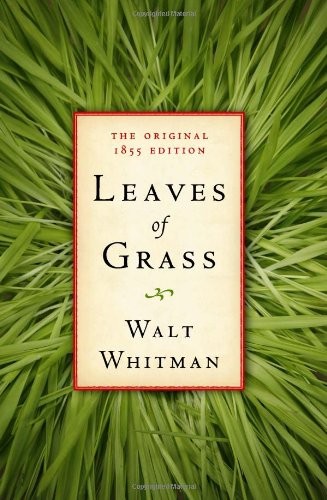
Leaves of Grass is Walt Whitman's life's work, a poetry collection he first self-published in 1855 with just twelve poems and kept revising and expanding until his death in 1892, when it held nearly four hundred. It includes “Song of Myself,” “I Sing the Body Electric,” “Crossing Brooklyn Ferry” and “O Captain! My Captain!”, his famous elegy for Abraham Lincoln. Written in long, rolling lines of free verse, the poems celebrate democracy, ordinary Americans, nature, the human body and the self, and they changed American poetry forever.
Check price of Leaves of Grass on Amazon
The Main Themes in Leaves of Grass
1. The self and the individual
“Song of Myself” opens with “I celebrate myself.” Whitman praises the individual, but he also insists that each person contains multitudes and is connected to everyone else, making the self both personal and universal.
Question to consider: Where in Leaves of Grass does the self and the individual matter most to the characters, and what does Walt Whitman want readers to think about it?
2. Democracy and equality
Whitman celebrates farmers, sailors, mechanics, mothers and enslaved people alike. His long catalogues of ordinary Americans express the democratic ideal that every life deserves attention and dignity.
Question to consider: Where in Leaves of Grass does democracy and equality matter most to the characters, and what does Walt Whitman want readers to think about it?
3. Nature
Grass, leaves, oceans and animals fill the poems. Whitman sees the natural world as deeply connected to human life, and the humble grass becomes a symbol of shared existence.
Question to consider: Where in Leaves of Grass does nature matter most to the characters, and what does Walt Whitman want readers to think about it?
4. The body
Whitman openly celebrates the human body and physical desire. This frankness shocked many readers in the 1800s and led to the book being banned in some places.
Question to consider: Where in Leaves of Grass does the body matter most to the characters, and what does Walt Whitman want readers to think about it?
5. Death and renewal
Whitman treats death not as an ending but as part of the cycle of life. The grass growing from graves suggests renewal.
Question to consider: Where in Leaves of Grass does death and renewal matter most to the characters, and what does Walt Whitman want readers to think about it?
Symbols and Motifs
- The grass. It represents democracy, equality and renewal, growing everywhere for everyone.
- The open road. It symbolises freedom and possibility.
- The ferry. Crossing Brooklyn Ferry stands for connection across time.
- Lincoln as captain. He represents national grief after the Civil War.
How the Themes Connect
The self and democracy are the collection's central ideas, showing how individual and nation are linked. Nature and the body show Whitman's celebration of physical life, while death and renewal place everything in a larger cycle. His free verse broke from strict rhyme and metre, influencing generations of poets and helping define an American voice in literature.
How to Write About the Themes of Leaves of Grass
If you are writing an essay or preparing for class, these steps help:
- Pick one theme. A focused argument is stronger than a list of everything.
- Find evidence in the text. Point to specific scenes, characters and choices rather than general impressions.
- Explain, don't just describe. After each example, say what it shows about the theme.
- Connect to the ending. Ask how the final chapters resolve or complicate the theme.
- Consider other readings. A fair essay acknowledges that readers can disagree.
Discussion Questions
- Which of the themes above feels most relevant to your own life, and why?
- Do the characters in Leaves of Grass handle the self and the individual well or badly?
- How does the title relate to the themes of the book?
- Would the story change if it were set in a different time or place?
- What does Walt Whitman leave unresolved, and why might that be?
Books With Similar Themes
- Ariel by Sylvia Plath
- And Still I Rise by Maya Angelou
Related: Leaves of Grass by Walt Whitman: Summary and Key Takeaways · Walt Whitman Books in Order: Complete Reading List
Frequently Asked Questions
What is the main theme of Leaves of Grass?
The central theme is the self and the individual, supported by democracy and equality and nature.
How many themes does Leaves of Grass have?
This guide covers 5 main themes, but readers may find others.
Who wrote Leaves of Grass?
Leaves of Grass was written by Walt Whitman and first published in 1855.
Is Leaves of Grass a good book for studying themes?
Yes. Its themes are clear enough to follow and rich enough to support essays and group discussion.
What should I read after Leaves of Grass?
Try Ariel by Sylvia Plath or And Still I Rise by Maya Angelou.