
Disclosure: As an Amazon Associate, Bookish Wisdom earns from qualifying purchases. This doesn't change our picks or your price.
Spoiler warning: this analysis discusses the whole book, including the ending of Medicine Walk.
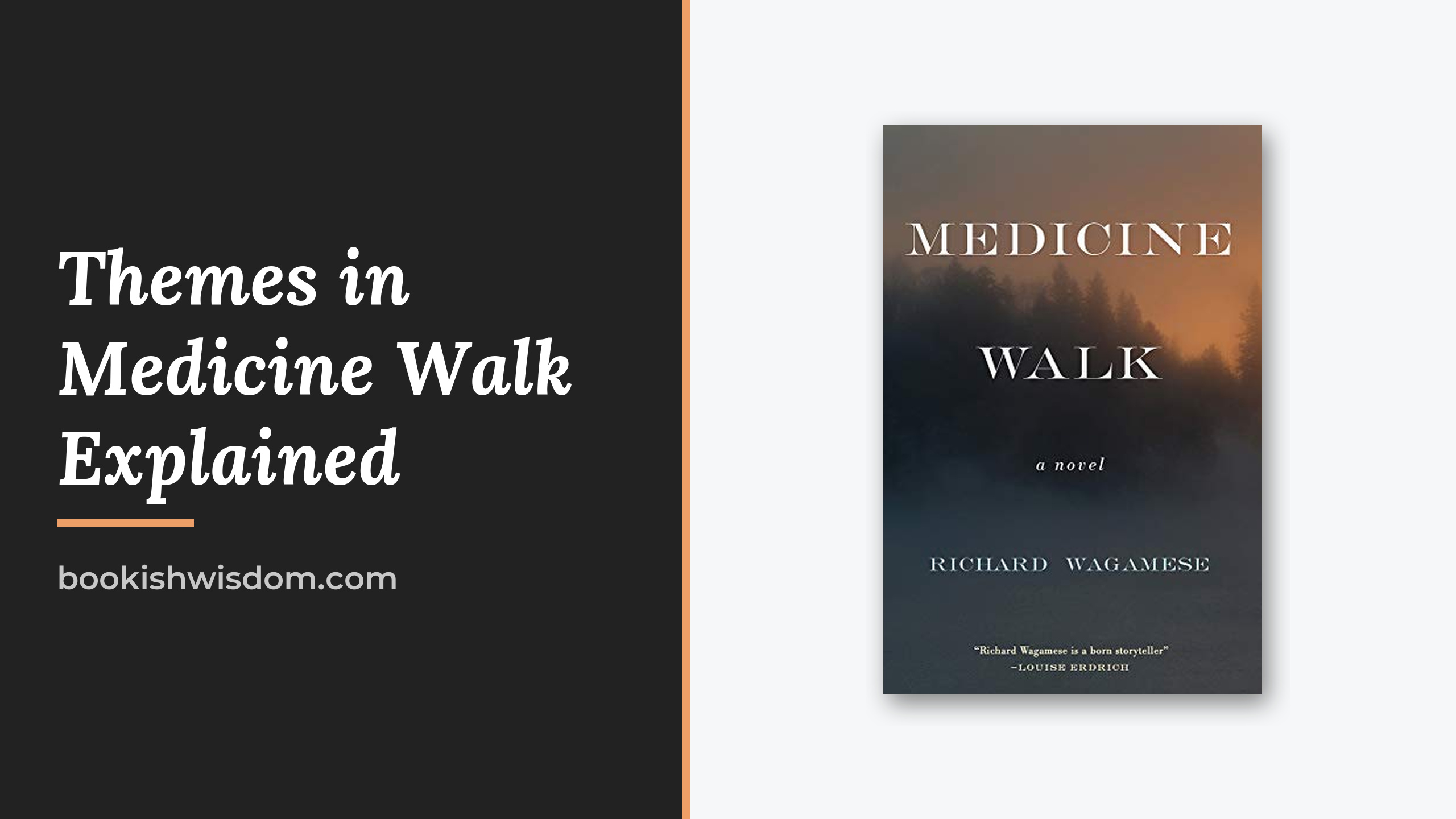
Quick answer: The main themes in Medicine Walk by Richard Wagamese are fathers and sons, storytelling and memory, Indigenous identity, addiction and its cost and nature and self-reliance. Each is explained below with what it means, how it develops in the story and questions you can use for study or discussion.
Quick facts
- Book: Medicine Walk by Richard Wagamese
- First published: 2014
- Main themes: fathers and sons, storytelling and memory, Indigenous identity, addiction and its cost and nature and self-reliance
Table of Contents
About Medicine Walk
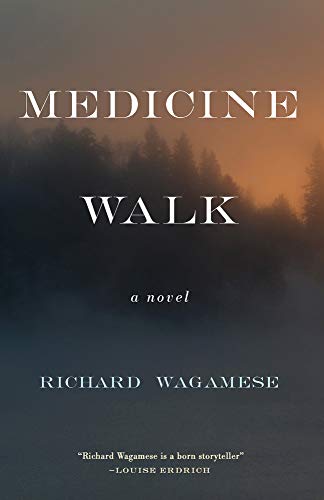
Sixteen-year-old Franklin Starlight has been raised by a kind old man on a farm in the British Columbia interior. One day he is summoned by his estranged father, Eldon, an alcoholic who is dying from liver failure. Eldon asks Frank to take him deep into the mountains and bury him sitting up, facing east, in the warrior way of their Ojibwe ancestors. As they ride through the wilderness, Eldon finally tells his son the story of his life: his hard childhood, his war in Korea and his love for Frank's mother.
Check price of Medicine Walk on Amazon
The Main Themes in Medicine Walk
1. Fathers and sons
Frank and Eldon barely know each other, and Frank is angry at a father who was never there. Wagamese explores how a son can come to understand, and perhaps forgive, a father who failed him.
Question to consider: Where in Medicine Walk does fathers and sons matter most to the characters, and what does Richard Wagamese want readers to think about it?
2. Storytelling and memory
Eldon's stories reveal the past Frank never knew. The novel shows storytelling as a way to heal wounds, pass on identity and make sense of a life.
Question to consider: Where in Medicine Walk does storytelling and memory matter most to the characters, and what does Richard Wagamese want readers to think about it?
3. Indigenous identity
Frank is learning about his Ojibwe heritage and his connection to the land. The novel explores Indigenous identity and how it is passed down or lost.
Question to consider: Where in Medicine Walk does Indigenous identity matter most to the characters, and what does Richard Wagamese want readers to think about it?
4. Addiction and its cost
Eldon's alcoholism has destroyed his health and relationships. The book shows addiction's damage with compassion, not judgement.
Question to consider: Where in Medicine Walk does addiction and its cost matter most to the characters, and what does Richard Wagamese want readers to think about it?
5. Nature and self-reliance
Frank is skilled in the wilderness, and the land becomes a place of healing.
Question to consider: Where in Medicine Walk does nature and self-reliance matter most to the characters, and what does Richard Wagamese want readers to think about it?
Symbols and Motifs
- The mountains. They represent heritage, peace and the end of Eldon's journey.
- Frank's horse. The horse symbolises independence and Frank's quiet strength.
- The old man. He stands for mentorship and true fatherhood.
- The burial. It represents completion and reconciliation.
How the Themes Connect
Fathers and sons are the novel's heart, while storytelling and memory reveal Eldon's past and give Frank a history. Indigenous identity grounds the story in land and heritage, and addiction explains Eldon's failures. Nature ties it together, as the wilderness becomes the place where father and son finally meet. Wagamese's spare, beautiful prose makes it a powerful story of forgiveness.
How to Write About the Themes of Medicine Walk
If you are writing an essay or preparing for class, these steps help:
- Pick one theme. A focused argument is stronger than a list of everything.
- Find evidence in the text. Point to specific scenes, characters and choices rather than general impressions.
- Explain, don't just describe. After each example, say what it shows about the theme.
- Connect to the ending. Ask how the final chapters resolve or complicate the theme.
- Consider other readings. A fair essay acknowledges that readers can disagree.
Discussion Questions
- Which of the themes above feels most relevant to your own life, and why?
- Do the characters in Medicine Walk handle fathers and sons well or badly?
- How does the title relate to the themes of the book?
- Would the story change if it were set in a different time or place?
- What does Richard Wagamese leave unresolved, and why might that be?
Books With Similar Themes
- Indian Horse by Richard Wagamese
- All the Pretty Horses by Cormac McCarthy
Related: Medicine Walk Book Club Discussion Questions
Frequently Asked Questions
What is the main theme of Medicine Walk?
The central theme is fathers and sons, supported by storytelling and memory and Indigenous identity.
How many themes does Medicine Walk have?
This guide covers 5 main themes, but readers may find others.
Who wrote Medicine Walk?
Medicine Walk was written by Richard Wagamese and first published in 2014.
Is Medicine Walk a good book for studying themes?
Yes. Its themes are clear enough to follow and rich enough to support essays and group discussion.
What should I read after Medicine Walk?
Try Indian Horse by Richard Wagamese or All the Pretty Horses by Cormac McCarthy.