
Disclosure: As an Amazon Associate, Bookish Wisdom earns from qualifying purchases. This doesn't change our picks or your price.
Spoiler warning: this analysis discusses the whole book, including the ending of Like Water for Chocolate.
Quick answer: The main themes in Like Water for Chocolate by Laura Esquivel are love and passion, family tradition and oppression, food and emotion, freedom and rebellion and women's lives. Each is explained below with what it means, how it develops in the story and questions you can use for study or discussion.
Quick facts
- Book: Like Water for Chocolate by Laura Esquivel
- First published: 1989
- Main themes: love and passion, family tradition and oppression, food and emotion, freedom and rebellion and women's lives
Table of Contents
About Like Water for Chocolate
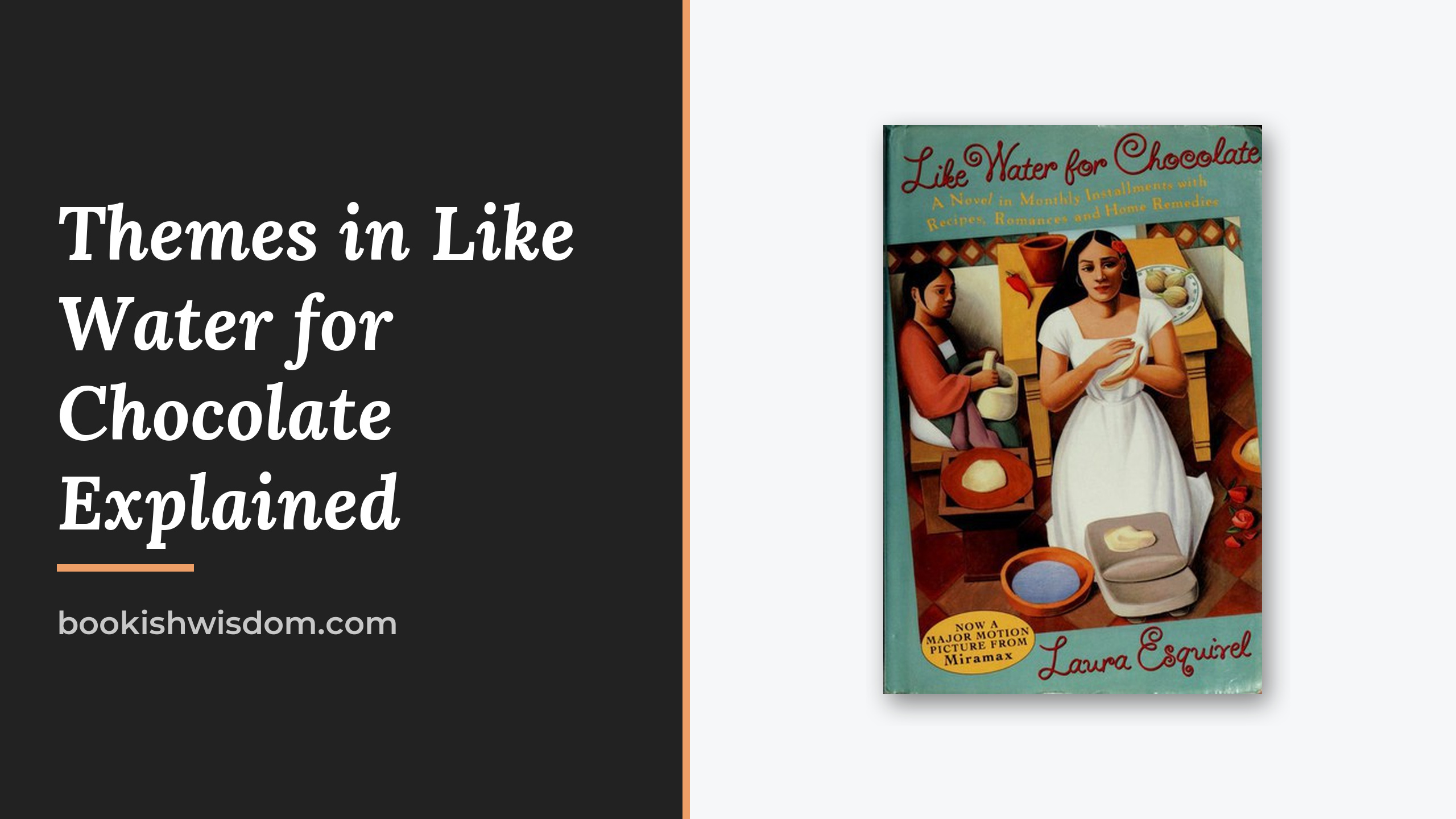
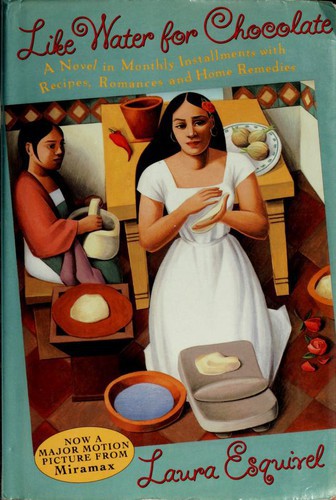
In Mexico during the revolution, Tita De la Garza is the youngest daughter in her family, and tradition says she must never marry but care for her mother until she dies. When Pedro asks for her hand, her mother offers her sister Rosaura instead. Pedro marries Rosaura to stay near Tita. Tita pours her emotions into her cooking, and her feelings magically pass to everyone who eats her food. Each chapter begins with a recipe.
Check price of Like Water for Chocolate on Amazon
The Main Themes in Like Water for Chocolate
1. Love and passion
Tita and Pedro's love lasts for decades despite every obstacle. The novel shows passion as powerful and sometimes dangerous.
Question to consider: Where in Like Water for Chocolate does love and passion matter most to the characters, and what does Laura Esquivel want readers to think about it?
2. Family tradition and oppression
Mama Elena enforces a cruel tradition that keeps Tita from marrying. The book criticises traditions that limit women's freedom.
Question to consider: Where in Like Water for Chocolate does family tradition and oppression matter most to the characters, and what does Laura Esquivel want readers to think about it?
3. Food and emotion
Tita's cooking carries her feelings to others. Esquivel uses magic realism to show food as a form of expression and power.
Question to consider: Where in Like Water for Chocolate does food and emotion matter most to the characters, and what does Laura Esquivel want readers to think about it?
4. Freedom and rebellion
Tita slowly rebels against her mother. The novel celebrates women taking control of their own lives.
Question to consider: Where in Like Water for Chocolate does freedom and rebellion matter most to the characters, and what does Laura Esquivel want readers to think about it?
5. Women's lives
The book shows different women's choices and constraints. It explores female strength in a world of strict rules.
Question to consider: Where in Like Water for Chocolate does women's lives matter most to the characters, and what does Laura Esquivel want readers to think about it?
Symbols and Motifs
- The kitchen. It represents Tita's space of power and creativity.
- The recipes. They symbolise tradition and memory.
- The bedspread. Tita's endless knitting represents grief and longing.
- The matches. They stand for passion and inner fire.
How the Themes Connect
Love and passion drive the story, while tradition holds Tita back. Food lets her express feelings she cannot speak, and her rebellion shows the strength of women. Together the themes celebrate freedom and emotion.
How to Write About the Themes of Like Water for Chocolate
If you are writing an essay or preparing for class, these steps help:
- Pick one theme. A focused argument is stronger than a list of everything.
- Find evidence in the text. Point to specific scenes, characters and choices rather than general impressions.
- Explain, don't just describe. After each example, say what it shows about the theme.
- Connect to the ending. Ask how the final chapters resolve or complicate the theme.
- Consider other readings. A fair essay acknowledges that readers can disagree.
Discussion Questions
- Which of the themes above feels most relevant to your own life, and why?
- Do the characters in Like Water for Chocolate handle love and passion well or badly?
- How does the title relate to the themes of the book?
- Would the story change if it were set in a different time or place?
- What does Laura Esquivel leave unresolved, and why might that be?
Books With Similar Themes
- One Hundred Years of Solitude by Gabriel Garcia Marquez
- The House on Mango Street by Sandra Cisneros
Related: Like Water for Chocolate by Laura Esquivel: Summary and Key Takeaways · Like Water for Chocolate Ending Explained
Frequently Asked Questions
What is the main theme of Like Water for Chocolate?
The central theme is love and passion, supported by family tradition and oppression and food and emotion.
How many themes does Like Water for Chocolate have?
This guide covers 5 main themes, but readers may find others.
Who wrote Like Water for Chocolate?
Like Water for Chocolate was written by Laura Esquivel and first published in 1989.
Is Like Water for Chocolate a good book for studying themes?
Yes. Its themes are clear enough to follow and rich enough to support essays and group discussion.
What should I read after Like Water for Chocolate?
Try One Hundred Years of Solitude by Gabriel Garcia Marquez or The House on Mango Street by Sandra Cisneros.
How We Chose These Books
Every pick is a real, widely available book that shares something specific with the book you loved: its tone, its themes, its pace or the kind of characters it puts at the center. We mixed well-known favorites with a few less obvious titles, and we noted who each book suits best so you can match it to the reader. Where a book belongs to a series, we list the first volume so you can start at the beginning.
If you are not sure where to begin, start with the first three picks in the table: they are the closest match to the book you loved. The rest of the list moves further out, so it works well once you know which part of the original you liked most. If a pick is part of a longer series, read the first book before you commit, and check the age or content notes in the table before passing a book to a younger reader.