
Disclosure: As an Amazon Associate, Bookish Wisdom earns from qualifying purchases. This doesn't change our picks or your price.
Spoiler warning: this analysis discusses the whole book, including the ending of Lord of the Flies.
Quick answer: The main themes in Lord of the Flies by William Golding are civilisation and savagery, power and leadership, fear, loss of innocence and human nature. Each is explained below with what it means, how it develops in the story and questions you can use for study or discussion.
Quick facts
- Book: Lord of the Flies by William Golding
- First published: 1954
- Main themes: civilisation and savagery, power and leadership, fear, loss of innocence and human nature
Table of Contents
About Lord of the Flies
During a war, a plane carrying a group of British schoolboys crashes on a deserted tropical island. With no adults, the boys elect Ralph as leader and use a conch shell to call meetings. At first they try to build shelters and keep a signal fire going, but Jack and his hunters become more interested in killing pigs. Fear of a mysterious “beast” grows, order breaks down and the island descends into violence.
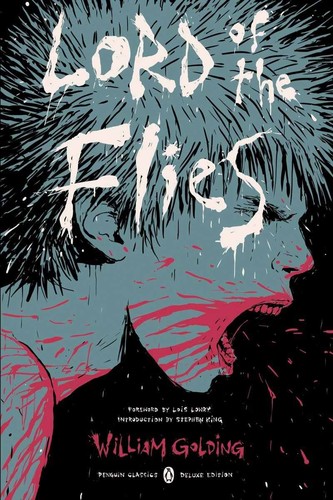
Check price of Lord of the Flies on Amazon
The Main Themes in Lord of the Flies
1. Civilisation and savagery
Golding shows how quickly the boys abandon rules once no adults are present. The novel suggests that civilisation is a thin layer over darker human instincts.
Question to consider: Where in Lord of the Flies does civilisation and savagery matter most to the characters, and what does William Golding want readers to think about it?
2. Power and leadership
Ralph leads with reason, while Jack leads through fear and excitement. Their rivalry shows different kinds of power and why people sometimes follow the wrong leader.
Question to consider: Where in Lord of the Flies does power and leadership matter most to the characters, and what does William Golding want readers to think about it?
3. Fear
The boys' fear of the beast drives them to violence. Golding shows how fear can be manipulated and how it can destroy communities.
Question to consider: Where in Lord of the Flies does fear matter most to the characters, and what does William Golding want readers to think about it?
4. Loss of innocence
The boys arrive as children but become killers. Ralph's tears at the end mourn the loss of innocence.
Question to consider: Where in Lord of the Flies does loss of innocence matter most to the characters, and what does William Golding want readers to think about it?
5. Human nature
The novel asks whether evil comes from inside people rather than outside. Golding's answer is dark and unsettling.
Question to consider: Where in Lord of the Flies does human nature matter most to the characters, and what does William Golding want readers to think about it?
Symbols and Motifs
- The conch. It represents order and democracy.
- Piggy's glasses. They symbolise reason and science.
- The beast. It stands for the fear and darkness inside the boys.
- The signal fire. It represents hope of rescue.
How the Themes Connect
Civilisation and savagery frame the story, while power and leadership decide which side wins. Fear fuels the descent, and loss of innocence is the cost. Golding's view of human nature ties it all together, warning that the darkness lies within.
How to Write About the Themes of Lord of the Flies
If you are writing an essay or preparing for class, these steps help:
- Pick one theme. A focused argument is stronger than a list of everything.
- Find evidence in the text. Point to specific scenes, characters and choices rather than general impressions.
- Explain, don't just describe. After each example, say what it shows about the theme.
- Connect to the ending. Ask how the final chapters resolve or complicate the theme.
- Consider other readings. A fair essay acknowledges that readers can disagree.
Discussion Questions
- Which of the themes above feels most relevant to your own life, and why?
- Do the characters in Lord of the Flies handle civilisation and savagery well or badly?
- How does the title relate to the themes of the book?
- Would the story change if it were set in a different time or place?
- What does William Golding leave unresolved, and why might that be?
Books With Similar Themes
- The Hunger Games by Suzanne Collins
- Animal Farm by George Orwell
Related: Lord of the Flies by William Golding: Summary and Key Takeaways · Lord of the Flies Ending Explained
Frequently Asked Questions
What is the main theme of Lord of the Flies?
The central theme is civilisation and savagery, supported by power and leadership and fear.
How many themes does Lord of the Flies have?
This guide covers 5 main themes, but readers may find others.
Who wrote Lord of the Flies?
Lord of the Flies was written by William Golding and first published in 1954.
Is Lord of the Flies a good book for studying themes?
Yes. Its themes are clear enough to follow and rich enough to support essays and group discussion.
What should I read after Lord of the Flies?
Try The Hunger Games by Suzanne Collins or Animal Farm by George Orwell.