
Disclosure: As an Amazon Associate, Bookish Wisdom earns from qualifying purchases. This doesn't change our picks or your price.
Spoiler warning: this analysis discusses the whole book, including the ending of Main Street.
Quick answer: The main themes in Main Street by Sinclair Lewis are small-town conformity, idealism versus reality, the role of women, marriage and compromise and American self-satisfaction. Each is explained below with what it means, how it develops in the story and questions you can use for study or discussion.
Quick facts
- Book: Main Street by Sinclair Lewis
- First published: 1920
- Main themes: small-town conformity, idealism versus reality, the role of women, marriage and compromise and American self-satisfaction
Table of Contents
About Main Street
Carol Milford, a lively young librarian from St. Paul, marries Will Kennicott, a kind but practical doctor, and moves to his small prairie town of Gopher Prairie, Minnesota. She is shocked by its ugly main street, narrow gossip and smug resistance to new ideas. Carol tries to bring beauty and culture through plays, clubs and reforms, but the town resists her at every turn. After years of frustration, she leaves for Washington, D.C., during the First World War, then returns, partly defeated but still refusing to give up her dreams.
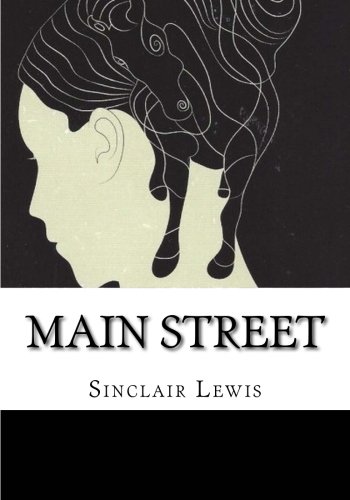
Check price of Main Street on Amazon
The Main Themes in Main Street
1. Small-town conformity
Gopher Prairie expects everyone to think, dress and talk the same way. Lewis shows how gossip and fear of difference punish anyone who stands out, and Carol's every suggestion is treated as an insult. The town's sameness becomes a quiet kind of prison.
Question to consider: Where in Main Street does small-town conformity matter most to the characters, and what does Sinclair Lewis want readers to think about it?
2. Idealism versus reality
Carol arrives full of plans to make the town beautiful, but her ideas are often vague and naive. Lewis lets readers see both her courage and her impatience, so the theme is not simple. Dreams need practical work as well as passion.
Question to consider: Where in Main Street does idealism versus reality matter most to the characters, and what does Sinclair Lewis want readers to think about it?
3. The role of women
Carol wants meaningful work beyond keeping house, but the town expects a doctor's wife to be decorative and dutiful. Her restlessness reflects the changing hopes of American women around the time they won the vote in 1920.
Question to consider: Where in Main Street does the role of women matter most to the characters, and what does Sinclair Lewis want readers to think about it?
4. Marriage and compromise
Carol and Will love each other but want different lives. Their marriage survives through mutual compromise, which Lewis presents as realistic rather than romantic. Neither gets everything they want.
Question to consider: Where in Main Street does marriage and compromise matter most to the characters, and what does Sinclair Lewis want readers to think about it?
5. American self-satisfaction
The townspeople believe Gopher Prairie is the best place on earth, though they have seen little else. Lewis satirizes the boosterism and smugness he saw across small-town America.
Question to consider: Where in Main Street does American self-satisfaction matter most to the characters, and what does Sinclair Lewis want readers to think about it?
Symbols and Motifs
- Main Street. The ugly, dusty street stands for the whole town's lack of imagination and beauty.
- The prairie. The vast open land suggests possibilities that the town refuses to see.
- Carol's plays and clubs. Her cultural projects symbolize her hope for change and the town's resistance to it.
- Washington. The capital represents a wider world of work and ideas that Carol briefly joins.
How the Themes Connect
The themes connect through Carol's struggle with conformity. The town's smugness, its narrow view of women and the limits of her marriage all press her toward giving up her ideals. Lewis does not make Carol a perfect heroine, so readers must weigh her idealism against her impatience. The novel was a huge bestseller and helped Lewis become the first American to win the Nobel Prize in Literature in 1930.
How to Write About the Themes of Main Street
If you are writing an essay or preparing for class, these steps help:
- Pick one theme. A focused argument is stronger than a list of everything.
- Find evidence in the text. Point to specific scenes, characters and choices rather than general impressions.
- Explain, don't just describe. After each example, say what it shows about the theme.
- Connect to the ending. Ask how the final chapters resolve or complicate the theme.
- Consider other readings. A fair essay acknowledges that readers can disagree.
Discussion Questions
- Which of the themes above feels most relevant to your own life, and why?
- Do the characters in Main Street handle small-town conformity well or badly?
- How does the title relate to the themes of the book?
- Would the story change if it were set in a different time or place?
- What does Sinclair Lewis leave unresolved, and why might that be?
Books With Similar Themes
-
Babbitt by Sinclair Lewis
-

Winesburg, Ohio by Sherwood Anderson
Related: Main Street by Sinclair Lewis: Summary and Key Takeaways · Sinclair Lewis Books in Order: Complete Reading List
Frequently Asked Questions
What is the main theme of Main Street?
The central theme is small-town conformity, supported by idealism versus reality and the role of women.
How many themes does Main Street have?
This guide covers 5 main themes, but readers may find others.
Who wrote Main Street?
Main Street was written by Sinclair Lewis and first published in 1920.
Is Main Street a good book for studying themes?
Yes. Its themes are clear enough to follow and rich enough to support essays and group discussion.
What should I read after Main Street?
Try Babbitt by Sinclair Lewis or Winesburg, Ohio by Sherwood Anderson.