
Disclosure: As an Amazon Associate, Bookish Wisdom earns from qualifying purchases. This doesn't change our picks or your price.
Spoiler warning: this analysis discusses the whole book, including the ending of Babbitt.
Quick answer: The main themes in Babbitt by Sinclair Lewis are conformity and peer pressure, materialism, the emptiness of success, friendship and fathers and sons. Each is explained below with what it means, how it develops in the story and questions you can use for study or discussion.
Quick facts
- Book: Babbitt by Sinclair Lewis
- First published: 1922
- Main themes: conformity and peer pressure, materialism, the emptiness of success, friendship and fathers and sons
Table of Contents
About Babbitt
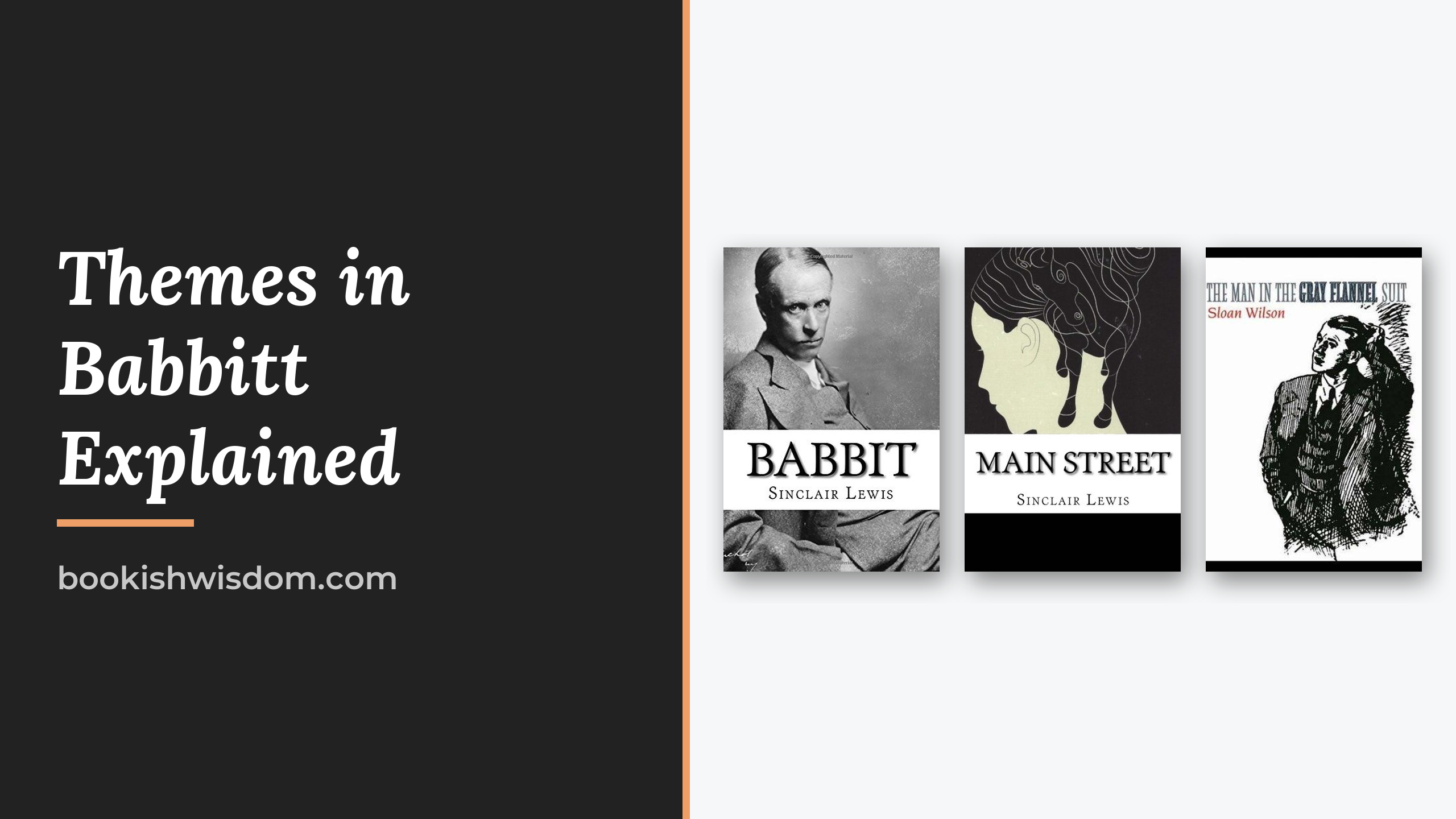
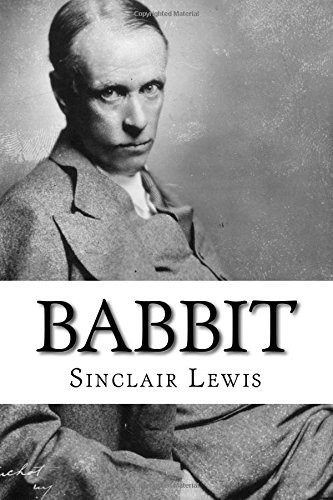
George F. Babbitt is a prosperous real estate agent in Zenith, a booming Midwestern city. He owns a modern house, a car and every new gadget, joins the right clubs and repeats the opinions of his business friends. At forty-six, he begins to feel empty. After his best friend Paul Riesling is jailed for shooting his wife, Babbitt rebels by flirting with liberal ideas and a widow named Tanis Judique, until pressure from his friends and his wife's sudden illness pull him back into line. At the end he encourages his son to live the life he never dared to.
Check price of Babbitt on Amazon
The Main Themes in Babbitt
1. Conformity and peer pressure
Babbitt's opinions come from newspapers, clubs and neighbors. When he briefly questions them, his business friends shun him and his trade dries up. Lewis shows how social pressure keeps people in line more effectively than law.
Question to consider: Where in Babbitt does conformity and peer pressure matter most to the characters, and what does Sinclair Lewis want readers to think about it?
2. Materialism
Babbitt measures success by possessions, from his alarm clock to his car. Yet none of his things satisfy him. Lewis mocks a culture that confuses buying with living.
Question to consider: Where in Babbitt does materialism matter most to the characters, and what does Sinclair Lewis want readers to think about it?
3. The emptiness of success
Babbitt has everything his society values but feels he has never done anything he really wanted. His midlife crisis reveals the hollow core of his comfortable life.
Question to consider: Where in Babbitt does the emptiness of success matter most to the characters, and what does Sinclair Lewis want readers to think about it?
4. Friendship
Babbitt's love for Paul Riesling is his most genuine emotion. Paul's ruin forces Babbitt to question the world around him.
Question to consider: Where in Babbitt does friendship matter most to the characters, and what does Sinclair Lewis want readers to think about it?
5. Fathers and sons
In the final scene, Babbitt tells his son Ted to follow his own path. The hope for change passes to the next generation.
Question to consider: Where in Babbitt does fathers and sons matter most to the characters, and what does Sinclair Lewis want readers to think about it?
Symbols and Motifs
- Zenith. The booming city of skyscrapers and boosters stands for American commercial optimism.
- The alarm clock and gadgets. Babbitt's beloved devices symbolize a life built around modern conveniences rather than meaning.
- The Good Citizens' League. The group represents organized conformity and the policing of opinions.
- The dream fairy. Babbitt's recurring daydream of a young woman calling him shows his longing for escape.
How the Themes Connect
Conformity, materialism and empty success form a single picture of a man who has never chosen his own life. His friendship with Paul and his hope for his son show what he has lost. The novel's success turned the word babbitt into a dictionary term for a self-satisfied, conformist businessman.
How to Write About the Themes of Babbitt
If you are writing an essay or preparing for class, these steps help:
- Pick one theme. A focused argument is stronger than a list of everything.
- Find evidence in the text. Point to specific scenes, characters and choices rather than general impressions.
- Explain, don't just describe. After each example, say what it shows about the theme.
- Connect to the ending. Ask how the final chapters resolve or complicate the theme.
- Consider other readings. A fair essay acknowledges that readers can disagree.
Discussion Questions
- Which of the themes above feels most relevant to your own life, and why?
- Do the characters in Babbitt handle conformity and peer pressure well or badly?
- How does the title relate to the themes of the book?
- Would the story change if it were set in a different time or place?
- What does Sinclair Lewis leave unresolved, and why might that be?
Books With Similar Themes
-
Main Street by Sinclair Lewis
-
The Man in the Gray Flannel Suit by Sloan Wilson
Related: Babbitt by Sinclair Lewis: Summary and Key Takeaways · 15 Books Like Babbitt You’ll Love
Frequently Asked Questions
What is the main theme of Babbitt?
The central theme is conformity and peer pressure, supported by materialism and the emptiness of success.
How many themes does Babbitt have?
This guide covers 5 main themes, but readers may find others.
Who wrote Babbitt?
Babbitt was written by Sinclair Lewis and first published in 1922.
Is Babbitt a good book for studying themes?
Yes. Its themes are clear enough to follow and rich enough to support essays and group discussion.
What should I read after Babbitt?
Try Main Street by Sinclair Lewis or The Man in the Gray Flannel Suit by Sloan Wilson.