
Disclosure: As an Amazon Associate, Bookish Wisdom earns from qualifying purchases. This doesn't change our picks or your price.
Spoiler warning: this analysis discusses the whole book, including the ending of My Cousin Rachel.
Quick answer: The main themes in My Cousin Rachel by Daphne du Maurier are suspicion and uncertainty, obsession, gender and power, innocence and inexperience and inheritance. Each is explained below with what it means, how it develops in the story and questions you can use for study or discussion.
Quick facts
- Book: My Cousin Rachel by Daphne du Maurier
- First published: 1951
- Main themes: suspicion and uncertainty, obsession, gender and power, innocence and inexperience and inheritance
Table of Contents
About My Cousin Rachel
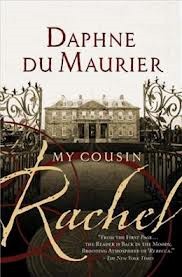
Philip Ashley, an orphan raised by his older cousin Ambrose on a Cornish estate, is shocked when Ambrose marries a widow named Rachel while in Italy and then dies there, after sending letters that suggest she was poisoning him. When Rachel arrives in Cornwall, Philip plans to confront her but instead falls in love. He gives her the family jewels and plans to sign over his estate, until new suspicions return. The novel never reveals whether Rachel was guilty.
Check price of My Cousin Rachel on Amazon
The Main Themes in My Cousin Rachel
1. Suspicion and uncertainty
Philip can never be sure whether Rachel is a murderer or an innocent woman. Du Maurier leaves the question unanswered, so readers share his doubt.
Question to consider: Where in My Cousin Rachel does suspicion and uncertainty matter most to the characters, and what does Daphne du Maurier want readers to think about it?
2. Obsession
Philip's love quickly becomes all-consuming. His jealousy and desire cloud his judgment.
Question to consider: Where in My Cousin Rachel does obsession matter most to the characters, and what does Daphne du Maurier want readers to think about it?
3. Gender and power
Rachel has no money or legal rights of her own. Her actions may be manipulation or simply survival in a world controlled by men.
Question to consider: Where in My Cousin Rachel does gender and power matter most to the characters, and what does Daphne du Maurier want readers to think about it?
4. Innocence and inexperience
Philip has grown up among men and knows little about women. His naivety makes him easy to deceive, or easy to mislead himself.
Question to consider: Where in My Cousin Rachel does innocence and inexperience matter most to the characters, and what does Daphne du Maurier want readers to think about it?
5. Inheritance
The estate, jewels and money shape every relationship. Wealth makes love and trust hard to separate.
Question to consider: Where in My Cousin Rachel does inheritance matter most to the characters, and what does Daphne du Maurier want readers to think about it?
Symbols and Motifs
- Laburnum seeds. The poisonous seeds suggest Rachel's possible guilt.
- The tisana. Rachel's herbal tea may be healing or deadly, mirroring the novel's uncertainty.
- The pearl necklace. The family jewels symbolize Philip's devotion and his power over Rachel.
- Ambrose's letters. They plant the suspicion that drives the story.
How the Themes Connect
The themes connect through doubt. Philip's obsession and inexperience prevent him from seeing clearly, while the unequal power between men and women makes Rachel's motives impossible to judge. The famous last line returns to the question of her guilt. Readers and critics still argue about Rachel's guilt, and du Maurier herself said she did not know the answer. The novel has been filmed twice, in 1952 with Olivia de Havilland and in 2017 with Rachel Weisz, and each version leans a different way. That open ending makes the book a favorite for book clubs and essays about unreliable narrators, since everything we learn comes through Philip's jealous eyes.
How to Write About the Themes of My Cousin Rachel
If you are writing an essay or preparing for class, these steps help:
- Pick one theme. A focused argument is stronger than a list of everything.
- Find evidence in the text. Point to specific scenes, characters and choices rather than general impressions.
- Explain, don't just describe. After each example, say what it shows about the theme.
- Connect to the ending. Ask how the final chapters resolve or complicate the theme.
- Consider other readings. A fair essay acknowledges that readers can disagree.
Discussion Questions
- Which of the themes above feels most relevant to your own life, and why?
- Do the characters in My Cousin Rachel handle suspicion and uncertainty well or badly?
- How does the title relate to the themes of the book?
- Would the story change if it were set in a different time or place?
- What does Daphne du Maurier leave unresolved, and why might that be?
Books With Similar Themes

Related: My Cousin Rachel by Daphne du Maurier: Summary and Key Takeaways · My Cousin Rachel Characters: A Complete Guide
Frequently Asked Questions
What is the main theme of My Cousin Rachel?
The central theme is suspicion and uncertainty, supported by obsession and gender and power.
How many themes does My Cousin Rachel have?
This guide covers 5 main themes, but readers may find others.
Who wrote My Cousin Rachel?
My Cousin Rachel was written by Daphne du Maurier and first published in 1951.
Is My Cousin Rachel a good book for studying themes?
Yes. Its themes are clear enough to follow and rich enough to support essays and group discussion.
What should I read after My Cousin Rachel?
Try Rebecca by Daphne du Maurier or Gone Girl by Gillian Flynn.