
Disclosure: As an Amazon Associate, Bookish Wisdom earns from qualifying purchases. This doesn't change our picks or your price.
Spoiler warning: this analysis discusses the whole book, including the ending of Neverwhere.
Quick answer: The main themes in Neverwhere by Neil Gaiman are the invisible and the forgotten, identity, courage and growth, home and belonging and trust and betrayal. Each is explained below with what it means, how it develops in the story and questions you can use for study or discussion.
Quick facts
- Book: Neverwhere by Neil Gaiman
- First published: 1996
- Main themes: the invisible and the forgotten, identity, courage and growth, home and belonging and trust and betrayal
Table of Contents
About Neverwhere
Richard Mayhew, a young Scottish office worker in London, stops on the way to a dinner with his bossy fiancee, Jessica, to help an injured girl lying on the pavement. Her name is Door, and helping her costs him everything: the next day, his fiancee, his landlord and his colleagues no longer know who he is. To get his life back, Richard follows Door into London Below, a hidden city beneath the streets, full of people who have fallen through the cracks. Door is hunting for whoever ordered the murder of her family, while being pursued by the sinister assassins Mr. Croup and Mr. Vandemar. Richard joins her, along with the Marquis de Carabas and the bodyguard Hunter.
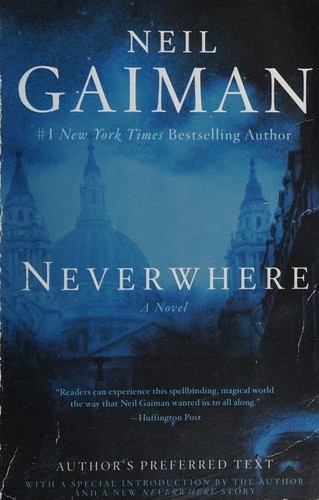
Check price of Neverwhere on Amazon
The Main Themes in Neverwhere
1. The invisible and the forgotten
London Below is home to those society ignores, such as the homeless and the overlooked. Gaiman asks readers to notice the people they step past every day.
Question to consider: Where in Neverwhere does the invisible and the forgotten matter most to the characters, and what does Neil Gaiman want readers to think about it?
2. Identity
Richard loses his old identity overnight and slowly discovers a braver, kinder self. The novel suggests that who we are depends on our choices, not our jobs or possessions.
Question to consider: Where in Neverwhere does identity matter most to the characters, and what does Neil Gaiman want readers to think about it?
3. Courage and growth
Richard begins as a timid man who follows others. Through trials in London Below he becomes a hero, though he never stops being gentle.
Question to consider: Where in Neverwhere does courage and growth matter most to the characters, and what does Neil Gaiman want readers to think about it?
4. Home and belonging
Richard longs to return to his ordinary life, but when he finally does, it feels empty. He must decide where he truly belongs.
Question to consider: Where in Neverwhere does home and belonging matter most to the characters, and what does Neil Gaiman want readers to think about it?
5. Trust and betrayal
Allies in London Below are not always what they seem, and Richard learns to judge people by their actions.
Question to consider: Where in Neverwhere does trust and betrayal matter most to the characters, and what does Neil Gaiman want readers to think about it?
Symbols and Motifs
- London Below. The hidden city represents the lives society ignores, and its place names turn London's maps into living characters.
- Door's ability. Door can open any door, symbolizing new possibilities and escape.
- The Ordeal of the Key. Richard's frightening test represents facing his deepest fears and self-doubt.
- The Marquis's coat. The magnificent coat stands for identity and the Marquis's clever, untrustworthy charm.
How the Themes Connect
The themes connect through Richard's journey from forgotten office worker to hero. London Below shows him the invisible people of the city and teaches him courage, loyalty and a new sense of home. Gaiman first wrote the story as a 1996 BBC television series and then turned it into a novel, later adding a short sequel story. Its playful take on real London Underground station names, such as Knightsbridge and Earl's Court, delights readers who know the city. Fans of Gaiman often start with this book, and it has been adapted as a radio play starring James McAvoy and Benedict Cumberbatch.
How to Write About the Themes of Neverwhere
If you are writing an essay or preparing for class, these steps help:
- Pick one theme. A focused argument is stronger than a list of everything.
- Find evidence in the text. Point to specific scenes, characters and choices rather than general impressions.
- Explain, don't just describe. After each example, say what it shows about the theme.
- Connect to the ending. Ask how the final chapters resolve or complicate the theme.
- Consider other readings. A fair essay acknowledges that readers can disagree.
Discussion Questions
- Which of the themes above feels most relevant to your own life, and why?
- Do the characters in Neverwhere handle the invisible and the forgotten well or badly?
- How does the title relate to the themes of the book?
- Would the story change if it were set in a different time or place?
- What does Neil Gaiman leave unresolved, and why might that be?
Books With Similar Themes
-
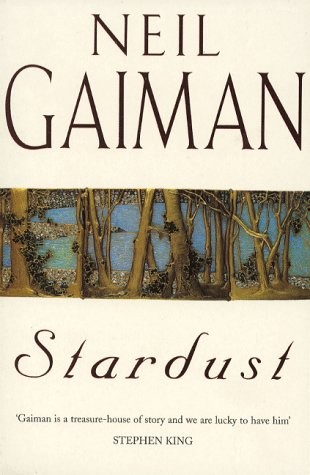
Stardust by Neil Gaiman
-
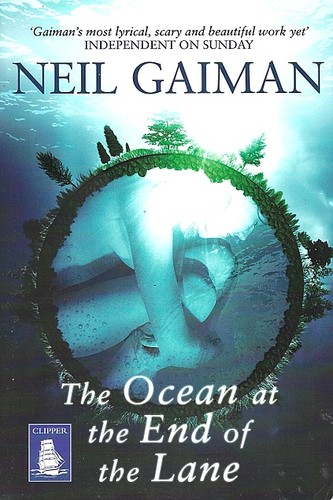
The Ocean at the End of the Lane by Neil Gaiman
Related: Neverwhere by Neil Gaiman: Summary and Key Takeaways · 15 Books Like Neverwhere You’ll Love
Frequently Asked Questions
What is the main theme of Neverwhere?
The central theme is the invisible and the forgotten, supported by identity and courage and growth.
How many themes does Neverwhere have?
This guide covers 5 main themes, but readers may find others.
Who wrote Neverwhere?
Neverwhere was written by Neil Gaiman and first published in 1996.
Is Neverwhere a good book for studying themes?
Yes. Its themes are clear enough to follow and rich enough to support essays and group discussion.
What should I read after Neverwhere?
Try Stardust by Neil Gaiman or The Ocean at the End of the Lane by Neil Gaiman.