
Disclosure: As an Amazon Associate, Bookish Wisdom earns from qualifying purchases. This doesn't change our picks or your price.
Spoiler warning: this analysis discusses the whole book, including the ending of The Name of the Wind.
Quick answer: The main themes in The Name of the Wind by Patrick Rothfuss are storytelling and legend, grief and trauma, knowledge and curiosity, poverty and survival and love. Each is explained below with what it means, how it develops in the story and questions you can use for study or discussion.
Quick facts
- Book: The Name of the Wind by Patrick Rothfuss
- First published: 2007
- Main themes: storytelling and legend, grief and trauma, knowledge and curiosity, poverty and survival and love
Table of Contents
About The Name of the Wind
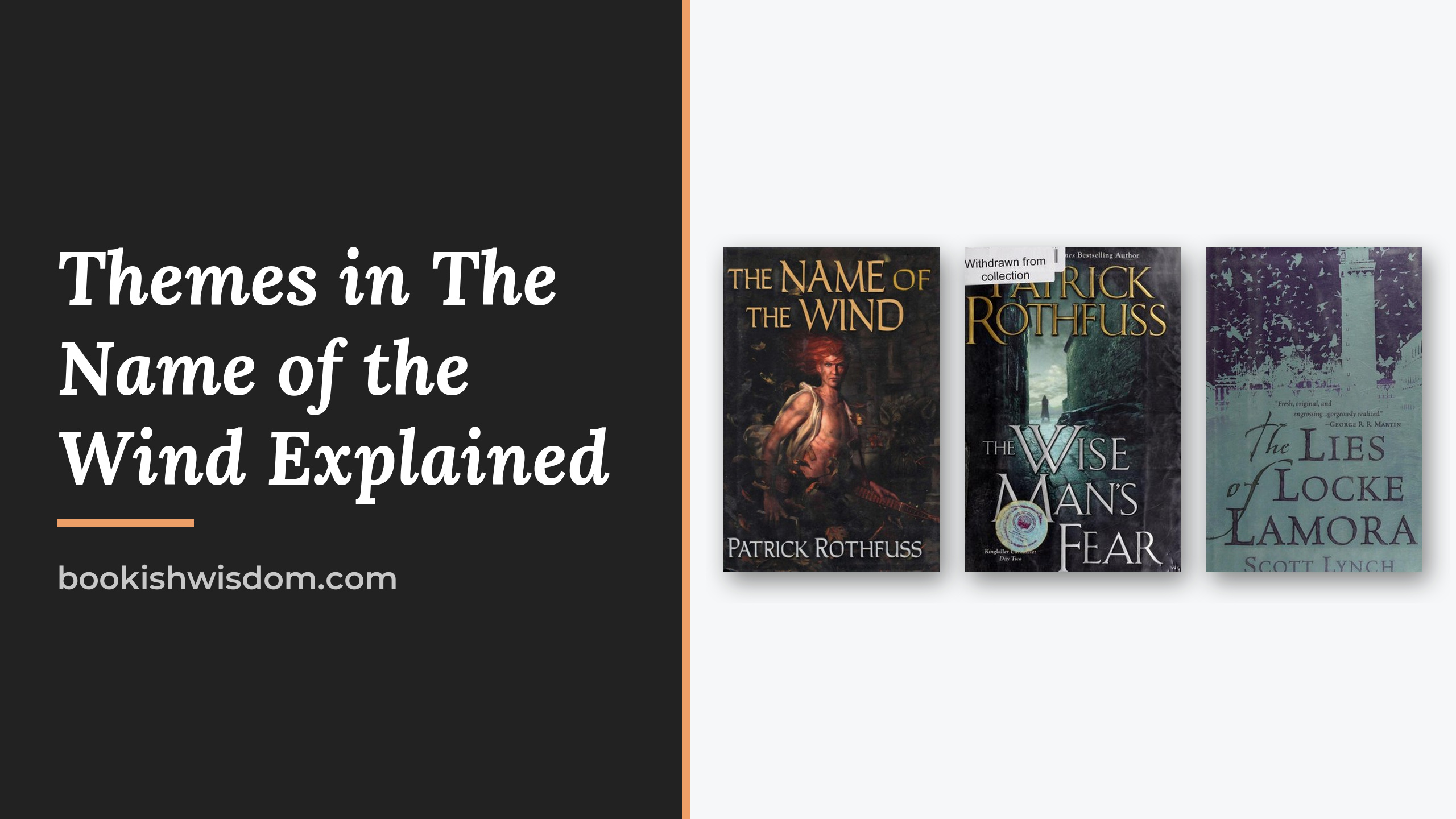
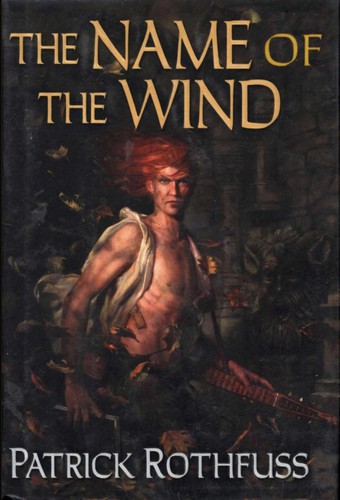
Kote, a quiet innkeeper in a small village, is really Kvothe, a legendary hero, musician and magician who has hidden himself away. When a traveling scribe called Chronicler finds him, Kvothe agrees to tell his true story over three days. The first day covers his childhood with the Edema Ruh, a troupe of traveling performers, their murder by the mysterious Chandrian, three years of starving on the streets of Tarbean and his entry, at fifteen, into the University, where he studies sympathy, a scientific kind of magic. There he makes friends and a dangerous enemy, Ambrose, and falls for the elusive Denna.
Check price of The Name of the Wind on Amazon
The Main Themes in The Name of the Wind
1. Storytelling and legend
Kvothe knows that stories about him have grown larger than the truth, and he wants to set the record straight. The novel asks how much any storyteller, including Kvothe himself, can be trusted.
Question to consider: Where in The Name of the Wind does storytelling and legend matter most to the characters, and what does Patrick Rothfuss want readers to think about it?
2. Grief and trauma
The murder of his parents and troupe shapes Kvothe's whole life. His years in Tarbean show how grief can numb a person and how slowly healing comes.
Question to consider: Where in The Name of the Wind does grief and trauma matter most to the characters, and what does Patrick Rothfuss want readers to think about it?
3. Knowledge and curiosity
Kvothe's hunger to learn drives him to the University, where knowledge brings power and danger. Rothfuss shows learning as an adventure.
Question to consider: Where in The Name of the Wind does knowledge and curiosity matter most to the characters, and what does Patrick Rothfuss want readers to think about it?
4. Poverty and survival
Kvothe constantly struggles to pay tuition and survive. Money worries make him clever and reckless.
Question to consider: Where in The Name of the Wind does poverty and survival matter most to the characters, and what does Patrick Rothfuss want readers to think about it?
5. Love
Kvothe's love for Denna is intense and frustrating, since she appears and vanishes unpredictably.
Question to consider: Where in The Name of the Wind does love matter most to the characters, and what does Patrick Rothfuss want readers to think about it?
Symbols and Motifs
- Music. Kvothe's lute represents his identity, his family and his healing after loss.
- The Chandrian. The mysterious figures with signs such as blue flame represent hidden truths about the past.
- The University. Represents knowledge, ambition and rivalry.
- The Waystone Inn. Kvothe's quiet inn represents his hiding and his lost heroism.
How the Themes Connect
The themes connect through Kvothe's story of loss and ambition. Grief drives his search for the Chandrian, knowledge gives him power and storytelling shapes how he wants to be remembered. The Name of the Wind was Rothfuss's first novel and became a bestseller, followed by The Wise Man's Fear in 2011. The long-awaited third book has not yet been published, which frustrates many fans.
How to Write About the Themes of The Name of the Wind
If you are writing an essay or preparing for class, these steps help:
- Pick one theme. A focused argument is stronger than a list of everything.
- Find evidence in the text. Point to specific scenes, characters and choices rather than general impressions.
- Explain, don't just describe. After each example, say what it shows about the theme.
- Connect to the ending. Ask how the final chapters resolve or complicate the theme.
- Consider other readings. A fair essay acknowledges that readers can disagree.
Discussion Questions
- Which of the themes above feels most relevant to your own life, and why?
- Do the characters in The Name of the Wind handle storytelling and legend well or badly?
- How does the title relate to the themes of the book?
- Would the story change if it were set in a different time or place?
- What does Patrick Rothfuss leave unresolved, and why might that be?
Books With Similar Themes
-
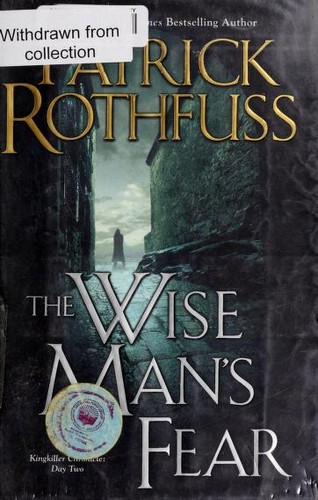
The Wise Man's Fear by Patrick Rothfuss
-
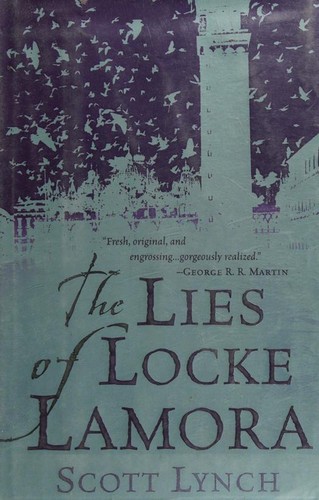
The Lies of Locke Lamora by Scott Lynch
Related: The Name of the Wind by Patrick Rothfuss: Summary and Key Takeaways · 15 Books Like The Name of the Wind You’ll Love
Frequently Asked Questions
What is the main theme of The Name of the Wind?
The central theme is storytelling and legend, supported by grief and trauma and knowledge and curiosity.
How many themes does The Name of the Wind have?
This guide covers 5 main themes, but readers may find others.
Who wrote The Name of the Wind?
The Name of the Wind was written by Patrick Rothfuss and first published in 2007.
Is The Name of the Wind a good book for studying themes?
Yes. Its themes are clear enough to follow and rich enough to support essays and group discussion.
What should I read after The Name of the Wind?
Try The Wise Man's Fear by Patrick Rothfuss or The Lies of Locke Lamora by Scott Lynch.