
Disclosure: As an Amazon Associate, Bookish Wisdom earns from qualifying purchases. This doesn't change our picks or your price.
Spoiler warning: this analysis discusses the whole book, including the ending of Salt to the Sea.
Quick answer: The main themes in Salt to the Sea by Ruta Sepetys are war and survival, guilt and secrets, hidden history, kindness and humanity and hope and loss. Each is explained below with what it means, how it develops in the story and questions you can use for study or discussion.
Quick facts
- Book: Salt to the Sea by Ruta Sepetys
- First published: 2016
- Main themes: war and survival, guilt and secrets, hidden history, kindness and humanity and hope and loss
Table of Contents
About Salt to the Sea
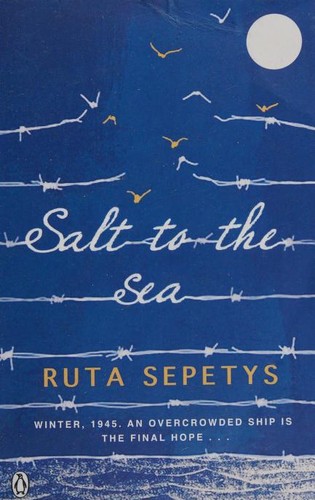
In early 1945, as the Soviet army advances across East Prussia, thousands of refugees flee toward the Baltic coast. Four young people tell the story in turns: Joana, a Lithuanian nurse carrying guilt; Florian, a Prussian boy hiding a dangerous secret; Emilia, a pregnant Polish girl; and Alfred, a self-important German sailor. Their paths lead to the Wilhelm Gustloff, a ship meant to carry them to safety, whose sinking became the deadliest disaster in maritime history.
Check price of Salt to the Sea on Amazon
The Main Themes in Salt to the Sea
1. War and survival
The refugees face cold, hunger, bombs and soldiers. Sepetys shows how ordinary people, especially the young, struggle simply to stay alive when war destroys everything around them.
Question to consider: Where in Salt to the Sea does war and survival matter most to the characters, and what does Ruta Sepetys want readers to think about it?
2. Guilt and secrets
Each narrator carries a hidden burden, from Joana's guilt to Florian's secret mission and Emilia's trauma. The novel shows how secrets can isolate people and how sharing them can bring relief and trust.
Question to consider: Where in Salt to the Sea does guilt and secrets matter most to the characters, and what does Ruta Sepetys want readers to think about it?
3. Hidden history
The sinking of the Wilhelm Gustloff killed more than nine thousand people, yet few readers know about it. Sepetys brings a forgotten tragedy into the light and asks why some histories are remembered while others vanish.
Question to consider: Where in Salt to the Sea does hidden history matter most to the characters, and what does Ruta Sepetys want readers to think about it?
4. Kindness and humanity
In the middle of cruelty, characters protect strangers, share food and risk their lives for each other. The book insists that small acts of kindness matter even in the worst of times.
Question to consider: Where in Salt to the Sea does kindness and humanity matter most to the characters, and what does Ruta Sepetys want readers to think about it?
5. Hope and loss
Not everyone survives the voyage, and the ending is heartbreaking. Yet the book closes with hope carried forward by a child, showing that life continues after unimaginable loss.
Question to consider: Where in Salt to the Sea does hope and loss matter most to the characters, and what does Ruta Sepetys want readers to think about it?
Symbols and Motifs
- The ship. The Wilhelm Gustloff represents both hope of escape and sudden catastrophe.
- The shoes. The shoemaker's lessons about shoes stand for each person's journey and story.
- The amber. The stolen piece of the Amber Room symbolises lost treasure and lost history.
- Alfred's letters. His imaginary letters show self-deception and delusion.
How the Themes Connect
War and survival set the stakes, while guilt and secrets explain why the narrators struggle to trust each other. Kindness and humanity slowly bring them together, and the hidden history of the Gustloff gives the story its weight. In the end, hope and loss sit side by side, reminding readers to honour the stories that history nearly forgot.
How to Write About the Themes of Salt to the Sea
If you are writing an essay or preparing for class, these steps help:
- Pick one theme. A focused argument is stronger than a list of everything.
- Find evidence in the text. Point to specific scenes, characters and choices rather than general impressions.
- Explain, don't just describe. After each example, say what it shows about the theme.
- Connect to the ending. Ask how the final chapters resolve or complicate the theme.
- Consider other readings. A fair essay acknowledges that readers can disagree.
Discussion Questions
- Which of the themes above feels most relevant to your own life, and why?
- Do the characters in Salt to the Sea handle war and survival well or badly?
- How does the title relate to the themes of the book?
- Would the story change if it were set in a different time or place?
- What does Ruta Sepetys leave unresolved, and why might that be?
Books With Similar Themes
- Between Shades of Gray by Ruta Sepetys
- The Book Thief by Markus Zusak
Related: Salt to the Sea by Ruta Sepetys: Summary and Key Takeaways · Salt to the Sea Ending Explained
Frequently Asked Questions
What is the main theme of Salt to the Sea?
The central theme is war and survival, supported by guilt and secrets and hidden history.
How many themes does Salt to the Sea have?
This guide covers 5 main themes, but readers may find others.
Who wrote Salt to the Sea?
Salt to the Sea was written by Ruta Sepetys and first published in 2016.
Is Salt to the Sea a good book for studying themes?
Yes. Its themes are clear enough to follow and rich enough to support essays and group discussion.
What should I read after Salt to the Sea?
Try Between Shades of Gray by Ruta Sepetys or The Book Thief by Markus Zusak.