
Disclosure: As an Amazon Associate, Bookish Wisdom earns from qualifying purchases. This doesn't change our picks or your price.
Spoiler warning: this analysis discusses the whole book, including the ending of Saturday.
Quick answer: The main themes in Saturday by Ian McEwan are fear and security, science and art, chance and consequence, class and privilege and family. Each is explained below with what it means, how it develops in the story and questions you can use for study or discussion.
Quick facts
- Book: Saturday by Ian McEwan
- First published: 2005
- Main themes: fear and security, science and art, chance and consequence, class and privilege and family
Table of Contents
About Saturday
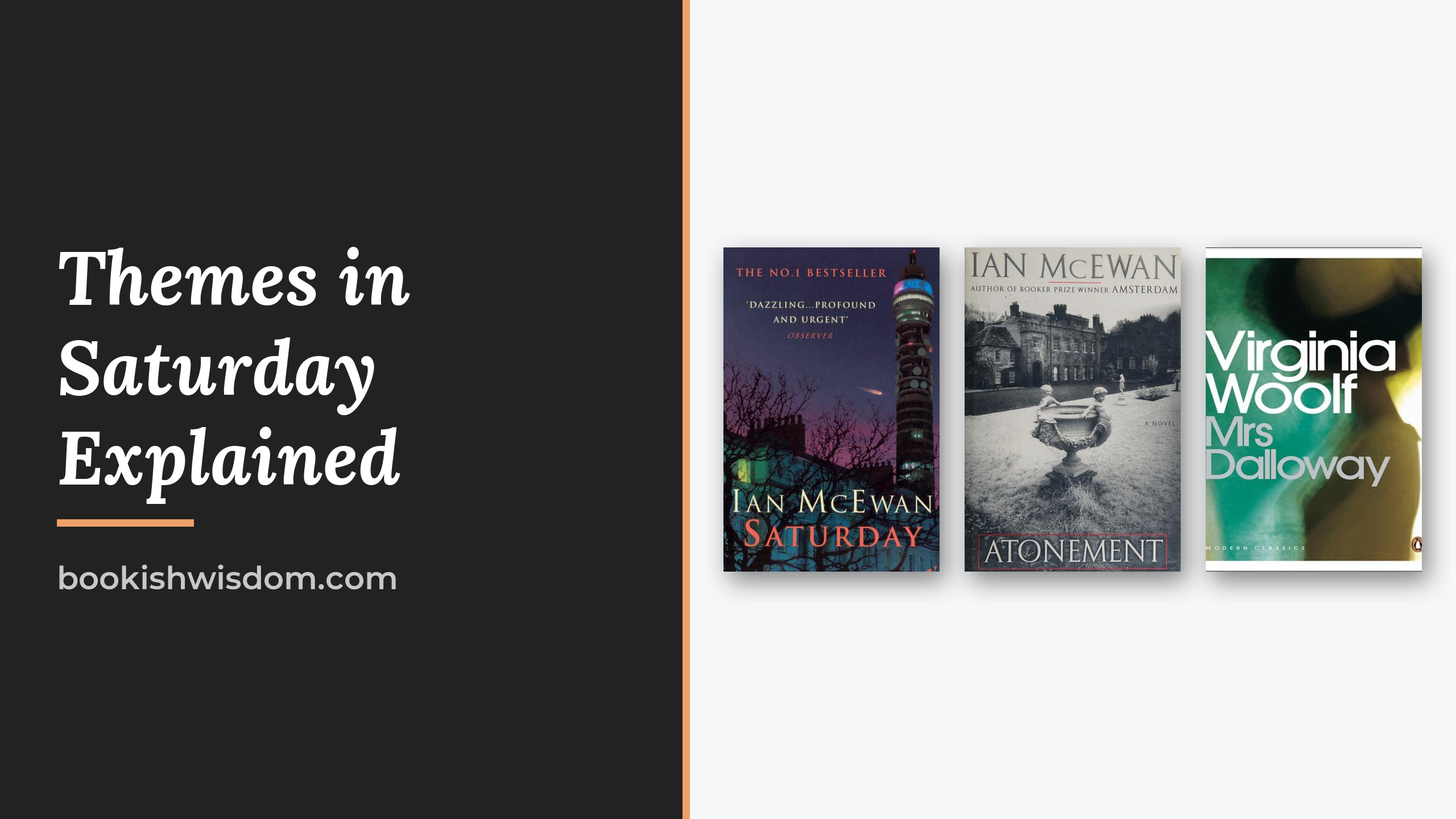
On Saturday, February 15, 2003, the day of a huge London march against the coming Iraq War, neurosurgeon Henry Perowne wakes before dawn and sees a burning plane heading for Heathrow. He spends the day on ordinary errands: a squash game, a visit to his mother, who has dementia, and cooking dinner for a family reunion. On the way to squash, he has a minor car accident with a young thug named Baxter, whom Perowne recognizes as showing early signs of Huntington's disease. Perowne escapes by using his medical knowledge to humiliate Baxter, but that night Baxter and an accomplice invade his home and threaten his family.
Check price of Saturday on Amazon
The Main Themes in Saturday
1. Fear and security
After the 9/11 attacks, Perowne feels the world has become more dangerous. The burning plane, the war protests and the home invasion show how fear seeps into comfortable lives. McEwan asks whether wealth and safety can ever be secure.
Question to consider: Where in Saturday does fear and security matter most to the characters, and what does Ian McEwan want readers to think about it?
2. Science and art
Perowne trusts science and finds novels unconvincing, while his daughter Daisy is a poet. In the climax, a poem read aloud calms Baxter, suggesting that art reaches places science cannot.
Question to consider: Where in Saturday does science and art matter most to the characters, and what does Ian McEwan want readers to think about it?
3. Chance and consequence
A small car accident changes everything. McEwan shows how a single choice, like Perowne's decision to embarrass Baxter, can set off terrible events.
Question to consider: Where in Saturday does chance and consequence matter most to the characters, and what does Ian McEwan want readers to think about it?
4. Class and privilege
Perowne's comfortable life contrasts with Baxter's illness and anger. The novel asks how much responsibility the fortunate have toward others.
Question to consider: Where in Saturday does class and privilege matter most to the characters, and what does Ian McEwan want readers to think about it?
5. Family
Perowne's love for his wife and children is his greatest treasure. The day ends with a renewed sense of how fragile and precious family life is.
Question to consider: Where in Saturday does family matter most to the characters, and what does Ian McEwan want readers to think about it?
Symbols and Motifs
- The burning plane. Represents the anxiety of the post-9/11 world.
- The squash game. Symbolizes competition and Perowne's need for control.
- The poem. Daisy's recitation of Matthew Arnold's 'Dover Beach' calms Baxter and represents the power of art.
- The brain. Perowne's surgical skill represents both knowledge and power over others.
How the Themes Connect
The themes connect through one ordinary day that becomes extraordinary. Fear, chance and class lead to violence, while art and family offer hope. McEwan modeled the single-day structure on Virginia Woolf's Mrs Dalloway and James Joyce's Ulysses. He spent two years observing a real neurosurgeon to make Perowne's operations accurate. Critics have debated Perowne's comfortable views on the Iraq War, and the ending, in which he operates on Baxter, raises questions about mercy and responsibility.
How to Write About the Themes of Saturday
If you are writing an essay or preparing for class, these steps help:
- Pick one theme. A focused argument is stronger than a list of everything.
- Find evidence in the text. Point to specific scenes, characters and choices rather than general impressions.
- Explain, don't just describe. After each example, say what it shows about the theme.
- Connect to the ending. Ask how the final chapters resolve or complicate the theme.
- Consider other readings. A fair essay acknowledges that readers can disagree.
Discussion Questions
- Which of the themes above feels most relevant to your own life, and why?
- Do the characters in Saturday handle fear and security well or badly?
- How does the title relate to the themes of the book?
- Would the story change if it were set in a different time or place?
- What does Ian McEwan leave unresolved, and why might that be?
Books With Similar Themes
-
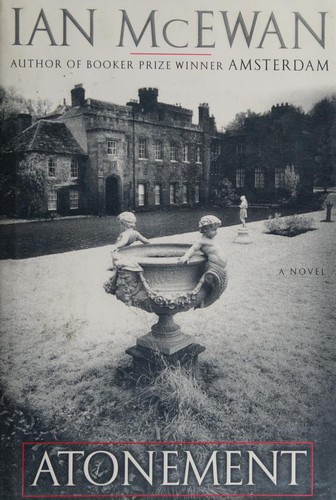
Atonement by Ian McEwan
-
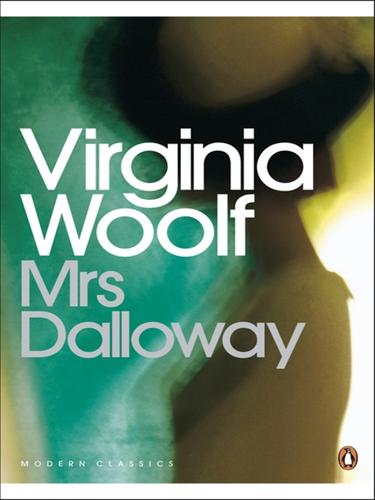
Mrs Dalloway by Virginia Woolf
Related: Saturday by Ian McEwan: Summary and Key Takeaways · Saturday Book Club Discussion Questions
Frequently Asked Questions
What is the main theme of Saturday?
The central theme is fear and security, supported by science and art and chance and consequence.
How many themes does Saturday have?
This guide covers 5 main themes, but readers may find others.
Who wrote Saturday?
Saturday was written by Ian McEwan and first published in 2005.
Is Saturday a good book for studying themes?
Yes. Its themes are clear enough to follow and rich enough to support essays and group discussion.
What should I read after Saturday?
Try Atonement by Ian McEwan or Mrs Dalloway by Virginia Woolf.