
Disclosure: As an Amazon Associate, Bookish Wisdom earns from qualifying purchases. This doesn't change our picks or your price.
Spoiler warning: this analysis discusses the whole book, including the ending of Superfudge.
Quick answer: The main themes in Superfudge by Judy Blume are change and adjustment, sibling relationships, belonging, humor in family life and growing responsibility. Each is explained below with what it means, how it develops in the story and questions you can use for study or discussion.
Quick facts
- Book: Superfudge by Judy Blume
- First published: 1980
- Main themes: change and adjustment, sibling relationships, belonging, humor in family life and growing responsibility
Table of Contents
About Superfudge
Peter Hatcher's world is turned upside down when his parents announce a new baby and a year-long move from New York City to Princeton, New Jersey. Peter's little brother Fudge, now five, starts kindergarten, tries to sell the new baby, Tootsie, and makes friends with a boy named Daniel. Peter worries about leaving his friends and fitting in at a new school, while Fudge causes endless chaos. By the end of the year, Peter has adjusted to Princeton and the family returns to the city. Peter also has to share a room with the baby and deal with his old rival, Sheila Tubman, who by chance is spending the year in Princeton too.

Check price of Superfudge on Amazon
The Main Themes in Superfudge
1. Change and adjustment
Peter must cope with a new baby and a new home. Blume shows how hard change can be for children.
Question to consider: Where in Superfudge does change and adjustment matter most to the characters, and what does Judy Blume want readers to think about it?
2. Sibling relationships
Peter still finds Fudge exasperating, and now there's a baby too. He slowly learns to appreciate both.
Question to consider: Where in Superfudge does sibling relationships matter most to the characters, and what does Judy Blume want readers to think about it?
3. Belonging
Peter worries about fitting in at a new school. Making new friends helps him feel at home.
Question to consider: Where in Superfudge does belonging matter most to the characters, and what does Judy Blume want readers to think about it?
4. Humor in family life
Fudge's antics, from selling his sister to believing in Santa, keep the family laughing.
Question to consider: Where in Superfudge does humor in family life matter most to the characters, and what does Judy Blume want readers to think about it?
5. Growing responsibility
Peter takes on more responsibility for his siblings.
Question to consider: Where in Superfudge does growing responsibility matter most to the characters, and what does Judy Blume want readers to think about it?
Symbols and Motifs
- Tootsie. The baby represents the change that unsettles Peter.
- Uncle Feather. Fudge's mynah bird symbolizes Fudge's chaotic personality.
- The move to Princeton. Represents change and new beginnings.
- The return to New York. Shows that change can be temporary and growth lasting.
How the Themes Connect
The themes connect through Peter's adjustment to change. A new baby, new school and Fudge's antics test his patience, but humor and family love help him adapt. Superfudge was a bestseller and won many children's choice awards. Blume continued the series with Fudge-a-Mania and Double Fudge. Readers often say Fudge's funny lines make them laugh out loud, and the book helps children facing a move or new baby. Many families read it aloud together, and Fudge's attempt to sell baby Tootsie for a few dollars is a favorite scene. The year in Princeton also introduces Peter to new friends, showing that a move can bring good things as well as worries. Blume wrote the book partly because young readers kept sending letters asking what happened next to Peter and Fudge.
How to Write About the Themes of Superfudge
If you are writing an essay or preparing for class, these steps help:
- Pick one theme. A focused argument is stronger than a list of everything.
- Find evidence in the text. Point to specific scenes, characters and choices rather than general impressions.
- Explain, don't just describe. After each example, say what it shows about the theme.
- Connect to the ending. Ask how the final chapters resolve or complicate the theme.
- Consider other readings. A fair essay acknowledges that readers can disagree.
Discussion Questions
- Which of the themes above feels most relevant to your own life, and why?
- Do the characters in Superfudge handle change and adjustment well or badly?
- How does the title relate to the themes of the book?
- Would the story change if it were set in a different time or place?
- What does Judy Blume leave unresolved, and why might that be?
Books With Similar Themes
-
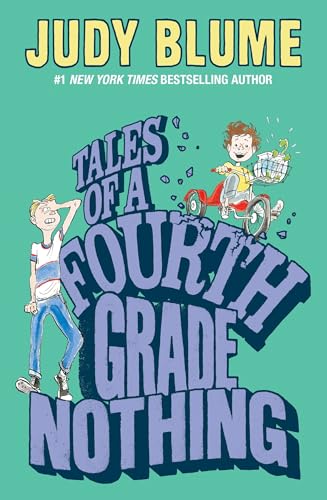
Tales of a Fourth Grade Nothing by Judy Blume
-

Ramona the Pest by Beverly Cleary
Related: Superfudge by Judy Blume: Summary and Key Takeaways · Superfudge Characters: A Complete Guide
Frequently Asked Questions
What is the main theme of Superfudge?
The central theme is change and adjustment, supported by sibling relationships and belonging.
How many themes does Superfudge have?
This guide covers 5 main themes, but readers may find others.
Who wrote Superfudge?
Superfudge was written by Judy Blume and first published in 1980.
Is Superfudge a good book for studying themes?
Yes. Its themes are clear enough to follow and rich enough to support essays and group discussion.
What should I read after Superfudge?
Try Tales of a Fourth Grade Nothing by Judy Blume or Ramona the Pest by Beverly Cleary.