
Disclosure: As an Amazon Associate, Bookish Wisdom earns from qualifying purchases. This doesn't change our picks or your price.
Spoiler warning: this analysis discusses the whole book, including the ending of Tales of a Fourth Grade Nothing.
Quick answer: The main themes in Tales of a Fourth Grade Nothing by Judy Blume are sibling rivalry, fairness, responsibility, family life and growing up. Each is explained below with what it means, how it develops in the story and questions you can use for study or discussion.
Quick facts
- Book: Tales of a Fourth Grade Nothing by Judy Blume
- First published: 1972
- Main themes: sibling rivalry, fairness, responsibility, family life and growing up
Table of Contents
About Tales of a Fourth Grade Nothing
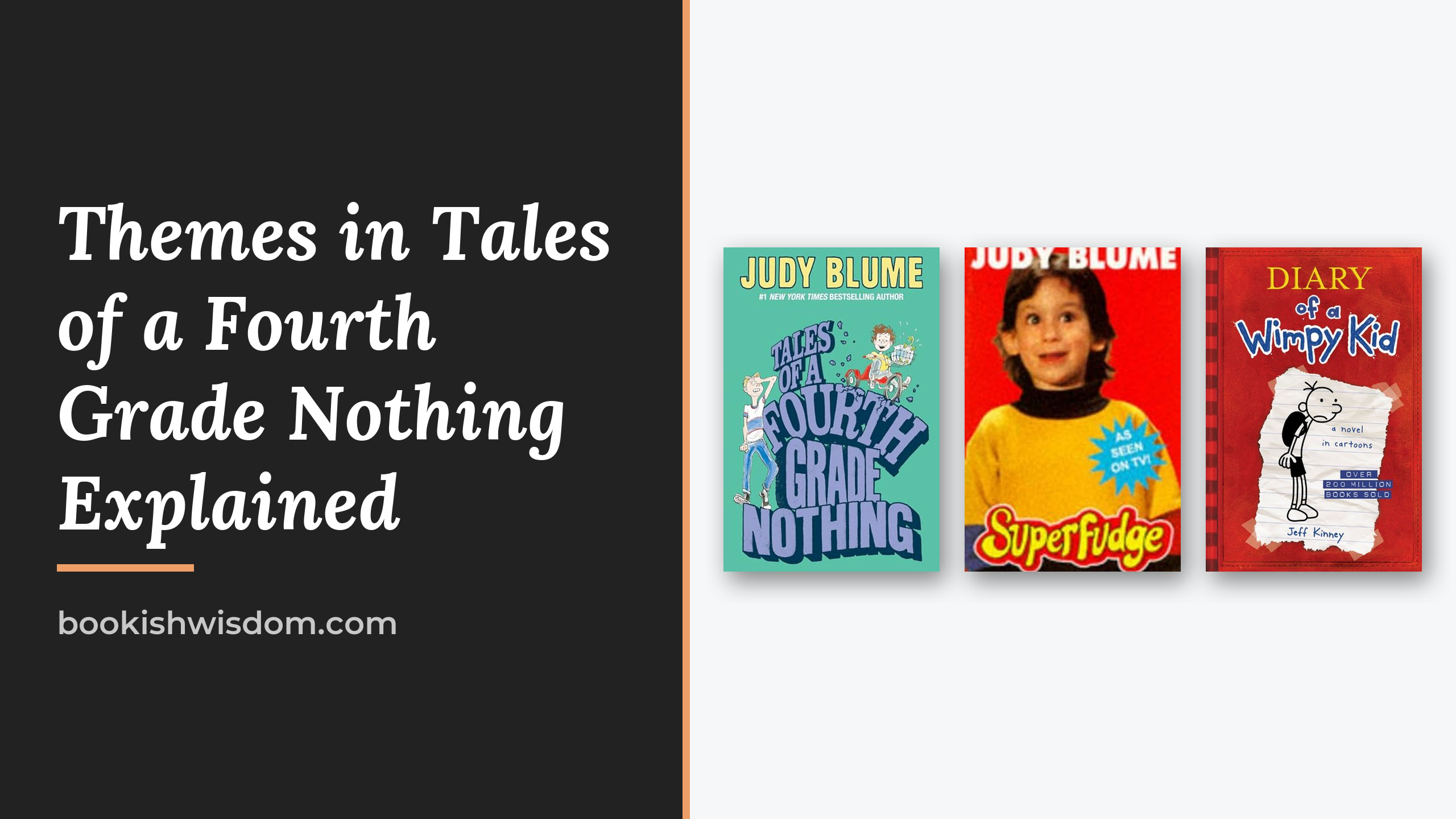
Nine-year-old Peter Hatcher lives in an apartment in New York City with his parents and his two-year-old brother, Farley Drexel Hatcher, known as Fudge. Fudge is a whirlwind of trouble: he throws tantrums, smears mashed potatoes on walls, ruins Peter's school project and wrecks a TV commercial shoot for Peter's father's client. Peter feels ignored, and the final straw comes when Fudge swallows Peter's pet turtle, Dribble. Fudge goes to the hospital, and Peter finally gets a new pet, a puppy.
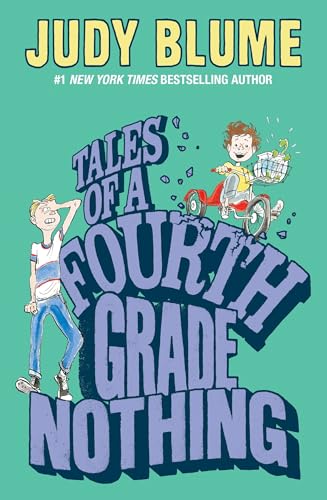
Check price of Tales of a Fourth Grade Nothing on Amazon
The Main Themes in Tales of a Fourth Grade Nothing
1. Sibling rivalry
Peter feels overshadowed by his little brother. Blume captures the frustration of older siblings with humor.
Question to consider: Where in Tales of a Fourth Grade Nothing does sibling rivalry matter most to the characters, and what does Judy Blume want readers to think about it?
2. Fairness
Peter feels his parents always side with Fudge. The book asks how families can be fair.
Question to consider: Where in Tales of a Fourth Grade Nothing does fairness matter most to the characters, and what does Judy Blume want readers to think about it?
3. Responsibility
Peter takes care of his turtle and his projects. He feels responsible even when Fudge ruins things.
Question to consider: Where in Tales of a Fourth Grade Nothing does responsibility matter most to the characters, and what does Judy Blume want readers to think about it?
4. Family life
The Hatchers' daily chaos is funny and realistic. Blume shows ordinary family life with honesty.
Question to consider: Where in Tales of a Fourth Grade Nothing does family life matter most to the characters, and what does Judy Blume want readers to think about it?
5. Growing up
Peter learns patience, and his parents learn to notice him. Growing up includes learning to be heard.
Question to consider: Where in Tales of a Fourth Grade Nothing does growing up matter most to the characters, and what does Judy Blume want readers to think about it?
Symbols and Motifs
- Dribble the turtle. Represents Peter's responsibility and the things he values.
- The city apartment. The crowded apartment shows how close and chaotic family life can be.
- Fudge's tantrums. Symbolize the attention little siblings demand.
- The puppy. Represents Peter's reward and recognition.
How the Themes Connect
The themes connect through Peter's feelings of being overlooked. Sibling rivalry and fairness create conflict, while family love and humor keep the story warm. It was the first book in Blume's Fudge series, and remains a favorite with children who have little brothers or sisters. Blume based Fudge partly on her son Larry's antics. The book's humor and honesty make it a classroom favorite, and readers enjoy debating whether Peter's parents were fair.
How to Write About the Themes of Tales of a Fourth Grade Nothing
If you are writing an essay or preparing for class, these steps help:
- Pick one theme. A focused argument is stronger than a list of everything.
- Find evidence in the text. Point to specific scenes, characters and choices rather than general impressions.
- Explain, don't just describe. After each example, say what it shows about the theme.
- Connect to the ending. Ask how the final chapters resolve or complicate the theme.
- Consider other readings. A fair essay acknowledges that readers can disagree.
Discussion Questions
- Which of the themes above feels most relevant to your own life, and why?
- Do the characters in Tales of a Fourth Grade Nothing handle sibling rivalry well or badly?
- How does the title relate to the themes of the book?
- Would the story change if it were set in a different time or place?
- What does Judy Blume leave unresolved, and why might that be?
Books With Similar Themes
-

Superfudge by Judy Blume
-
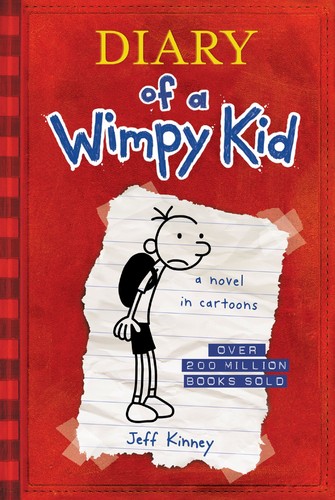
Diary of a Wimpy Kid by Jeff Kinney
Related: Tales of a Fourth Grade Nothing by Judy Blume: Summary and Key Takeaways · Tales of a Fourth Grade Nothing Characters: A Complete Guide
Frequently Asked Questions
What is the main theme of Tales of a Fourth Grade Nothing?
The central theme is sibling rivalry, supported by fairness and responsibility.
How many themes does Tales of a Fourth Grade Nothing have?
This guide covers 5 main themes, but readers may find others.
Who wrote Tales of a Fourth Grade Nothing?
Tales of a Fourth Grade Nothing was written by Judy Blume and first published in 1972.
Is Tales of a Fourth Grade Nothing a good book for studying themes?
Yes. Its themes are clear enough to follow and rich enough to support essays and group discussion.
What should I read after Tales of a Fourth Grade Nothing?
Try Superfudge by Judy Blume or Diary of a Wimpy Kid by Jeff Kinney.