
Disclosure: As an Amazon Associate, Bookish Wisdom earns from qualifying purchases. This doesn't change our picks or your price.
Spoiler warning: this analysis discusses the whole book, including the ending of Tender Is the Flesh.
Quick answer: The main themes in Tender Is the Flesh by Agustina Bazterrica are dehumanisation through language, complicity, consumption and capitalism, grief and numbness and power and ownership. Each is explained below with what it means, how it develops in the story and questions you can use for study or discussion.
Quick facts
- Book: Tender Is the Flesh by Agustina Bazterrica
- First published: 2017
- Main themes: dehumanisation through language, complicity, consumption and capitalism, grief and numbness and power and ownership
Table of Contents
About Tender Is the Flesh
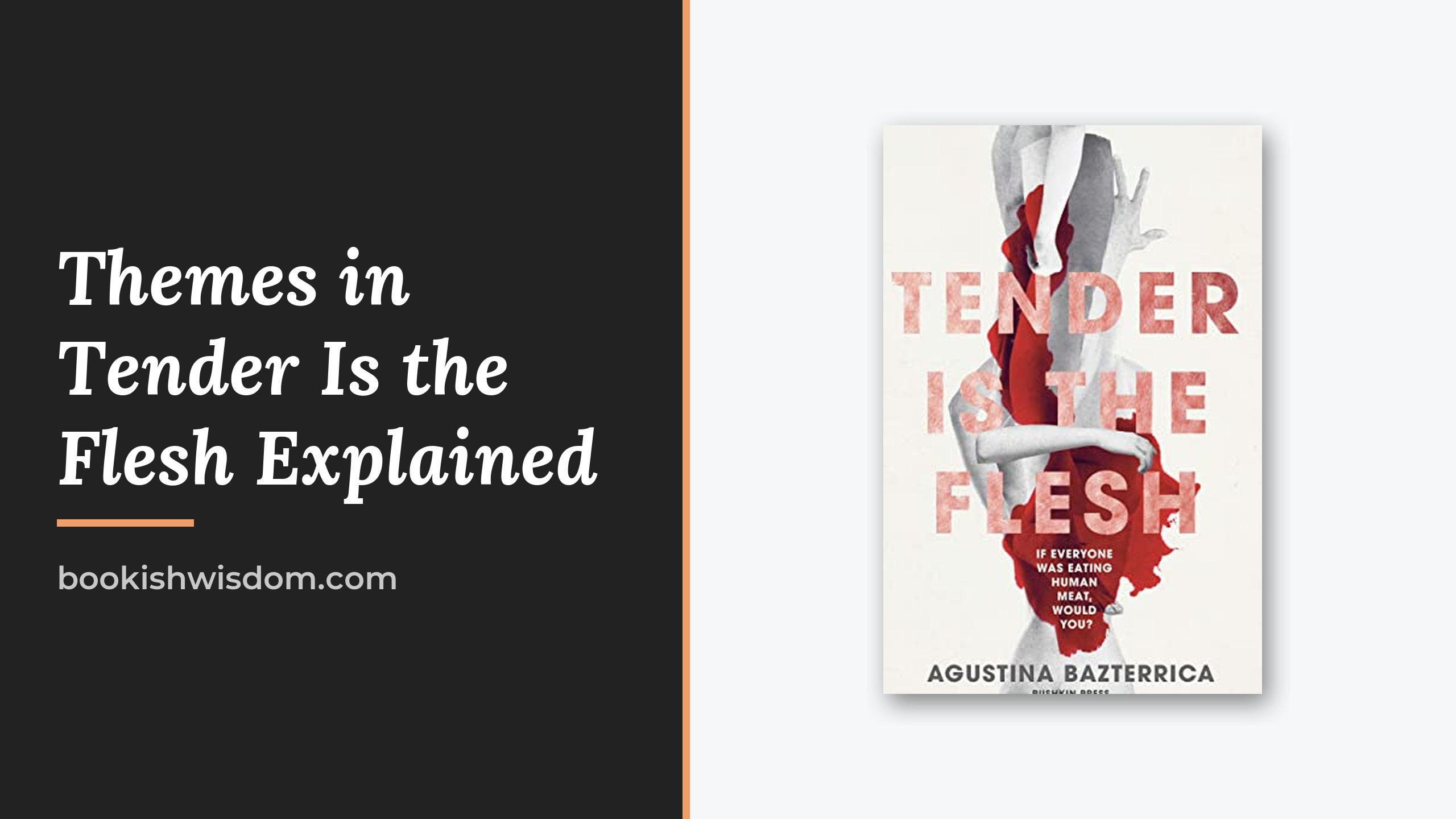
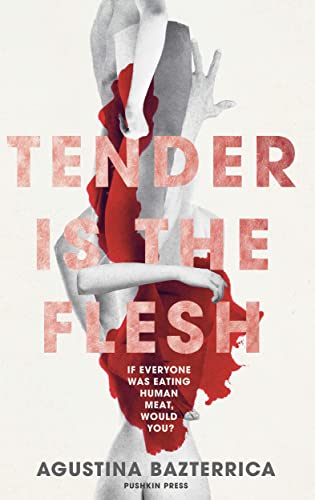
After a virus makes animal meat dangerous, society legalises the farming and slaughter of humans, renamed “heads” and sold as “special meat”. Marcos works at a processing plant and is numb to the system until he is given a female head as a gift. His relationship with her forces him to face what the world has become.
Check price of Tender Is the Flesh on Amazon
The Main Themes in Tender Is the Flesh
1. Dehumanisation through language
New words like “product” and “processing” make horror sound normal. Bazterrica shows how changing language changes what people are willing to accept, which is the novel's most chilling idea.
Question to consider: Where in Tender Is the Flesh does dehumanisation through language matter most to the characters, and what does Agustina Bazterrica want readers to think about it?
2. Complicity
Marcos hates the industry but works in it. The book asks how ordinary people take part in cruelty and what it means to object while still benefiting from the system.
Question to consider: Where in Tender Is the Flesh does complicity matter most to the characters, and what does Agustina Bazterrica want readers to think about it?
3. Consumption and capitalism
Every part of the farmed humans is sold. The novel exaggerates real industrial farming to criticise a culture where anything can become a product.
Question to consider: Where in Tender Is the Flesh does consumption and capitalism matter most to the characters, and what does Agustina Bazterrica want readers to think about it?
4. Grief and numbness
Marcos is grieving the loss of his baby son and his father's decline. His emotional numbness helps him function but also hides how far he has fallen.
Question to consider: Where in Tender Is the Flesh does grief and numbness matter most to the characters, and what does Agustina Bazterrica want readers to think about it?
5. Power and ownership
Those with money decide who counts as human. The novel shows how power redraws the line of who deserves protection.
Question to consider: Where in Tender Is the Flesh does power and ownership matter most to the characters, and what does Agustina Bazterrica want readers to think about it?
Symbols and Motifs
- The special meat. Society's acceptance of the unacceptable.
- Jasmine. A person treated as property, and Marcos's buried conscience.
- The empty cradle. Marcos's grief and his longing for a family.
- The processing plant. A machine designed to hide violence from the people who profit from it.
How the Themes Connect
Language makes dehumanisation possible, capitalism profits from it and complicity keeps it running. Marcos's grief explains why he goes along, and the novel's ending shows how deeply power has reshaped even his most private feelings.
How to Write About the Themes of Tender Is the Flesh
If you are writing an essay or preparing for class, these steps help:
- Pick one theme. A focused argument is stronger than a list of everything.
- Find evidence in the text. Point to specific scenes, characters and choices rather than general impressions.
- Explain, don't just describe. After each example, say what it shows about the theme.
- Connect to the ending. Ask how the final chapters resolve or complicate the theme.
- Consider other readings. A fair essay acknowledges that readers can disagree.
Discussion Questions
- Which of the themes above feels most relevant to your own life, and why?
- Do the characters in Tender Is the Flesh handle dehumanisation through language well or badly?
- How does the title relate to the themes of the book?
- Would the story change if it were set in a different time or place?
- What does Agustina Bazterrica leave unresolved, and why might that be?
Books With Similar Themes
- The Road by Cormac McCarthy
- Never Let Me Go by Kazuo Ishiguro
Related: Tender Is the Flesh by Agustina Bazterrica: Summary and Key Takeaways · Tender Is the Flesh Ending Explained
Frequently Asked Questions
What is the main theme of Tender Is the Flesh?
The central theme is dehumanisation through language, supported by complicity and consumption and capitalism.
How many themes does Tender Is the Flesh have?
This guide covers 5 main themes, but readers may find others.
Who wrote Tender Is the Flesh?
Tender Is the Flesh was written by Agustina Bazterrica and first published in 2017.
Is Tender Is the Flesh a good book for studying themes?
Yes. Its themes are clear enough to follow and rich enough to support essays and group discussion.
What should I read after Tender Is the Flesh?
Try The Road by Cormac McCarthy or Never Let Me Go by Kazuo Ishiguro.