
Disclosure: As an Amazon Associate, Bookish Wisdom earns from qualifying purchases. This doesn't change our picks or your price.
Spoiler warning: this analysis discusses the whole book, including the ending of The Catcher in the Rye.
Quick answer: The main themes in The Catcher in the Rye by J.D. Salinger are alienation, phoniness and authenticity, innocence, grief and growing up. Each is explained below with what it means, how it develops in the story and questions you can use for study or discussion.
Quick facts
- Book: The Catcher in the Rye by J.D. Salinger
- First published: 1951
- Main themes: alienation, phoniness and authenticity, innocence, grief and growing up
Table of Contents
About The Catcher in the Rye
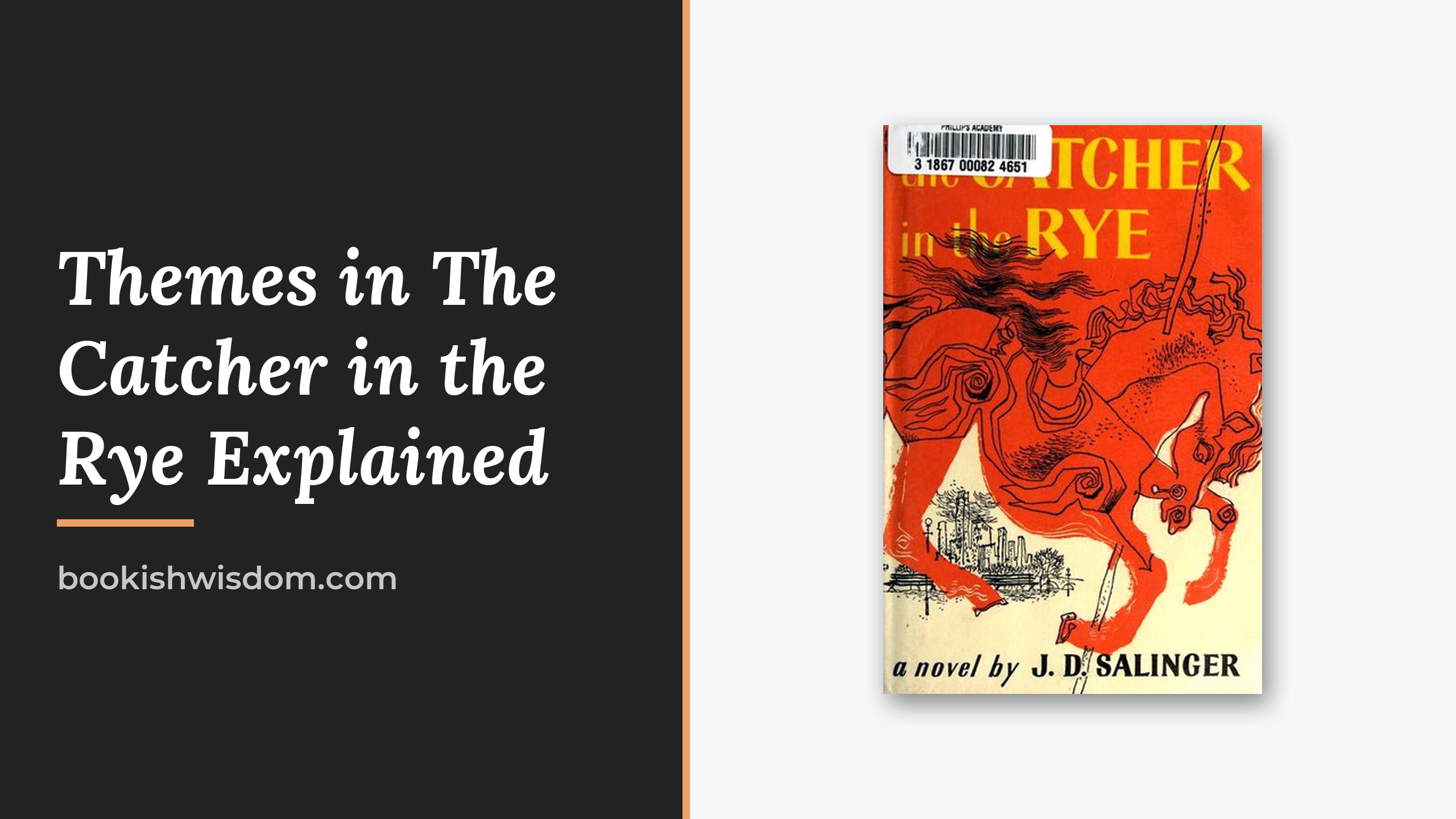
Sixteen-year-old Holden Caulfield has just been expelled from Pencey Prep, his latest school. Rather than go home, he wanders New York City for three days, meeting old friends, strangers and his little sister Phoebe. Holden is lonely, angry and grieving the death of his younger brother Allie. He sees phoniness everywhere and dreams of being the “catcher in the rye,” saving children from falling off a cliff into adulthood.
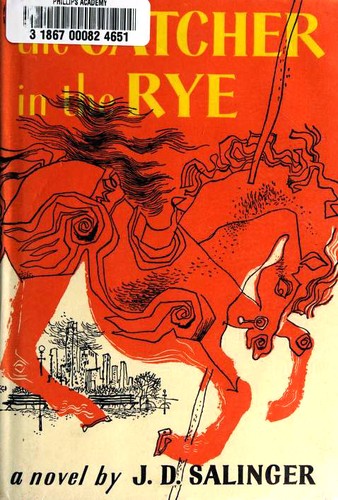
Check price of The Catcher in the Rye on Amazon
The Main Themes in The Catcher in the Rye
1. Alienation
Holden pushes people away while longing for connection. Salinger shows the loneliness of a teenager who feels no one understands him.
Question to consider: Where in The Catcher in the Rye does alienation matter most to the characters, and what does J.D. Salinger want readers to think about it?
2. Phoniness and authenticity
Holden hates fake people. The novel asks whether he is right, or whether he uses this view to avoid relationships.
Question to consider: Where in The Catcher in the Rye does phoniness and authenticity matter most to the characters, and what does J.D. Salinger want readers to think about it?
3. Innocence
Holden wants to protect children's innocence, especially Phoebe's. His fantasy reveals his fear of growing up.
Question to consider: Where in The Catcher in the Rye does innocence matter most to the characters, and what does J.D. Salinger want readers to think about it?
4. Grief
Allie's death haunts Holden. The book shows how unprocessed grief shapes his behaviour.
Question to consider: Where in The Catcher in the Rye does grief matter most to the characters, and what does J.D. Salinger want readers to think about it?
5. Growing up
Holden resists adulthood but eventually accepts change, watching Phoebe on the carousel.
Question to consider: Where in The Catcher in the Rye does growing up matter most to the characters, and what does J.D. Salinger want readers to think about it?
Symbols and Motifs
- The red hunting hat. It represents individuality and protection.
- The ducks in Central Park. They symbolise change and survival.
- The carousel. It represents innocence and acceptance.
- The museum. It stands for things that never change.
How the Themes Connect
Alienation and grief explain Holden's anger, while phoniness is his defence. His wish to protect innocence reveals his fear of growing up. The carousel scene shows him beginning to accept change.
How to Write About the Themes of The Catcher in the Rye
If you are writing an essay or preparing for class, these steps help:
- Pick one theme. A focused argument is stronger than a list of everything.
- Find evidence in the text. Point to specific scenes, characters and choices rather than general impressions.
- Explain, don't just describe. After each example, say what it shows about the theme.
- Connect to the ending. Ask how the final chapters resolve or complicate the theme.
- Consider other readings. A fair essay acknowledges that readers can disagree.
Discussion Questions
- Which of the themes above feels most relevant to your own life, and why?
- Do the characters in The Catcher in the Rye handle alienation well or badly?
- How does the title relate to the themes of the book?
- Would the story change if it were set in a different time or place?
- What does J.D. Salinger leave unresolved, and why might that be?
Books With Similar Themes
- The Perks of Being a Wallflower by Stephen Chbosky
- A Separate Peace by John Knowles
Related: The Catcher in the Rye by J.D. Salinger: Summary and Key Takeaways · The Catcher in the Rye Ending Explained
Frequently Asked Questions
What is the main theme of The Catcher in the Rye?
The central theme is alienation, supported by phoniness and authenticity and innocence.
How many themes does The Catcher in the Rye have?
This guide covers 5 main themes, but readers may find others.
Who wrote The Catcher in the Rye?
The Catcher in the Rye was written by J.D. Salinger and first published in 1951.
Is The Catcher in the Rye a good book for studying themes?
Yes. Its themes are clear enough to follow and rich enough to support essays and group discussion.
What should I read after The Catcher in the Rye?
Try The Perks of Being a Wallflower by Stephen Chbosky or A Separate Peace by John Knowles.