
Disclosure: As an Amazon Associate, Bookish Wisdom earns from qualifying purchases. This doesn't change our picks or your price.
Spoiler warning: this analysis discusses the whole book, including the ending of The Hours.
Quick answer: The main themes in The Hours by Michael Cunningham are time and the ordinary day, mental illness, women's roles and freedom, love and loss and art and life. Each is explained below with what it means, how it develops in the story and questions you can use for study or discussion.
Quick facts
- Book: The Hours by Michael Cunningham
- First published: 1998
- Main themes: time and the ordinary day, mental illness, women's roles and freedom, love and loss and art and life
Table of Contents
About The Hours
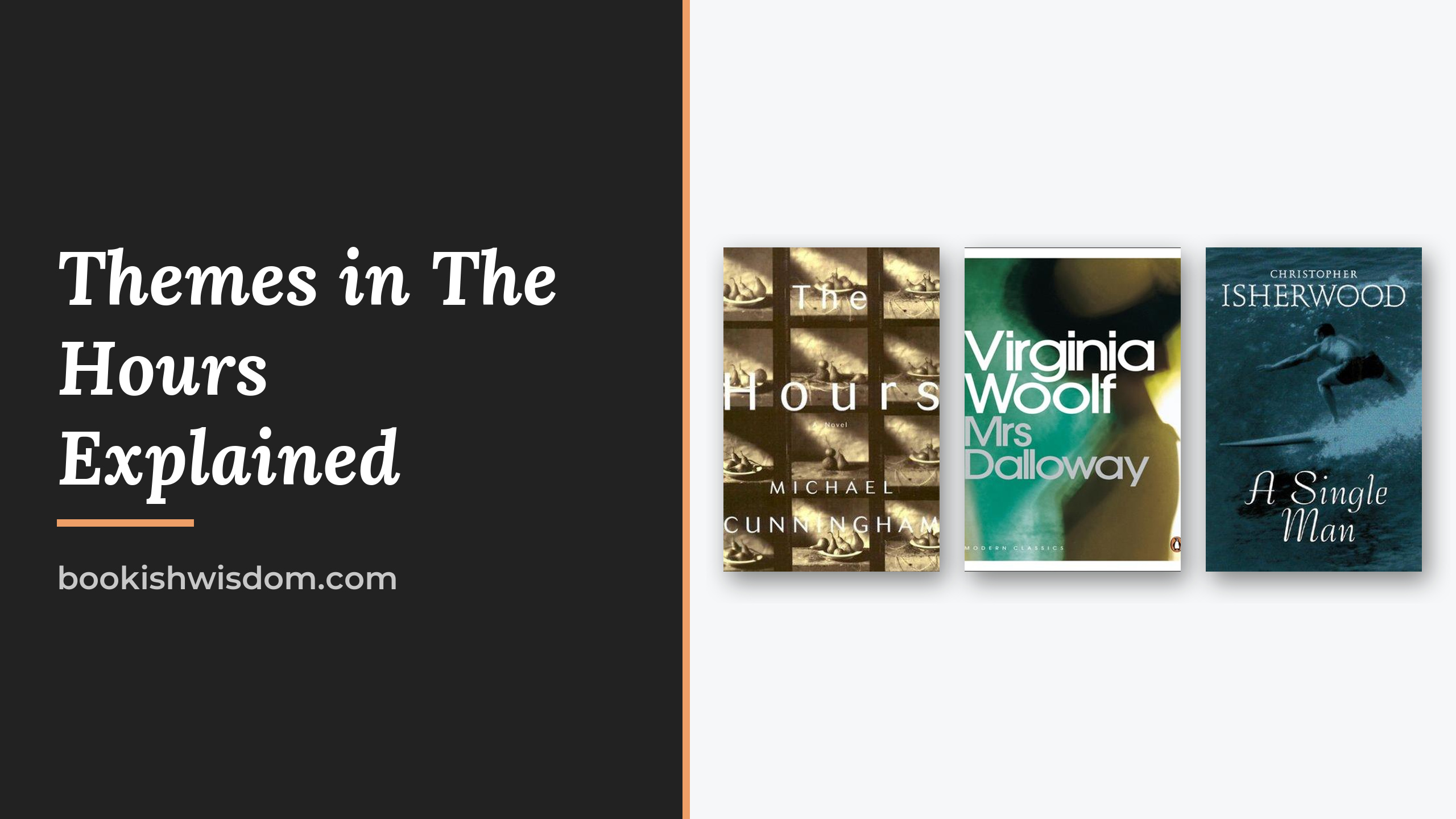
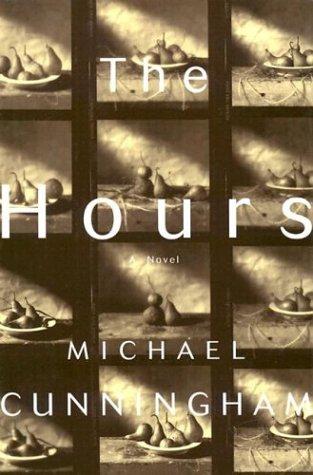
The novel follows one day in the lives of three women in three different times. In 1923, Virginia Woolf, living in the London suburb of Richmond after a breakdown, begins writing Mrs Dalloway. In 1949 Los Angeles, Laura Brown, a pregnant housewife, reads Mrs Dalloway and struggles with the urge to escape her family. In 1990s New York, Clarissa Vaughan, nicknamed Mrs. Dalloway by her friend Richard, a poet dying of AIDS, prepares a party in his honor. Their stories echo each other and connect in a surprising way at the end.
Check price of The Hours on Amazon
The Main Themes in The Hours
1. Time and the ordinary day
Each story takes place over a single day, like Mrs Dalloway itself. Cunningham shows how ordinary hours, buying flowers, baking a cake, writing a sentence, can hold a whole life's meaning and pain.
Question to consider: Where in The Hours does time and the ordinary day matter most to the characters, and what does Michael Cunningham want readers to think about it?
2. Mental illness
Virginia hears voices and fears another breakdown, and Laura feels a quiet despair she cannot explain. The novel treats depression with compassion, showing how it shapes choices and relationships.
Question to consider: Where in The Hours does mental illness matter most to the characters, and what does Michael Cunningham want readers to think about it?
3. Women's roles and freedom
Laura feels trapped by the 1950s ideal of the happy housewife, while Clarissa lives more freely in the 1990s. Cunningham explores how women's choices have changed and what they still cost.
Question to consider: Where in The Hours does women's roles and freedom matter most to the characters, and what does Michael Cunningham want readers to think about it?
4. Love and loss
Clarissa's long devotion to Richard, Laura's distance from her son and Virginia's marriage to Leonard all show love mixed with pain. Each woman faces the possibility of losing someone.
Question to consider: Where in The Hours does love and loss matter most to the characters, and what does Michael Cunningham want readers to think about it?
5. Art and life
Virginia's novel shapes the other women's lives. Cunningham suggests that art can echo across generations and give ordinary people a language for their feelings.
Question to consider: Where in The Hours does art and life matter most to the characters, and what does Michael Cunningham want readers to think about it?
Symbols and Motifs
- Flowers. Clarissa buying flowers echoes the first line of Mrs Dalloway and represents beauty and celebration.
- The cake. Laura's failed birthday cake symbolizes her struggle to perform the role of perfect wife.
- The river. The River Ouse, where Virginia drowned in 1941, represents death and release.
- The party. Clarissa's party represents life's effort to bring people together.
How the Themes Connect
The themes connect through the echo of one book across three lives. Time, mental illness, women's freedom and love all appear in each story, and the final revelation ties Laura to Richard in a way that reshapes everything. The Hours won the Pulitzer Prize and the PEN/Faulkner Award in 1999, and the 2002 film starred Nicole Kidman, who won an Oscar for playing Woolf, alongside Julianne Moore and Meryl Streep. Cunningham's original working title for Mrs Dalloway was Woolf's own: The Hours.
How to Write About the Themes of The Hours
If you are writing an essay or preparing for class, these steps help:
- Pick one theme. A focused argument is stronger than a list of everything.
- Find evidence in the text. Point to specific scenes, characters and choices rather than general impressions.
- Explain, don't just describe. After each example, say what it shows about the theme.
- Connect to the ending. Ask how the final chapters resolve or complicate the theme.
- Consider other readings. A fair essay acknowledges that readers can disagree.
Discussion Questions
- Which of the themes above feels most relevant to your own life, and why?
- Do the characters in The Hours handle time and the ordinary day well or badly?
- How does the title relate to the themes of the book?
- Would the story change if it were set in a different time or place?
- What does Michael Cunningham leave unresolved, and why might that be?
Books With Similar Themes
-
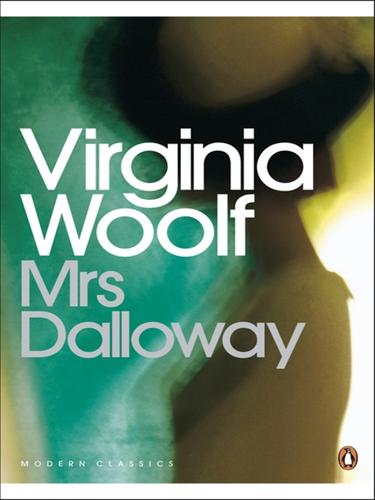
Mrs Dalloway by Virginia Woolf
-
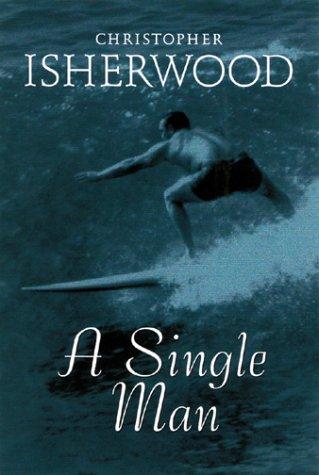
A Single Man by Christopher Isherwood
Related: Mrs Dalloway by Virginia Woolf: Summary and Key Takeaways
Frequently Asked Questions
What is the main theme of The Hours?
The central theme is time and the ordinary day, supported by mental illness and women's roles and freedom.
How many themes does The Hours have?
This guide covers 5 main themes, but readers may find others.
Who wrote The Hours?
The Hours was written by Michael Cunningham and first published in 1998.
Is The Hours a good book for studying themes?
Yes. Its themes are clear enough to follow and rich enough to support essays and group discussion.
What should I read after The Hours?
Try Mrs Dalloway by Virginia Woolf or A Single Man by Christopher Isherwood.