
Disclosure: As an Amazon Associate, Bookish Wisdom earns from qualifying purchases. This doesn't change our picks or your price.
Spoiler warning: this analysis discusses the whole book, including the ending of Interpreter of Maladies.
Quick answer: The main themes in Interpreter of Maladies by Jhumpa Lahiri are communication and miscommunication, immigration and belonging, marriage and intimacy, outsiders and memory and home. Each is explained below with what it means, how it develops in the story and questions you can use for study or discussion.
Quick facts
- Book: Interpreter of Maladies by Jhumpa Lahiri
- First published: 1999
- Main themes: communication and miscommunication, immigration and belonging, marriage and intimacy, outsiders and memory and home
Table of Contents
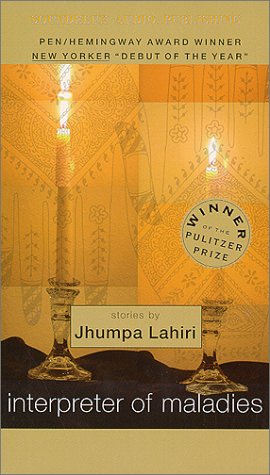
About Interpreter of Maladies
This collection of nine short stories follows Indian and Indian American characters in Boston, Calcutta and New Jersey. A young couple, grieving a stillborn baby, reveal secrets during nightly power cuts. A tour guide who works as an interpreter for a doctor imagines a romance with an American tourist. A girl in 1971 New England watches a Pakistani guest follow news of the war in his homeland. An Indian immigrant landlady in Massachusetts insists that her young lodger admire the American flag on the moon. Each story explores small, quiet moments where people fail or manage to connect.
Check price of Interpreter of Maladies on Amazon
The Main Themes in Interpreter of Maladies
1. Communication and miscommunication
The title story's interpreter translates symptoms but cannot understand his own marriage or Mrs. Das. Across the collection, characters struggle to say what they feel, even to those closest to them.
Question to consider: Where in Interpreter of Maladies does communication and miscommunication matter most to the characters, and what does Jhumpa Lahiri want readers to think about it?
2. Immigration and belonging
Many characters live between India and America. Lahiri shows the loneliness and small victories of building a life in a new country.
Question to consider: Where in Interpreter of Maladies does immigration and belonging matter most to the characters, and what does Jhumpa Lahiri want readers to think about it?
3. Marriage and intimacy
Several stories look closely at marriages under strain, especially 'A Temporary Matter', where a couple tell each other secrets in the dark.
Question to consider: Where in Interpreter of Maladies does marriage and intimacy matter most to the characters, and what does Jhumpa Lahiri want readers to think about it?
4. Outsiders
Characters often feel like outsiders, whether in a new land or within their own families. Lahiri treats them with sympathy and humor.
Question to consider: Where in Interpreter of Maladies does outsiders matter most to the characters, and what does Jhumpa Lahiri want readers to think about it?
5. Memory and home
Characters carry memories of home that shape their present lives.
Question to consider: Where in Interpreter of Maladies does memory and home matter most to the characters, and what does Jhumpa Lahiri want readers to think about it?
Symbols and Motifs
- The power cuts. In 'A Temporary Matter', darkness allows honesty that light prevents.
- Mr. Kapasi's role. His job as an interpreter of maladies symbolizes the desire to be understood.
- The moon landing. The flag on the moon in 'The Third and Final Continent' represents arrival in a new world.
- Food. Meals and recipes represent home, comfort and identity.
How the Themes Connect
The themes connect through the struggle to understand and be understood. Immigration, marriage and memory create gaps between people, and the stories show how those gaps are sometimes bridged. Interpreter of Maladies was Lahiri's first book and won the Pulitzer Prize for Fiction in 2000, a rare honor for a debut story collection. Her clear, restrained prose makes the stories easy to read but rich to discuss. Readers often single out 'The Third and Final Continent', based partly on Lahiri's father's life, as the collection's most hopeful story.
How to Write About the Themes of Interpreter of Maladies
If you are writing an essay or preparing for class, these steps help:
- Pick one theme. A focused argument is stronger than a list of everything.
- Find evidence in the text. Point to specific scenes, characters and choices rather than general impressions.
- Explain, don't just describe. After each example, say what it shows about the theme.
- Connect to the ending. Ask how the final chapters resolve or complicate the theme.
- Consider other readings. A fair essay acknowledges that readers can disagree.
Discussion Questions
- Which of the themes above feels most relevant to your own life, and why?
- Do the characters in Interpreter of Maladies handle communication and miscommunication well or badly?
- How does the title relate to the themes of the book?
- Would the story change if it were set in a different time or place?
- What does Jhumpa Lahiri leave unresolved, and why might that be?
Books With Similar Themes
-

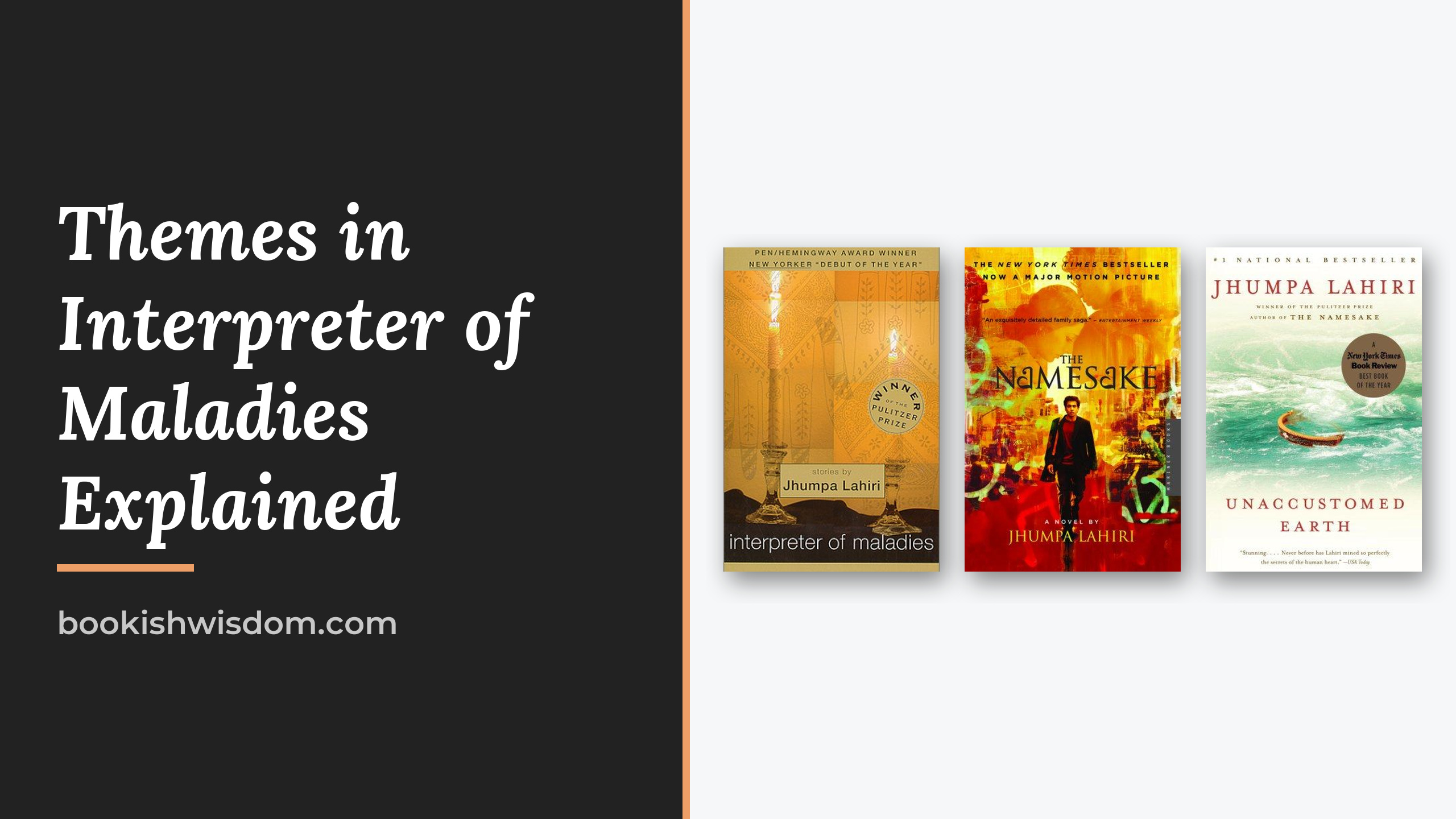
The Namesake by Jhumpa Lahiri
-

Unaccustomed Earth by Jhumpa Lahiri
Related: Interpreter of Maladies by Jhumpa Lahiri: Summary and Key Takeaways · 15 Books Like Interpreter of Maladies You’ll Love
Frequently Asked Questions
What is the main theme of Interpreter of Maladies?
The central theme is communication and miscommunication, supported by immigration and belonging and marriage and intimacy.
How many themes does Interpreter of Maladies have?
This guide covers 5 main themes, but readers may find others.
Who wrote Interpreter of Maladies?
Interpreter of Maladies was written by Jhumpa Lahiri and first published in 1999.
Is Interpreter of Maladies a good book for studying themes?
Yes. Its themes are clear enough to follow and rich enough to support essays and group discussion.
What should I read after Interpreter of Maladies?
Try The Namesake by Jhumpa Lahiri or Unaccustomed Earth by Jhumpa Lahiri.