
Disclosure: As an Amazon Associate, Bookish Wisdom earns from qualifying purchases. This doesn't change our picks or your price.
Spoiler warning: this analysis discusses the whole book, including the ending of The Hundred Dresses.
Quick answer: The main themes in The Hundred Dresses by Eleanor Estes are bullying, bystanders, poverty and difference, art and imagination and forgiveness. Each is explained below with what it means, how it develops in the story and questions you can use for study or discussion.
Quick facts
- Book: The Hundred Dresses by Eleanor Estes
- First published: 1944
- Main themes: bullying, bystanders, poverty and difference, art and imagination and forgiveness
Table of Contents
About The Hundred Dresses
Wanda Petronski, a quiet Polish American girl, wears the same faded blue dress to school every day. When classmates tease her, she says she has a hundred dresses at home, all lined up in her closet. Led by the popular Peggy, girls tease her daily, while Peggy's friend Maddie feels uncomfortable but stays silent. Then Wanda's family moves away, and the class learns she has won the school drawing contest with a hundred beautiful dress designs. Peggy and Maddie are best friends, and Maddie is poor too, wearing Peggy's hand-me-down clothes, which is why she fears becoming the next target.
Check price of The Hundred Dresses on Amazon
The Main Themes in The Hundred Dresses
1. Bullying
The teasing seems small to the bullies but hurts Wanda deeply. Estes shows how cruelty can be casual. Peggy never thinks of herself as cruel, which is part of what makes the teasing so troubling.
Question to consider: Where in The Hundred Dresses does bullying matter most to the characters, and what does Eleanor Estes want readers to think about it?
2. Bystanders
Maddie knows the teasing is wrong but says nothing. Her guilt is the novel's moral center. Maddie decides she will never again stand by and say nothing when someone is being hurt.
Question to consider: Where in The Hundred Dresses does bystanders matter most to the characters, and what does Eleanor Estes want readers to think about it?
3. Poverty and difference
Wanda's family is poor and immigrant. The girls mock what is different. The other children laugh at Wanda's long name and where she lives, far up on Boggins Heights.
Question to consider: Where in The Hundred Dresses does poverty and difference matter most to the characters, and what does Eleanor Estes want readers to think about it?
4. Art and imagination
Wanda's designs show her talent and inner life. Each design is drawn in bright colors, proof that Wanda's dresses existed in her imagination.
Question to consider: Where in The Hundred Dresses does art and imagination matter most to the characters, and what does Eleanor Estes want readers to think about it?
5. Forgiveness
Wanda's letter shows kindness toward the girls. Wanda writes that the girls may keep the drawings of two dresses, which turn out to be portraits of Peggy and Maddie.
Question to consider: Where in The Hundred Dresses does forgiveness matter most to the characters, and what does Eleanor Estes want readers to think about it?
Symbols and Motifs
- The hundred dresses. Represent Wanda's hidden talent and dignity.
- The blue dress. Represents poverty.
- The letter. Represents forgiveness.
- Boggins Heights. Wanda's poor neighborhood represents exclusion.
How the Themes Connect
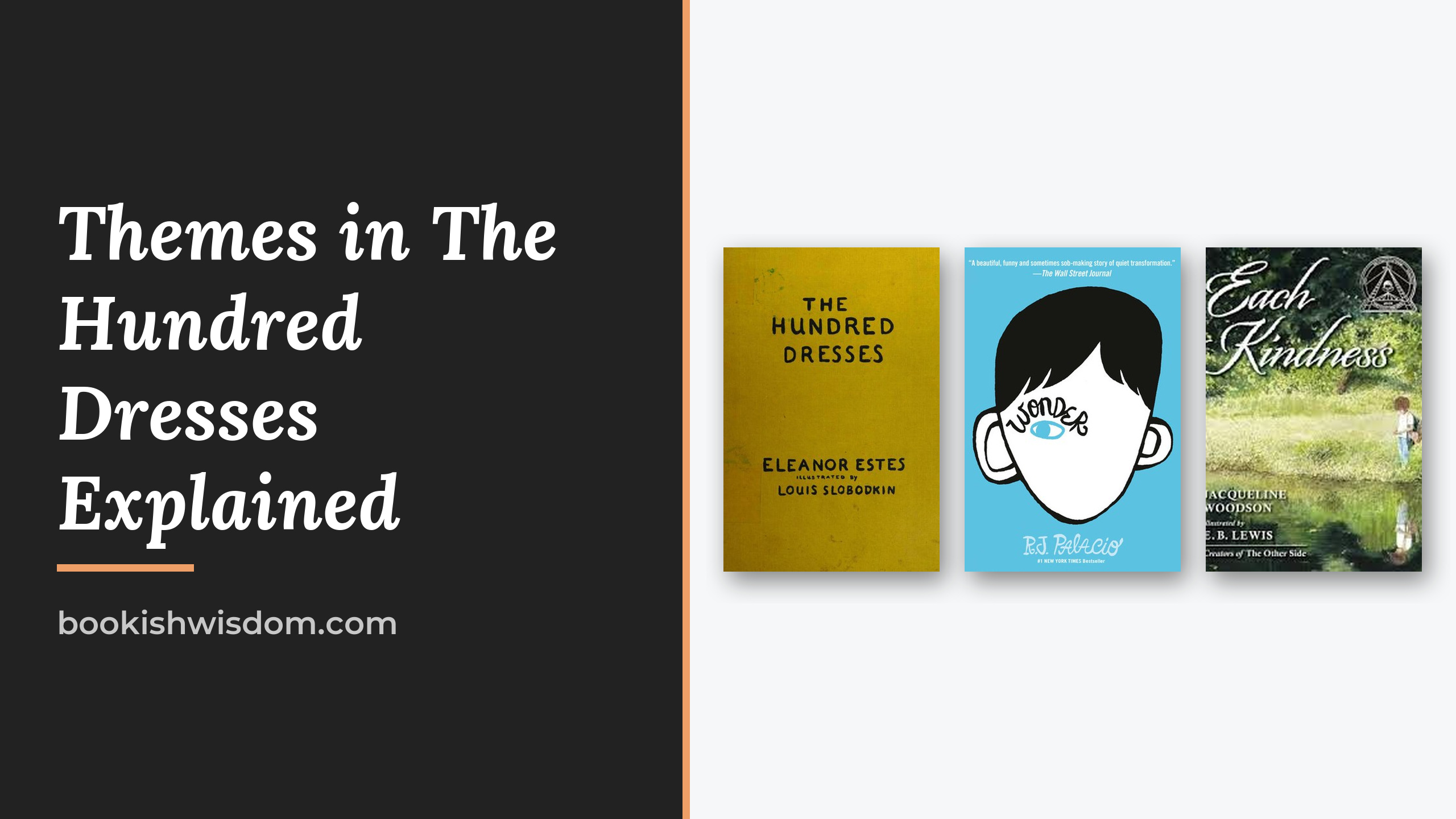
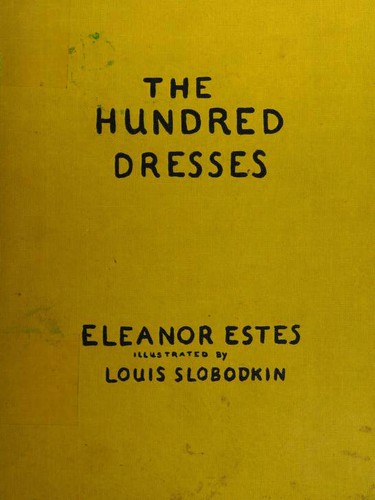
The themes connect through Maddie's guilt. Bullying, difference and art lead to forgiveness. The Hundred Dresses won a Newbery Honor in 1945. Estes based it on her childhood memory of a girl teased at school. Teachers often use it to talk about bullying and speaking up. Louis Slobodkin's illustrations, including the colorful dresses, are part of the book's charm. The story is short enough to read in one sitting, yet it leaves readers thinking about their own behavior long after.
How to Write About the Themes of The Hundred Dresses
If you are writing an essay or preparing for class, these steps help:
- Pick one theme. A focused argument is stronger than a list of everything.
- Find evidence in the text. Point to specific scenes, characters and choices rather than general impressions.
- Explain, don't just describe. After each example, say what it shows about the theme.
- Connect to the ending. Ask how the final chapters resolve or complicate the theme.
- Consider other readings. A fair essay acknowledges that readers can disagree.
Discussion Questions
- Which of the themes above feels most relevant to your own life, and why?
- Do the characters in The Hundred Dresses handle bullying well or badly?
- How does the title relate to the themes of the book?
- Would the story change if it were set in a different time or place?
- What does Eleanor Estes leave unresolved, and why might that be?
Books With Similar Themes
-
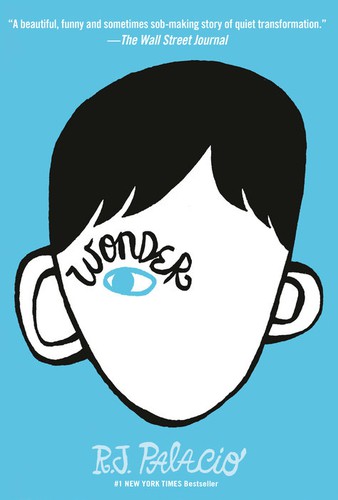
Wonder by R. J. Palacio
-
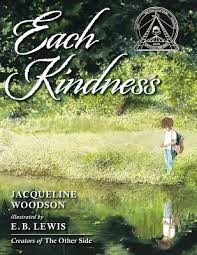
Each Kindness by Jacqueline Woodson
Related: The Hundred Dresses Characters: A Complete Guide · The Hundred Dresses Ending Explained
Frequently Asked Questions
What is the main theme of The Hundred Dresses?
The central theme is bullying, supported by bystanders and poverty and difference.
How many themes does The Hundred Dresses have?
This guide covers 5 main themes, but readers may find others.
Who wrote The Hundred Dresses?
The Hundred Dresses was written by Eleanor Estes and first published in 1944.
Is The Hundred Dresses a good book for studying themes?
Yes. Its themes are clear enough to follow and rich enough to support essays and group discussion.
What should I read after The Hundred Dresses?
Try Wonder by R. J. Palacio or Each Kindness by Jacqueline Woodson.