
Disclosure: As an Amazon Associate, Bookish Wisdom earns from qualifying purchases. This doesn't change our picks or your price.
Spoiler warning: this analysis discusses the whole book, including the ending of The Moonstone.
Quick answer: The main themes in The Moonstone by Wilkie Collins are guilt and responsibility, truth and perspective, class, science and the mind and love and trust. Each is explained below with what it means, how it develops in the story and questions you can use for study or discussion.
Quick facts
- Book: The Moonstone by Wilkie Collins
- First published: 1868
- Main themes: guilt and responsibility, truth and perspective, class, science and the mind and love and trust
Table of Contents
About The Moonstone
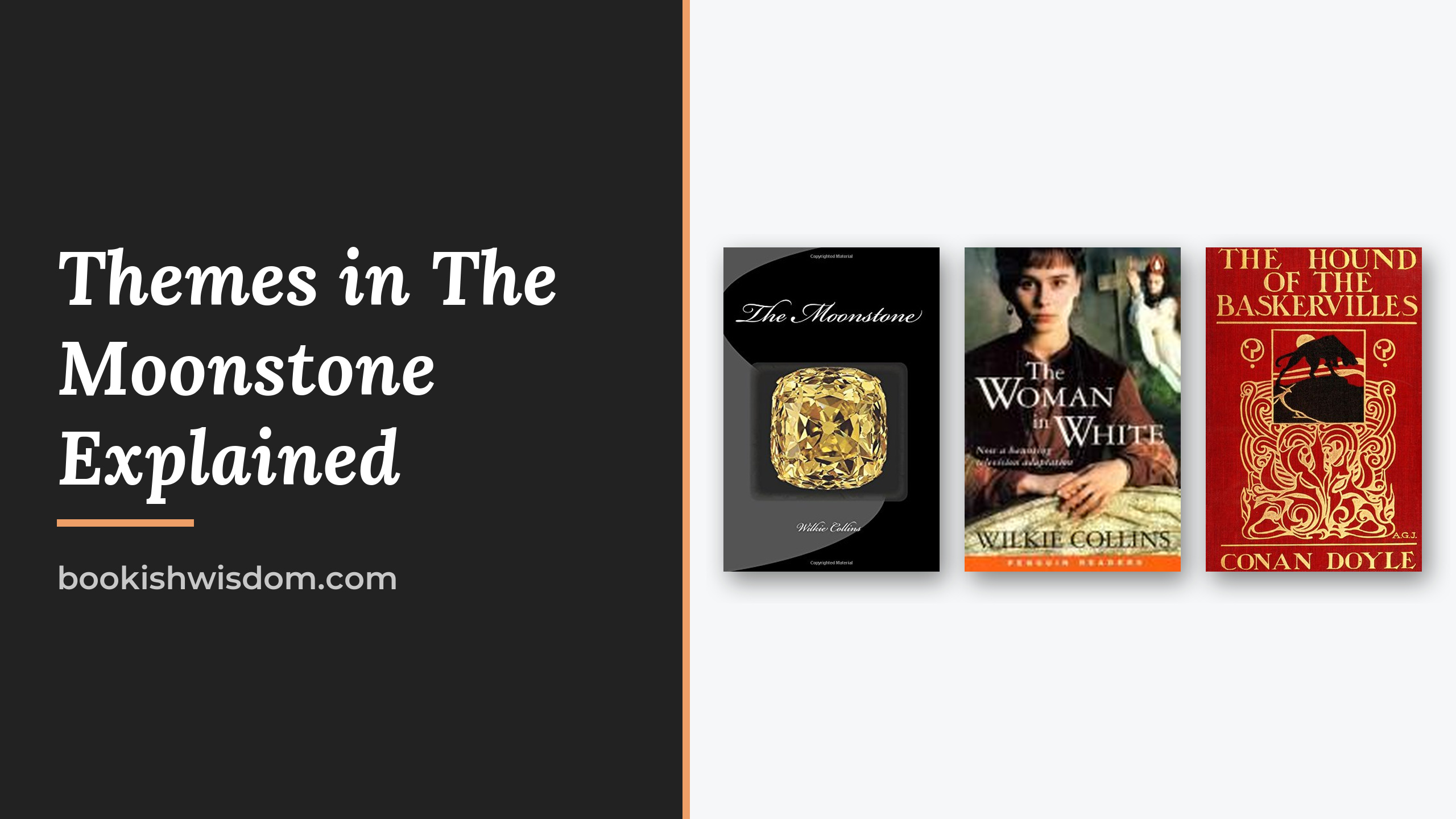
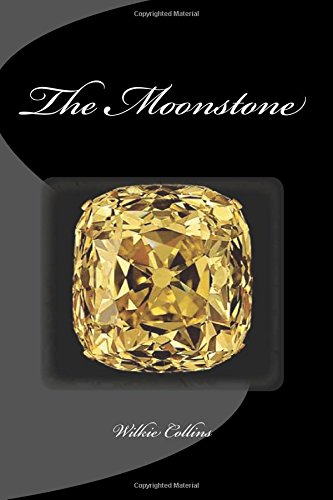
A huge yellow diamond, the Moonstone, was taken from India by a British officer during the 1799 siege of Seringapatam. Years later it is left as a birthday gift to young Rachel Verinder at her Yorkshire country house. The next morning it vanishes. Three mysterious Indian men have been seen nearby, and suspicion falls on servants, guests and even Rachel's suitor, Franklin Blake. Sergeant Cuff, a brilliant detective, investigates, but the truth is revealed only after a year, a scientific experiment and testimony from several narrators.
Check price of The Moonstone on Amazon
The Main Themes in The Moonstone
1. Guilt and responsibility
The diamond carries the guilt of its violent theft from India. Collins suggests that the British Empire's crimes haunt even innocent people at home.
Question to consider: Where in The Moonstone does guilt and responsibility matter most to the characters, and what does Wilkie Collins want readers to think about it?
2. Truth and perspective
The story is told by several narrators, each with limited knowledge and prejudices. Readers must piece together the truth, just as the detective does.
Question to consider: Where in The Moonstone does truth and perspective matter most to the characters, and what does Wilkie Collins want readers to think about it?
3. Class
Servants and gentry see the mystery differently. Collins gives working-class characters such as Gabriel Betteredge and Rosanna Spearman strong voices.
Question to consider: Where in The Moonstone does class matter most to the characters, and what does Wilkie Collins want readers to think about it?
4. Science and the mind
The solution depends on the effects of opium and the unconscious mind. Collins was fascinated by new ideas in psychology.
Question to consider: Where in The Moonstone does science and the mind matter most to the characters, and what does Wilkie Collins want readers to think about it?
5. Love and trust
Rachel's silence and Franklin's confusion test their love. Trust is the hidden key to solving the mystery.
Question to consider: Where in The Moonstone does love and trust matter most to the characters, and what does Wilkie Collins want readers to think about it?
Symbols and Motifs
- The Moonstone. The diamond symbolizes stolen wealth and the curse of empire.
- The Shivering Sand. The quicksand where Rosanna hides evidence represents hidden secrets and despair.
- The paint smear. The smudged door is the crucial clue, symbolizing small details that reveal truth.
- Robinson Crusoe. Betteredge's favorite book is a running joke, showing his comic faith in fixed answers.
How the Themes Connect
The themes connect through the mystery of the diamond. Guilt from empire, multiple perspectives and the hidden workings of the mind all shape the solution. T. S. Eliot called The Moonstone the first, the longest and the best of modern English detective novels. Sergeant Cuff, with his love of roses, inspired many later fictional detectives. Collins wrote much of the book while ill and taking opium himself. Readers enjoy the humor of Betteredge's narration and the challenge of guessing the culprit before the end.
How to Write About the Themes of The Moonstone
If you are writing an essay or preparing for class, these steps help:
- Pick one theme. A focused argument is stronger than a list of everything.
- Find evidence in the text. Point to specific scenes, characters and choices rather than general impressions.
- Explain, don't just describe. After each example, say what it shows about the theme.
- Connect to the ending. Ask how the final chapters resolve or complicate the theme.
- Consider other readings. A fair essay acknowledges that readers can disagree.
Discussion Questions
- Which of the themes above feels most relevant to your own life, and why?
- Do the characters in The Moonstone handle guilt and responsibility well or badly?
- How does the title relate to the themes of the book?
- Would the story change if it were set in a different time or place?
- What does Wilkie Collins leave unresolved, and why might that be?
Books With Similar Themes
-
The Woman in White by Wilkie Collins
-
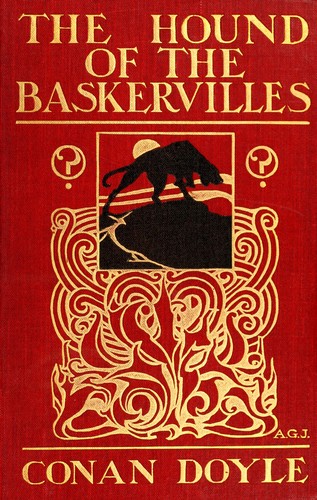
The Hound of the Baskervilles by Arthur Conan Doyle
Related: The Moonstone by Wilkie Collins: Summary and Key Takeaways · The Moonstone Characters: A Complete Guide
Frequently Asked Questions
What is the main theme of The Moonstone?
The central theme is guilt and responsibility, supported by truth and perspective and class.
How many themes does The Moonstone have?
This guide covers 5 main themes, but readers may find others.
Who wrote The Moonstone?
The Moonstone was written by Wilkie Collins and first published in 1868.
Is The Moonstone a good book for studying themes?
Yes. Its themes are clear enough to follow and rich enough to support essays and group discussion.
What should I read after The Moonstone?
Try The Woman in White by Wilkie Collins or The Hound of the Baskervilles by Arthur Conan Doyle.