
Disclosure: As an Amazon Associate, Bookish Wisdom earns from qualifying purchases. This doesn't change our picks or your price.
Spoiler warning: this analysis discusses the whole book, including the ending of The Ocean at the End of the Lane.
Quick answer: The main themes in The Ocean at the End of the Lane by Neil Gaiman are childhood and memory, fear and courage, sacrifice, adults and children and books and imagination. Each is explained below with what it means, how it develops in the story and questions you can use for study or discussion.
Quick facts
- Book: The Ocean at the End of the Lane by Neil Gaiman
- First published: 2013
- Main themes: childhood and memory, fear and courage, sacrifice, adults and children and books and imagination
Table of Contents
About The Ocean at the End of the Lane
A middle-aged man returns to his childhood home in rural Sussex for a funeral and wanders to the farm at the end of the lane, where the Hempstock women live. Sitting by the duck pond, which a girl named Lettie once called an ocean, he remembers events from when he was seven. A lodger killed himself in the family car, releasing an ancient, hungry being into the world. Lettie, her mother and her grandmother protected him from it, especially when it took the shape of a frightening new housekeeper named Ursula Monkton.
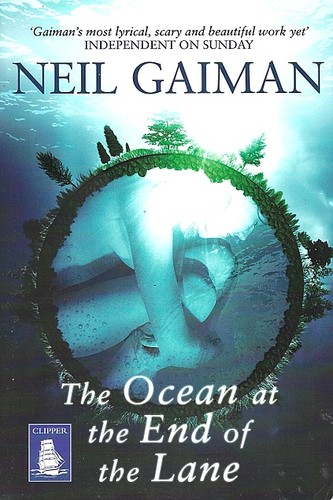
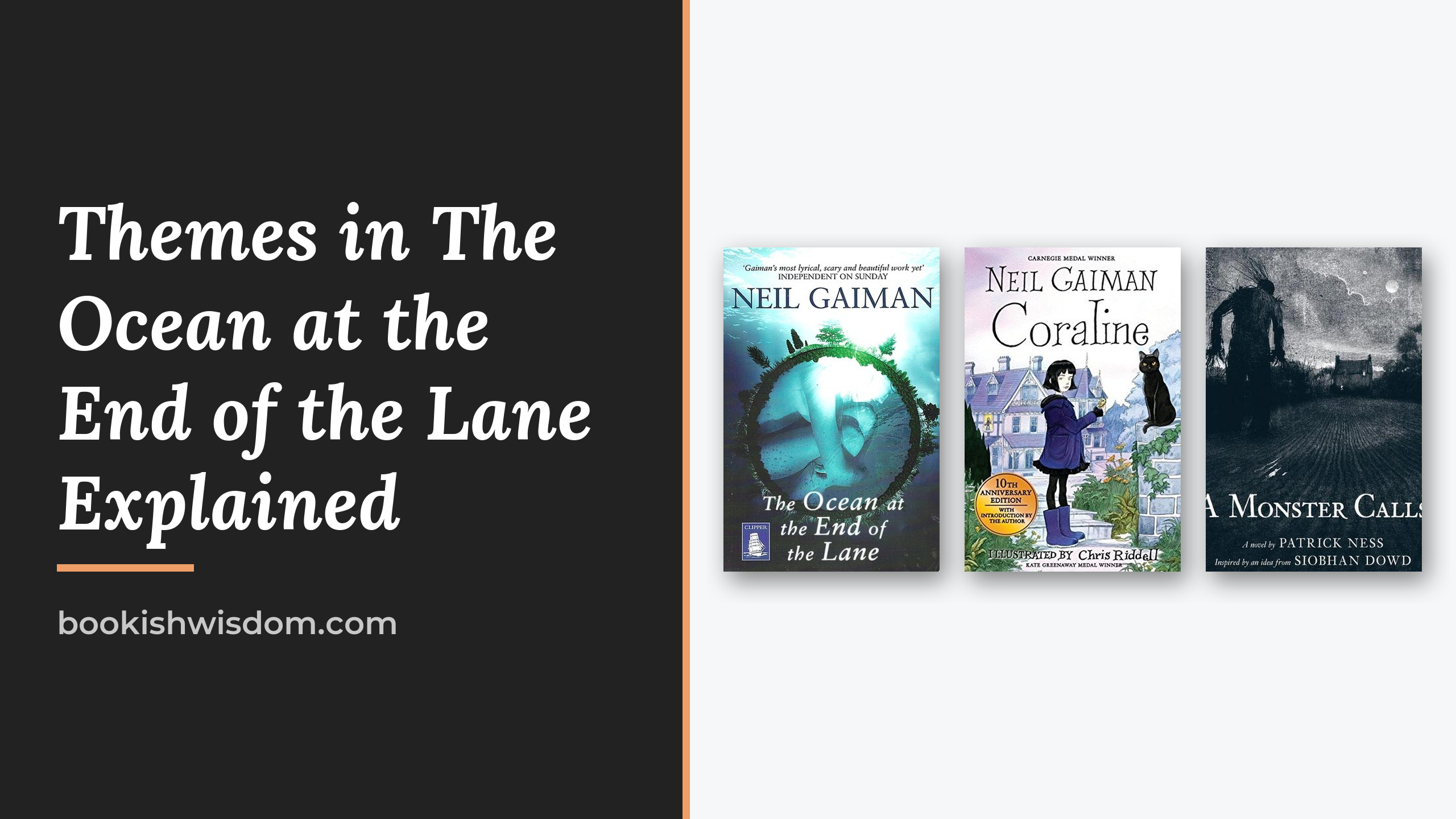
Check price of The Ocean at the End of the Lane on Amazon
The Main Themes in The Ocean at the End of the Lane
1. Childhood and memory
The narrator has forgotten the magical events of his childhood, and remembers them only when he returns. Gaiman explores how childhood memories fade and return.
Question to consider: Where in The Ocean at the End of the Lane does childhood and memory matter most to the characters, and what does Neil Gaiman want readers to think about it?
2. Fear and courage
As a child, the narrator faces terrifying forces. Gaiman shows children's fears as real and serious.
Question to consider: Where in The Ocean at the End of the Lane does fear and courage matter most to the characters, and what does Neil Gaiman want readers to think about it?
3. Sacrifice
Lettie sacrifices herself to save the narrator.
Question to consider: Where in The Ocean at the End of the Lane does sacrifice matter most to the characters, and what does Neil Gaiman want readers to think about it?
4. Adults and children
The narrator's father becomes cruel under Ursula's influence. Gaiman shows how frightening adults can be to children.
Question to consider: Where in The Ocean at the End of the Lane does adults and children matter most to the characters, and what does Neil Gaiman want readers to think about it?
5. Books and imagination
The narrator escapes into books, which give him comfort.
Question to consider: Where in The Ocean at the End of the Lane does books and imagination matter most to the characters, and what does Neil Gaiman want readers to think about it?
Symbols and Motifs
- The ocean. The duck pond represents the vastness of knowledge and memory.
- The Hempstocks. The three women represent ancient wisdom and protection.
- The worm in his foot. Represents the invasion of evil.
- The kitten. The black kitten represents comfort.
How the Themes Connect
The themes connect through the narrator's memories. Fear, courage and sacrifice shape his childhood, and memory brings them back. Gaiman drew on his own childhood, including the real suicide of a lodger. The novel won the British Book Award for Book of the Year and was adapted into a National Theatre play.
How to Write About the Themes of The Ocean at the End of the Lane
If you are writing an essay or preparing for class, these steps help:
- Pick one theme. A focused argument is stronger than a list of everything.
- Find evidence in the text. Point to specific scenes, characters and choices rather than general impressions.
- Explain, don't just describe. After each example, say what it shows about the theme.
- Connect to the ending. Ask how the final chapters resolve or complicate the theme.
- Consider other readings. A fair essay acknowledges that readers can disagree.
Discussion Questions
- Which of the themes above feels most relevant to your own life, and why?
- Do the characters in The Ocean at the End of the Lane handle childhood and memory well or badly?
- How does the title relate to the themes of the book?
- Would the story change if it were set in a different time or place?
- What does Neil Gaiman leave unresolved, and why might that be?
Books With Similar Themes
-
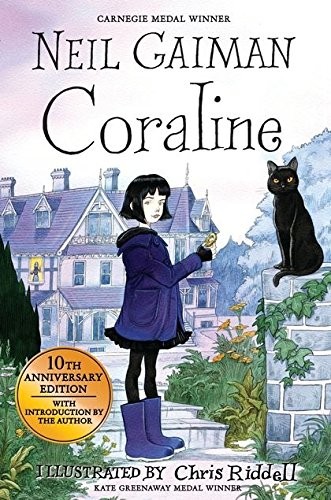
Coraline by Neil Gaiman
-
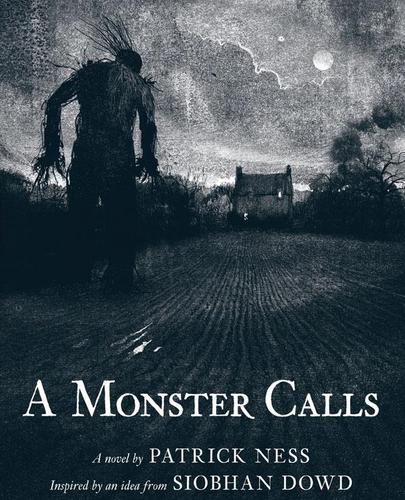
A Monster Calls by Patrick Ness
Related: The Ocean at the End of the Lane by Neil Gaiman: Summary and Key Takeaways · The Ocean at the End of the Lane Characters: A Complete Guide
Frequently Asked Questions
What is the main theme of The Ocean at the End of the Lane?
The central theme is childhood and memory, supported by fear and courage and sacrifice.
How many themes does The Ocean at the End of the Lane have?
This guide covers 5 main themes, but readers may find others.
Who wrote The Ocean at the End of the Lane?
The Ocean at the End of the Lane was written by Neil Gaiman and first published in 2013.
Is The Ocean at the End of the Lane a good book for studying themes?
Yes. Its themes are clear enough to follow and rich enough to support essays and group discussion.
What should I read after The Ocean at the End of the Lane?
Try Coraline by Neil Gaiman or A Monster Calls by Patrick Ness.