
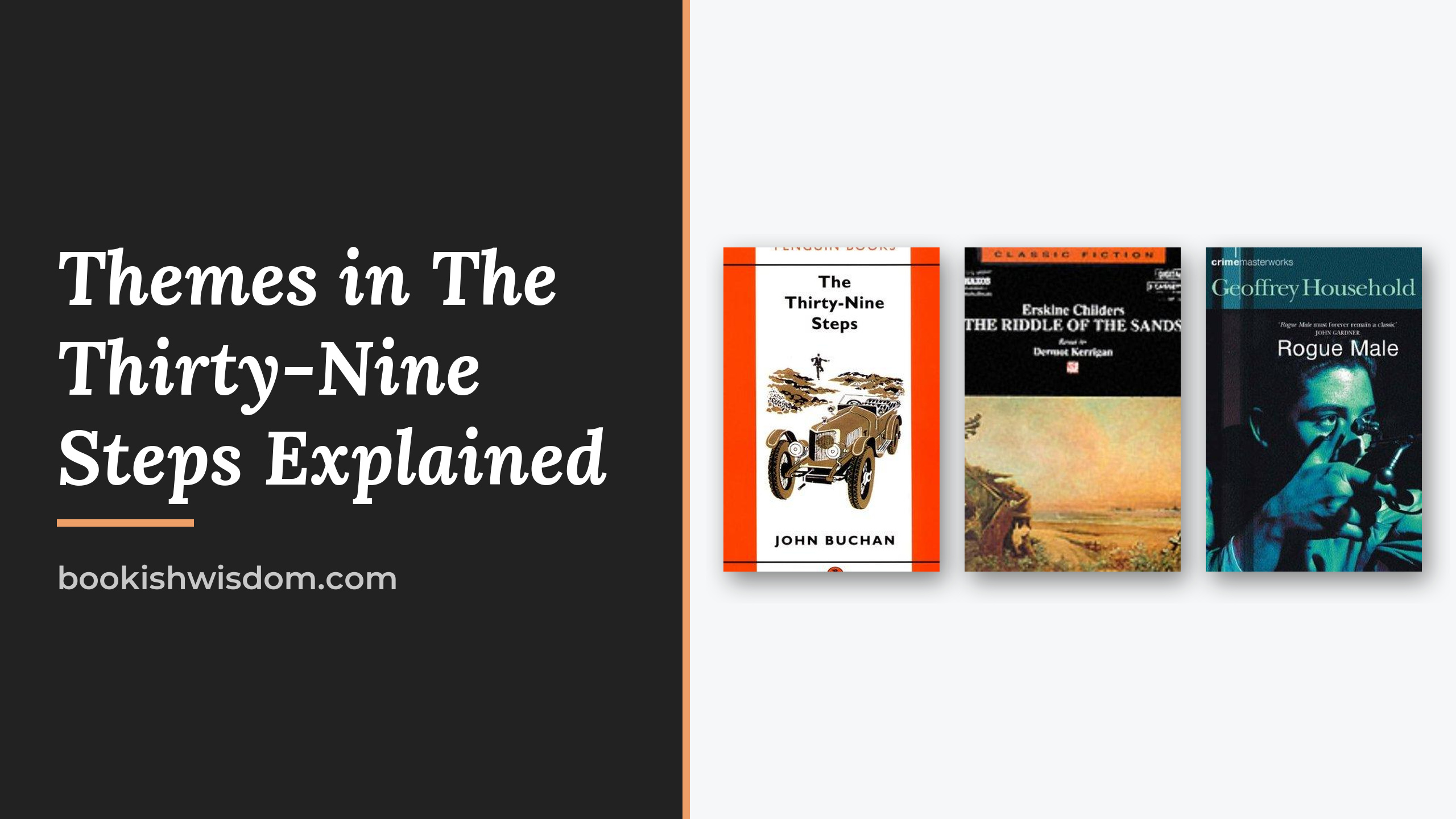
Disclosure: As an Amazon Associate, Bookish Wisdom earns from qualifying purchases. This doesn't change our picks or your price.
Spoiler warning: this analysis discusses the whole book, including the ending of The Thirty-Nine Steps.
Quick answer: The main themes in The Thirty-Nine Steps by John Buchan are the ordinary hero, identity and disguise, the chase, patriotism and duty and the wilderness. Each is explained below with what it means, how it develops in the story and questions you can use for study or discussion.
Quick facts
- Book: The Thirty-Nine Steps by John Buchan
- First published: 1915
- Main themes: the ordinary hero, identity and disguise, the chase, patriotism and duty and the wilderness
Table of Contents
About The Thirty-Nine Steps
Richard Hannay, a bored mining engineer recently returned to London from southern Africa, is drawn into a conspiracy when his neighbor, an American spy named Scudder, is murdered in Hannay's flat. Scudder had uncovered a German plot to steal British naval plans before the outbreak of war. Suspected of murder and hunted by the police and enemy agents, Hannay flees to Scotland, using disguises and wits to survive, before cracking the mystery of the thirty-nine steps.
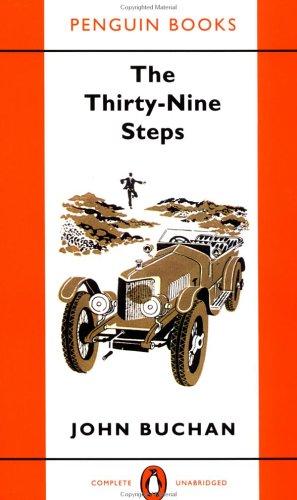
Check price of The Thirty-Nine Steps on Amazon
The Main Themes in The Thirty-Nine Steps
1. The ordinary hero
Hannay is not a trained spy, just a capable man thrown into danger. His courage and quick thinking make him an early model for the everyday hero.
Question to consider: Where in The Thirty-Nine Steps does the ordinary hero matter most to the characters, and what does John Buchan want readers to think about it?
2. Identity and disguise
Hannay disguises himself as a milkman, a road mender and a political speaker, while the enemy hide behind respectable faces. Appearances constantly mislead.
Question to consider: Where in The Thirty-Nine Steps does identity and disguise matter most to the characters, and what does John Buchan want readers to think about it?
3. The chase
The story is built around pursuit across moors and hills. The constant danger creates suspense.
Question to consider: Where in The Thirty-Nine Steps does the chase matter most to the characters, and what does John Buchan want readers to think about it?
4. Patriotism and duty
Hannay risks everything to protect Britain on the brink of war. Buchan wrote the novel as the First World War began.
Question to consider: Where in The Thirty-Nine Steps does patriotism and duty matter most to the characters, and what does John Buchan want readers to think about it?
5. The wilderness
The Scottish moors offer both escape and exposure. Hannay relies on nature to hide.
Question to consider: Where in The Thirty-Nine Steps does the wilderness matter most to the characters, and what does John Buchan want readers to think about it?
Symbols and Motifs
- The thirty-nine steps. The steps symbolize the hidden clue at the heart of the mystery.
- Scudder's notebook. The coded notebook stands for dangerous secret knowledge.
- Disguises. They represent the fluid identities in a world of spies.
- The moors. The open land represents freedom and danger.
How the Themes Connect
The themes connect through Hannay's chase. Disguises, danger and duty test his character. The novel helped create the modern spy thriller and inspired Alfred Hitchcock's 1935 film. Hannay's adventures continued in Greenmantle and Mr Standfast. Buchan, who later became Governor General of Canada, called the book a 'shocker', a fast adventure written for entertainment, yet its themes of identity and duty still give students plenty to discuss. The famous chase across the moors has been copied by countless later thrillers and films.
How to Write About the Themes of The Thirty-Nine Steps
If you are writing an essay or preparing for class, these steps help:
- Pick one theme. A focused argument is stronger than a list of everything.
- Find evidence in the text. Point to specific scenes, characters and choices rather than general impressions.
- Explain, don't just describe. After each example, say what it shows about the theme.
- Connect to the ending. Ask how the final chapters resolve or complicate the theme.
- Consider other readings. A fair essay acknowledges that readers can disagree.
Discussion Questions
- Which of the themes above feels most relevant to your own life, and why?
- Do the characters in The Thirty-Nine Steps handle the ordinary hero well or badly?
- How does the title relate to the themes of the book?
- Would the story change if it were set in a different time or place?
- What does John Buchan leave unresolved, and why might that be?
Books With Similar Themes
-
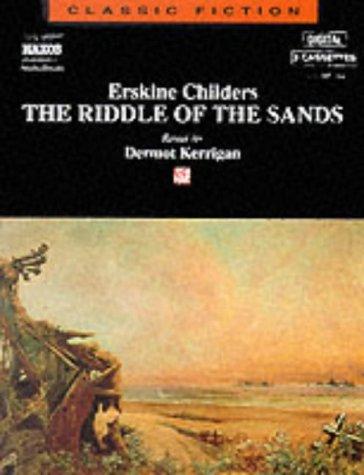
The Riddle of the Sands by Erskine Childers
-
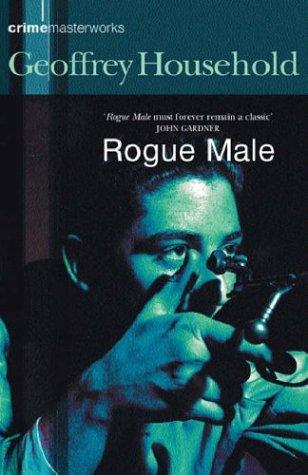
Rogue Male by Geoffrey Household
Related: The Thirty-Nine Steps by John Buchan: Summary and Key Takeaways · The Thirty-Nine Steps Characters: A Complete Guide
Frequently Asked Questions
What is the main theme of The Thirty-Nine Steps?
The central theme is the ordinary hero, supported by identity and disguise and the chase.
How many themes does The Thirty-Nine Steps have?
This guide covers 5 main themes, but readers may find others.
Who wrote The Thirty-Nine Steps?
The Thirty-Nine Steps was written by John Buchan and first published in 1915.
Is The Thirty-Nine Steps a good book for studying themes?
Yes. Its themes are clear enough to follow and rich enough to support essays and group discussion.
What should I read after The Thirty-Nine Steps?
Try The Riddle of the Sands by Erskine Childers or Rogue Male by Geoffrey Household.