
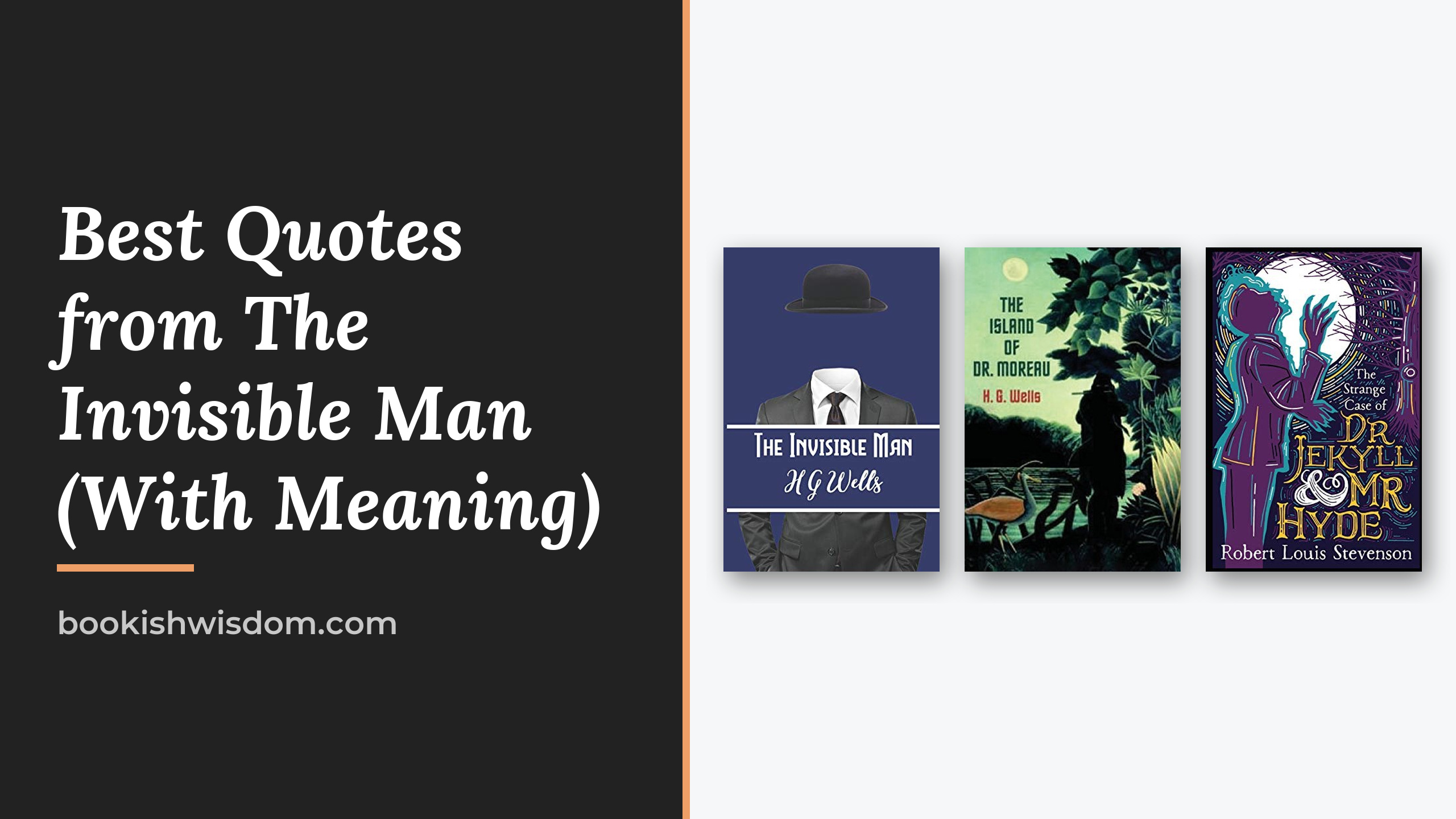
Disclosure: As an Amazon Associate, Bookish Wisdom earns from qualifying purchases. This doesn't change our picks or your price.
Quick answer: The best quotes from The Invisible Man by H. G. Wells include “The stranger came early in February, one wintry day, through a biting wind and a driving snow” and “An Invisible Man is a man of power.” Below are 3 of the most memorable lines, with who says them, where they come from and what they mean.
Quick facts
- Book: The Invisible Man by H. G. Wells
- First published: 1897
- Quotes covered: 3
- Best for: essays, captions, book club talks and rereads
Table of Contents
What The Invisible Man Is About
On a snowy February day, a mysterious stranger wrapped in bandages, goggles and a hat arrives at an inn in the English village of Iping. The villagers grow suspicious of his temper and his strange experiments. He is Griffin, a brilliant scientist who has made himself invisible but cannot reverse the process. As his money runs out and his secret is exposed, Griffin turns to theft and violence, and plans a reign of terror before he is finally hunted down.
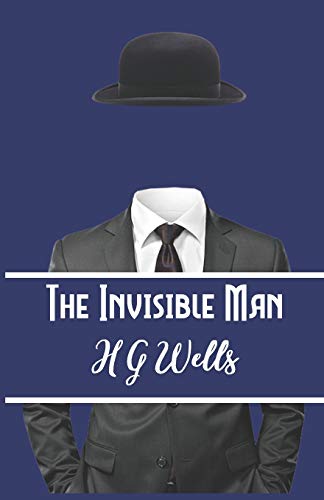
Check price of The Invisible Man on Amazon
The Best Quotes from The Invisible Man, Explained
1. “The stranger came early in February, one wintry day, through a biting wind and a driving snow”
Opening line. Wells begins like a mystery. The bundled-up stranger is strange before we know why.
2. “An Invisible Man is a man of power.”
Griffin, to Kemp. Griffin believes invisibility makes him untouchable. The line shows how power has corrupted him.
3. “Alone, it is wonderful how little a man can do alone!”
Griffin. Griffin discovers that invisibility makes ordinary life almost impossible. He cannot eat, sleep or walk outside safely without being seen through.
Why These Lines Stay With Readers
The Invisible Man is one of the founding works of science fiction, alongside Wells's The Time Machine and The War of the Worlds. Wells uses the fantastic idea to explore what happens when science is used without responsibility and when a person feels above other people's rules. Griffin starts as a sympathetic genius but becomes cruel and paranoid, which makes him a classic example of the mad scientist. The story mixes dark comedy, especially in the village scenes, with real menace. It inspired the 1933 Universal film with Claude Rains and many later versions, including a 2020 thriller. Its quotes are used to discuss power, isolation, ambition and the ethics of science. Readers should not confuse it with Ralph Ellison's 1952 novel Invisible Man, which has a different title and subject.
How to Use These Quotes
- In an essay: introduce the quote, give its context in one sentence, then explain how it supports your point.
- For a book club: read one line aloud and ask whether everyone agrees with the speaker.
- For a caption or card: pick a short line and credit H. G. Wells and The Invisible Man.
- For a reread: look for the moment each line appears and notice what changes around it.
A Note on Quoting The Invisible Man Accurately
Wording can differ slightly between editions, translations and film versions, and many lines shared online are paraphrased or misattributed. If you need an exact quote for an essay, check it against a printed copy of The Invisible Man and note the edition and page number. The lines above are given as they appear in the book, not as they were changed for later adaptations.
When you quote in an essay, keep the quotation short and let your own explanation do most of the work. A good pattern is to name the speaker, place the line in the story, quote it and then spend two or three sentences on what it shows. Quotes from The Invisible Man work best when they support a clear point about a character or theme, rather than standing alone.
Reading the Lines in Context
A quote often means more once you know where it falls in the story. Before using any of these lines, reread the surrounding page or two and ask what has just happened, who is listening and what the speaker wants. The same words can sound hopeful, ironic or desperate depending on that moment. Noticing this context is what turns a memorable line into real evidence for an argument about the book.
Discussion Questions
- Which quote above best sums up The Invisible Man for you, and why?
- Do any of these lines mean something different once you know how the book ends?
- Which quote would you disagree with, and what would you say back?
If You Love the Writing in The Invisible Man
-
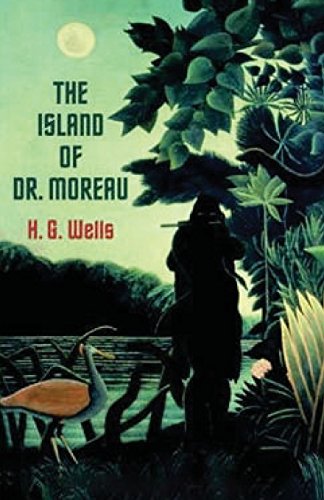
The Island of Doctor Moreau by H. G. Wells
-
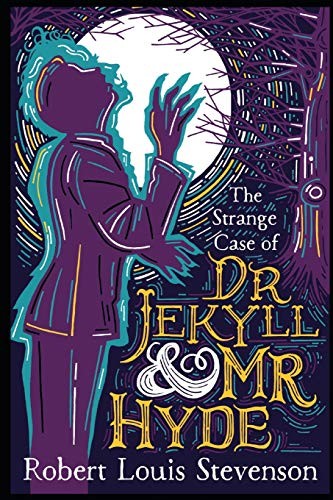
Dr Jekyll and Mr Hyde by Robert Louis Stevenson
Related: Invisible Man by Ralph Ellison: Summary and Key Takeaways · The Invisible Man by H.G. Wells: Summary and Key Takeaways
Frequently Asked Questions
What is the most famous quote from The Invisible Man?
One of the best-known lines is “The stranger came early in February, one wintry day, through a biting wind and a driving snow” (opening line).
Who wrote The Invisible Man?
The Invisible Man was written by H. G. Wells and first published in 1897.
Can I use quotes from The Invisible Man in an essay?
Yes. Short quotations with clear credit to H. G. Wells are standard in essays and reviews. Always explain the quote in your own words.
What should I read after The Invisible Man?
Try The Island of Doctor Moreau by H. G. Wells or Dr Jekyll and Mr Hyde by Robert Louis Stevenson.