
Disclosure: As an Amazon Associate, Bookish Wisdom earns from qualifying purchases. This doesn't change our picks or your price.
Spoiler warning: this analysis discusses the whole book, including the ending of The Trumpet of the Swan.
Quick answer: The main themes in The Trumpet of the Swan by E. B. White are overcoming disability, communication, honesty and debt, love and freedom and nature. Each is explained below with what it means, how it develops in the story and questions you can use for study or discussion.
Quick facts
- Book: The Trumpet of the Swan by E. B. White
- First published: 1970
- Main themes: overcoming disability, communication, honesty and debt, love and freedom and nature
Table of Contents
About The Trumpet of the Swan
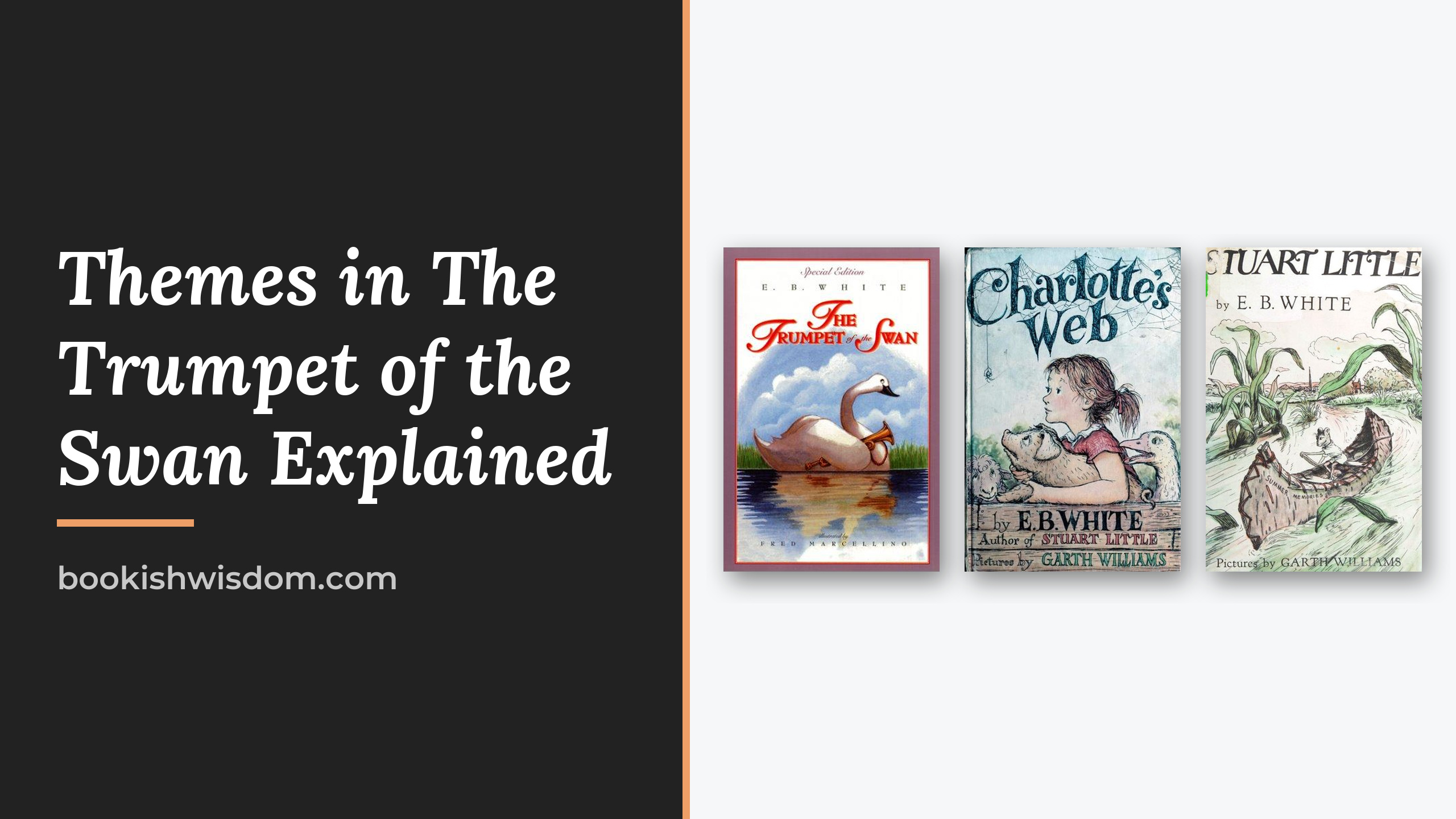
Louis is a trumpeter swan born without a voice, which means he cannot call to other swans or attract a mate. His friend Sam Beaver, a boy in Canada, helps him learn to read and write, but other swans cannot read. Louis's father steals a trumpet from a music store in Montana for him. Louis learns to play it beautifully, works at a summer camp, on a Boston swan boat and in a Philadelphia nightclub to repay the debt, and finally wins the love of a swan named Serena.
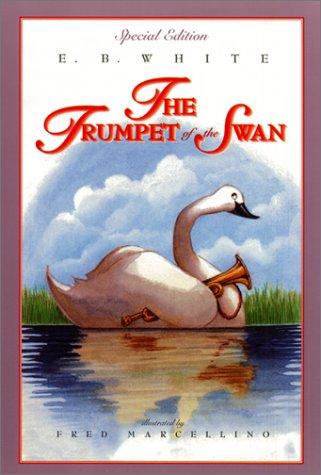
Check price of The Trumpet of the Swan on Amazon
The Main Themes in The Trumpet of the Swan
1. Overcoming disability
Louis is born unable to make sound, but he finds other ways to communicate. White shows that a difference can lead to creativity and achievement.
Question to consider: Where in The Trumpet of the Swan does overcoming disability matter most to the characters, and what does E. B. White want readers to think about it?
2. Communication
Louis learns to write, then play the trumpet. The story shows how important it is to find your own voice.
Question to consider: Where in The Trumpet of the Swan does communication matter most to the characters, and what does E. B. White want readers to think about it?
3. Honesty and debt
Louis's father steals the trumpet out of love. Louis works hard to pay back every cent, showing integrity.
Question to consider: Where in The Trumpet of the Swan does honesty and debt matter most to the characters, and what does E. B. White want readers to think about it?
4. Love
Louis plays music to win Serena. His devotion reflects the swans' lifelong partnerships.
Question to consider: Where in The Trumpet of the Swan does love matter most to the characters, and what does E. B. White want readers to think about it?
5. Freedom and nature
Louis enjoys success in cities, but chooses to return to the wild. White celebrates nature and freedom.
Question to consider: Where in The Trumpet of the Swan does freedom and nature matter most to the characters, and what does E. B. White want readers to think about it?
Symbols and Motifs
- The trumpet. It stands for Louis's voice, talent and identity.
- The slate and chalk. Louis's writing tools symbolize his first attempt to communicate.
- The money bag. The bag around his neck represents his debt and honesty.
- Sam's journal. Sam's notes about nature show curiosity and observation.
How the Themes Connect
The themes connect through Louis's search for a voice. His disability, honesty and love all shape his journey, and his return to the wilderness shows that success means living true to himself. The novel was E. B. White's last book for children, following Stuart Little and Charlotte's Web. White knew the wild places of Canada and Montana well, and his love for nature fills the book. Readers often discuss whether Louis's father was right to steal the trumpet, and how Louis balances gratitude with independence. The book is also a gentle introduction to the idea that people with disabilities should be judged by what they can do.
How to Write About the Themes of The Trumpet of the Swan
If you are writing an essay or preparing for class, these steps help:
- Pick one theme. A focused argument is stronger than a list of everything.
- Find evidence in the text. Point to specific scenes, characters and choices rather than general impressions.
- Explain, don't just describe. After each example, say what it shows about the theme.
- Connect to the ending. Ask how the final chapters resolve or complicate the theme.
- Consider other readings. A fair essay acknowledges that readers can disagree.
Discussion Questions
- Which of the themes above feels most relevant to your own life, and why?
- Do the characters in The Trumpet of the Swan handle overcoming disability well or badly?
- How does the title relate to the themes of the book?
- Would the story change if it were set in a different time or place?
- What does E. B. White leave unresolved, and why might that be?
Books With Similar Themes
-
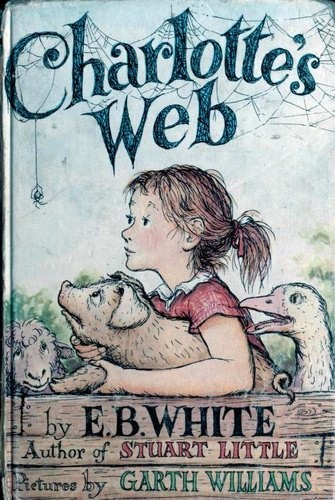
Charlotte's Web by E. B. White
-
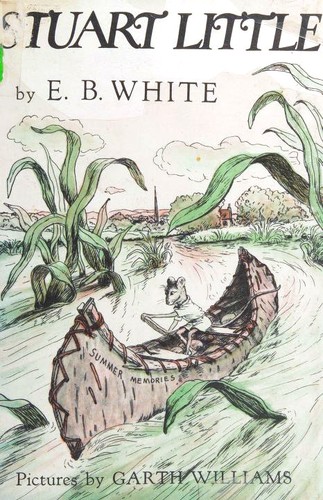
Stuart Little by E. B. White
Related: The Trumpet of the Swan Characters: A Complete Guide · The Trumpet of the Swan Ending Explained
Frequently Asked Questions
What is the main theme of The Trumpet of the Swan?
The central theme is overcoming disability, supported by communication and honesty and debt.
How many themes does The Trumpet of the Swan have?
This guide covers 5 main themes, but readers may find others.
Who wrote The Trumpet of the Swan?
The Trumpet of the Swan was written by E. B. White and first published in 1970.
Is The Trumpet of the Swan a good book for studying themes?
Yes. Its themes are clear enough to follow and rich enough to support essays and group discussion.
What should I read after The Trumpet of the Swan?
Try Charlotte's Web by E. B. White or Stuart Little by E. B. White.