
Disclosure: As an Amazon Associate, Bookish Wisdom earns from qualifying purchases. This doesn't change our picks or your price.
Spoiler warning: this analysis discusses the whole book, including the ending of To Build a Fire.
Quick answer: The main themes in To Build a Fire by Jack London are man versus nature, overconfidence, instinct versus reason, survival and death and acceptance. Each is explained below with what it means, how it develops in the story and questions you can use for study or discussion.
Quick facts
- Book: To Build a Fire by Jack London
- First published: 1908
- Main themes: man versus nature, overconfidence, instinct versus reason, survival and death and acceptance
Table of Contents
About To Build a Fire
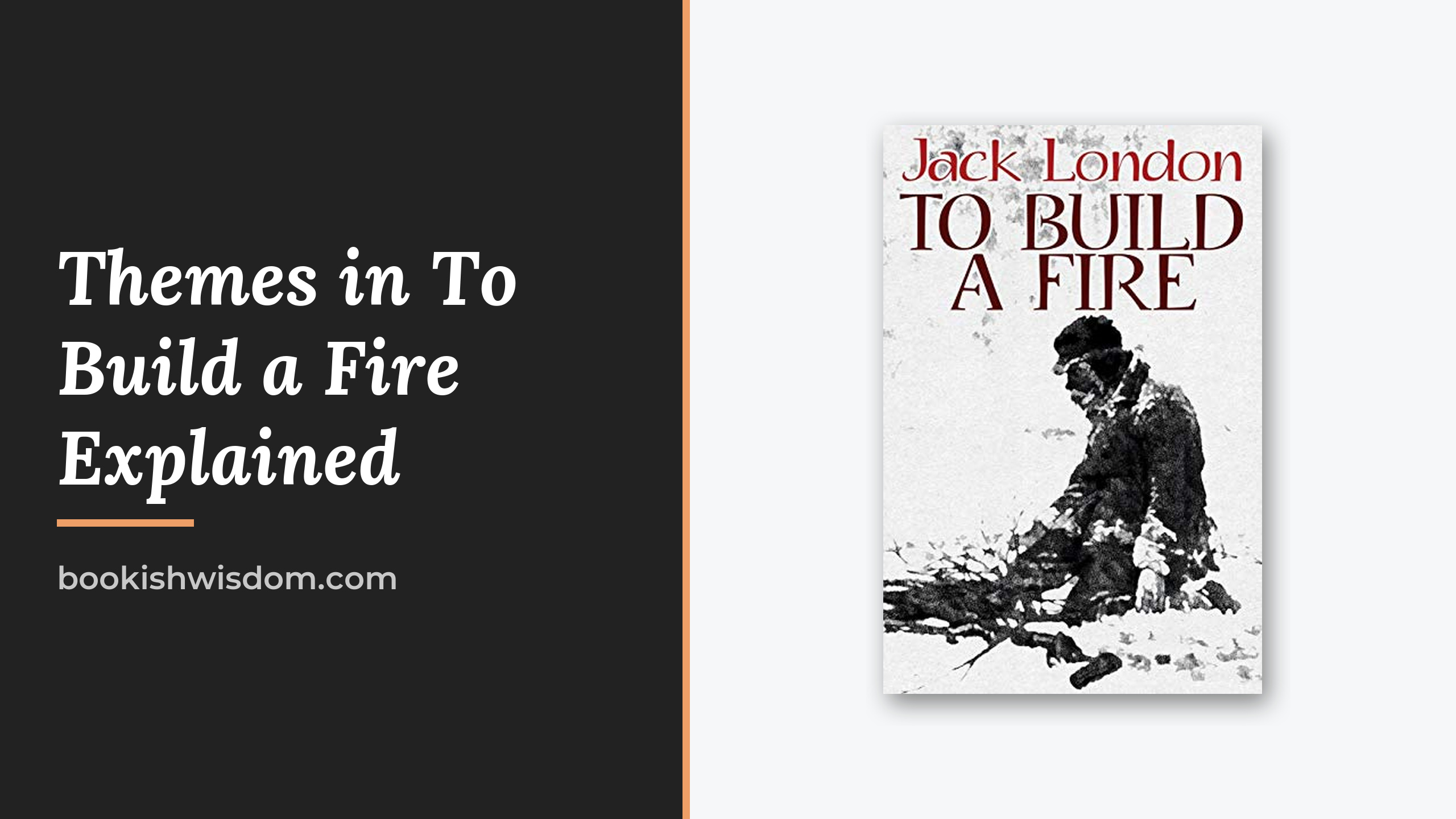
On a bitterly cold morning in the Yukon, with the temperature at seventy-five degrees below zero, an unnamed man sets out alone to walk to a mining camp where his friends are waiting. An old-timer had warned him never to travel alone in such cold, but the man is confident. Only a wolf-dog follows him. When he breaks through thin ice and soaks his feet, he must build a fire to survive, and every small mistake becomes deadly.
Check price of To Build a Fire on Amazon
The Main Themes in To Build a Fire
1. Man versus nature
The story shows a lone human facing a frozen wilderness that does not care whether he lives or dies. London presents nature as powerful, indifferent and impossible to bargain with, no matter how confident a person feels.
Question to consider: Where in To Build a Fire does man versus nature matter most to the characters, and what does Jack London want readers to think about it?
2. Overconfidence
The man ignores the old-timer's warning and trusts his own judgement. His pride and lack of imagination lead directly to disaster, making the story a sharp lesson about respecting experience and limits.
Question to consider: Where in To Build a Fire does overconfidence matter most to the characters, and what does Jack London want readers to think about it?
3. Instinct versus reason
The dog survives through instinct, sensing the danger of the cold, while the man relies on reasoning that fails him. London asks whether instinct is sometimes wiser than human intelligence.
Question to consider: Where in To Build a Fire does instinct versus reason matter most to the characters, and what does Jack London want readers to think about it?
4. Survival
Each step of building a fire becomes a desperate fight for survival. The story shows how thin the line between life and death can be in extreme conditions.
Question to consider: Where in To Build a Fire does survival matter most to the characters, and what does Jack London want readers to think about it?
5. Death and acceptance
As the man's attempts fail, he slowly accepts his fate. The ending is calm and chilling, showing death arriving quietly rather than dramatically.
Question to consider: Where in To Build a Fire does death and acceptance matter most to the characters, and what does Jack London want readers to think about it?
Symbols and Motifs
- The fire. It represents life, warmth and the man's last hope.
- The cold. It stands for nature's overwhelming, indifferent power.
- The dog. It symbolises instinct and the natural knowledge the man lacks.
- The old-timer. He represents experience and wisdom that the man ignores.
How the Themes Connect
Man versus nature sets the stage, and overconfidence explains why the man walks into danger alone. The contrast between instinct and reason shows why the dog survives when he does not. The struggle for survival builds tension with every match, and the quiet acceptance of death at the end leaves readers with a lasting chill. Together the themes form London's warning that nature always wins when people forget their limits.
How to Write About the Themes of To Build a Fire
If you are writing an essay or preparing for class, these steps help:
- Pick one theme. A focused argument is stronger than a list of everything.
- Find evidence in the text. Point to specific scenes, characters and choices rather than general impressions.
- Explain, don't just describe. After each example, say what it shows about the theme.
- Connect to the ending. Ask how the final chapters resolve or complicate the theme.
- Consider other readings. A fair essay acknowledges that readers can disagree.
Discussion Questions
- Which of the themes above feels most relevant to your own life, and why?
- Do the characters in To Build a Fire handle man versus nature well or badly?
- How does the title relate to the themes of the book?
- Would the story change if it were set in a different time or place?
- What does Jack London leave unresolved, and why might that be?
Books With Similar Themes
- The Call of the Wild by Jack London
- Hatchet by Gary Paulsen
Related: To Build a Fire by Jack London: Summary and Key Takeaways · To Build a Fire Book Club Discussion Questions
Frequently Asked Questions
What is the main theme of To Build a Fire?
The central theme is man versus nature, supported by overconfidence and instinct versus reason.
How many themes does To Build a Fire have?
This guide covers 5 main themes, but readers may find others.
Who wrote To Build a Fire?
To Build a Fire was written by Jack London and first published in 1908.
Is To Build a Fire a good book for studying themes?
Yes. Its themes are clear enough to follow and rich enough to support essays and group discussion.
What should I read after To Build a Fire?
Try The Call of the Wild by Jack London or Hatchet by Gary Paulsen.