
Disclosure: As an Amazon Associate, Bookish Wisdom earns from qualifying purchases. This doesn't change our picks or your price.
Spoiler warning: this analysis discusses the whole book, including the ending of Winnie-the-Pooh.
Quick answer: The main themes in Winnie-the-Pooh by A.A. Milne are friendship, innocence and childhood, simplicity, imagination and kindness. Each is explained below with what it means, how it develops in the story and questions you can use for study or discussion.
Quick facts
- Book: Winnie-the-Pooh by A.A. Milne
- First published: 1926
- Main themes: friendship, innocence and childhood, simplicity, imagination and kindness
Table of Contents
About Winnie-the-Pooh
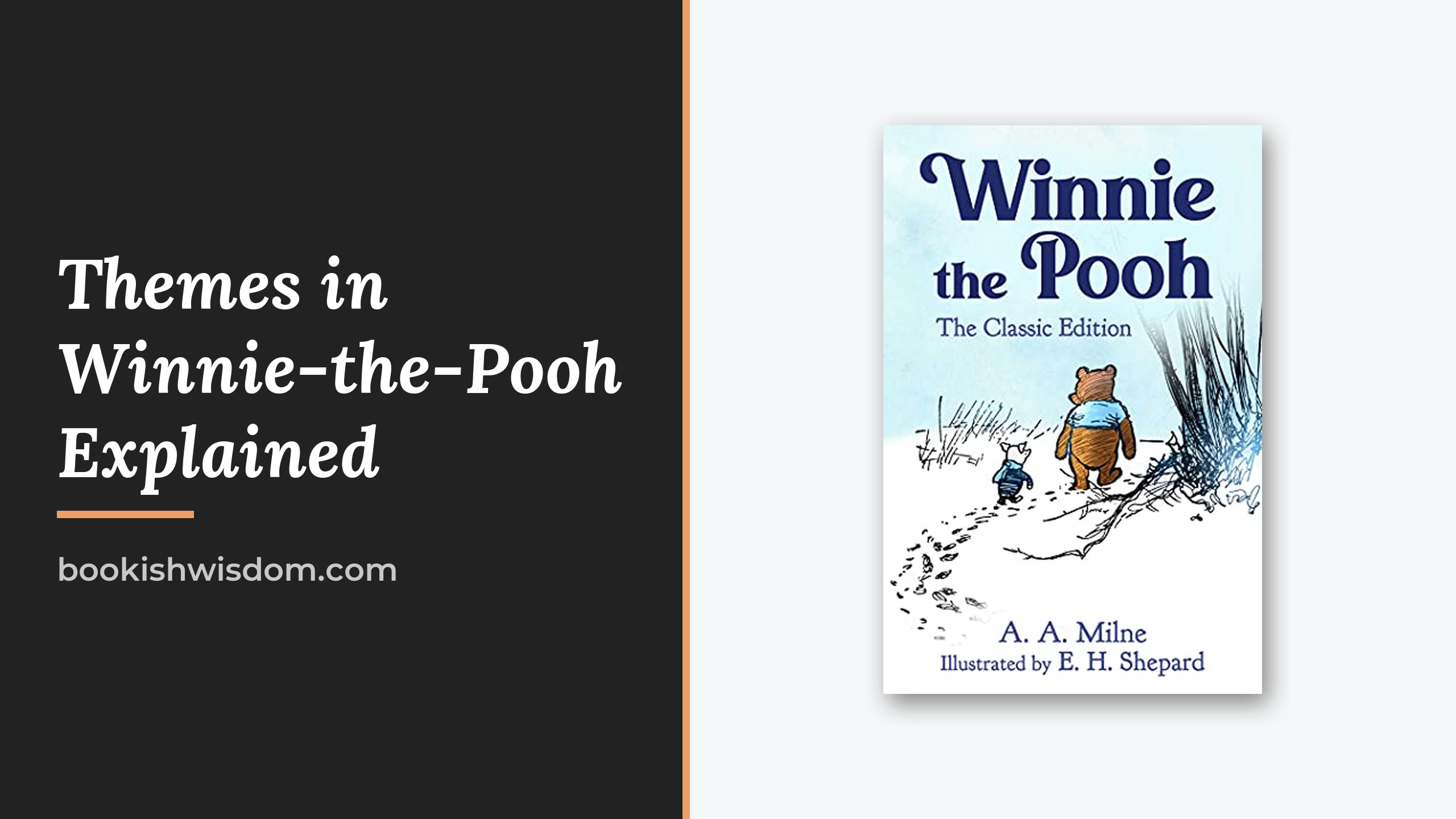
In the Hundred Acre Wood, a bear of very little brain named Winnie-the-Pooh lives among his friends: shy Piglet, gloomy Eeyore, bouncy Tigger (introduced in the sequel), wise but muddled Owl, bossy Rabbit, and Kanga and little Roo. Their friend Christopher Robin, a young boy, often helps them. In gentle, funny stories, they go on an “expotition” to the North Pole, try to catch a Heffalump, celebrate Eeyore's birthday and rescue Piglet in a flood. Milne based the stories on his son's toys.
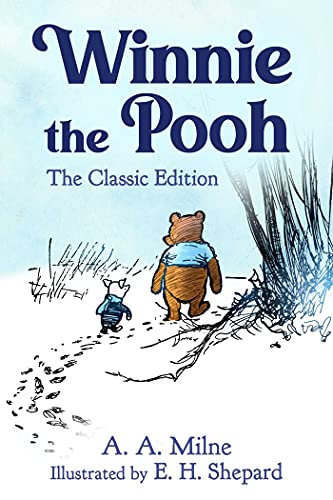
Check price of Winnie-the-Pooh on Amazon
The Main Themes in Winnie-the-Pooh
1. Friendship
The friends care for each other in simple ways. Milne shows friendship as kindness, patience and loyalty, even when friends are very different.
Question to consider: Where in Winnie-the-Pooh does friendship matter most to the characters, and what does A.A. Milne want readers to think about it?
2. Innocence and childhood
The stories capture the innocent joy of childhood.
Question to consider: Where in Winnie-the-Pooh does innocence and childhood matter most to the characters, and what does A.A. Milne want readers to think about it?
3. Simplicity
Pooh's simple wisdom often beats cleverness. Pooh often solves problems by accident.
Question to consider: Where in Winnie-the-Pooh does simplicity matter most to the characters, and what does A.A. Milne want readers to think about it?
4. Imagination
The stories come from a child's imagination. Christopher Robin's play brings the toys to life.
Question to consider: Where in Winnie-the-Pooh does imagination matter most to the characters, and what does A.A. Milne want readers to think about it?
5. Kindness
The friends help each other. They throw parties and help in floods.
Question to consider: Where in Winnie-the-Pooh does kindness matter most to the characters, and what does A.A. Milne want readers to think about it?
Symbols and Motifs
- The honey pot. It represents Pooh's simple pleasures.
- The Hundred Acre Wood. It symbolises childhood.
- Eeyore's tail. It stands for care.
- Poohsticks. The game represents simple joy.
How the Themes Connect
Friendship, innocence, simplicity, imagination and kindness shape the stories. Milne's gentle humour and E.H. Shepard's illustrations made Pooh one of the most beloved characters in children's literature.
How to Write About the Themes of Winnie-the-Pooh
If you are writing an essay or preparing for class, these steps help:
- Pick one theme. A focused argument is stronger than a list of everything.
- Find evidence in the text. Point to specific scenes, characters and choices rather than general impressions.
- Explain, don't just describe. After each example, say what it shows about the theme.
- Connect to the ending. Ask how the final chapters resolve or complicate the theme.
- Consider other readings. A fair essay acknowledges that readers can disagree.
Discussion Questions
- Which of the themes above feels most relevant to your own life, and why?
- Do the characters in Winnie-the-Pooh handle friendship well or badly?
- How does the title relate to the themes of the book?
- Would the story change if it were set in a different time or place?
- What does A.A. Milne leave unresolved, and why might that be?
Books With Similar Themes
- The House at Pooh Corner by A.A. Milne
- The Wind in the Willows by Kenneth Grahame
Related: Winnie-the-Pooh by A. A. Milne: Summary and Key Takeaways · 15 Books Like Winnie-the-Pooh You’ll Love
Frequently Asked Questions
What is the main theme of Winnie-the-Pooh?
The central theme is friendship, supported by innocence and childhood and simplicity.
How many themes does Winnie-the-Pooh have?
This guide covers 5 main themes, but readers may find others.
Who wrote Winnie-the-Pooh?
Winnie-the-Pooh was written by A.A. Milne and first published in 1926.
Is Winnie-the-Pooh a good book for studying themes?
Yes. Its themes are clear enough to follow and rich enough to support essays and group discussion.
What should I read after Winnie-the-Pooh?
Try The House at Pooh Corner by A.A. Milne or The Wind in the Willows by Kenneth Grahame.