
Disclosure: As an Amazon Associate, Bookish Wisdom earns from qualifying purchases. This doesn't change our picks or your price.
Quick answer: Early reader books, also called leveled readers or beginning readers, are short, simple books designed for children who are just learning to read on their own, usually ages 4 to 8. They use short sentences, repeated words, simple vocabulary and plenty of pictures that support the text. Publishers often label them by levels, such as Level 1 or Level 2, and well-known examples include Elephant and Piggie, Frog and Toad and Biscuit.
Table of Contents
Key Facts
| Item | Detail |
|---|---|
| Ages | About 4 to 8 |
| Features | Short sentences, repeated words, pictures |
| Levels | Publisher levels, such as Level 1 to 4 |
| Famous series | Elephant and Piggie, Frog and Toad |
| Next step | Chapter books |
How to Choose Early Reader Books
1. Check the level
Publisher levels guide difficulty, though they vary between brands.
2. Look for supportive pictures
Pictures help children figure out new words.
3. Choose repetition
Repeated words and patterns build confidence.
4. Let children choose topics
Interest motivates reading.
5. Read together
Take turns reading pages.
6. Praise effort
Celebrate trying, not just accuracy.
Early Reader Mistakes to Avoid
- Choosing books too hard. Frustration reduces motivation.
- Relying only on levels. Levels vary by publisher.
- Correcting every mistake. Let children self-correct.
- Stopping read-alouds. Keep reading to children.
- Rushing to chapter books. Confidence matters.
Tips for Parents and Teachers
Children read more when they choose their own books, so offer a few good options and let them pick. Read aloud together even after they can read alone, because hearing fluent reading builds vocabulary and comprehension. Visit the library regularly and let children browse freely. Keep books in every room, including the car. Celebrate finished books with a simple chart or a family book chat, and avoid turning reading into a punishment or a chore. Most of all, show that you read too, since children copy what they see.
If a child is reluctant, try graphic novels, joke books, nonfiction about a favorite topic or audiobooks. Every format builds reading skills, and the goal is to make reading feel enjoyable rather than forced.
Finally, keep reading time warm and relaxed. A cozy routine, such as a story before bed or a weekend library trip, helps children connect books with comfort and fun, and that feeling lasts long after they can read on their own.
Libraries, school librarians and children's booksellers are excellent sources of recommendations, so ask them for books that match a child's interests and reading level.
Remember that every child develops at their own pace. Encouragement, patience and plenty of choice matter more than any reading level label.
Children also benefit from seeing themselves and others in books. A mix of familiar experiences and new cultures, places and perspectives builds empathy and keeps reading interesting as children grow.
Helpful Books and Resources
-
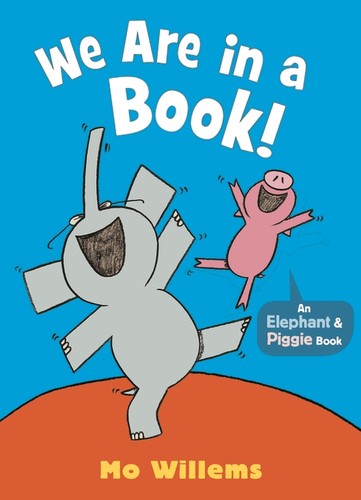
We Are in a Book! by Mo Willems
-
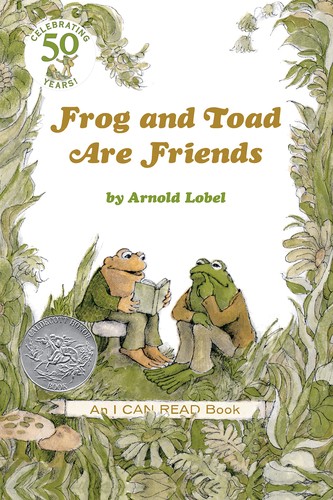
Frog and Toad Are Friends by Arnold Lobel
-
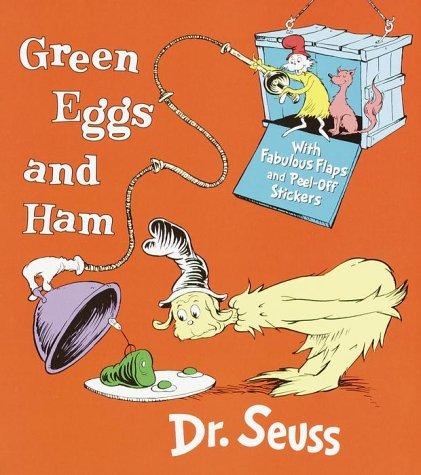
Green Eggs and Ham by Dr. Seuss
Related: Green Eggs and Ham by Dr. Seuss: Summary and Key Takeaways · Books for Early Years Teachers: 15 Great Picks
Frequently Asked Questions
What are early reader books?
Short, simple books for new readers.
What age are early readers for?
About 4 to 8.
What are leveled readers?
Books labeled by difficulty.
What is Level 1?
The easiest level, with very simple words.
Are levels the same across publishers?
No, they vary.
What are good early readers?
Elephant and Piggie, Frog and Toad and Biscuit.
How do early readers help?
They build decoding skills and confidence.
Should I read with my child?
Yes, take turns reading.
What comes after early readers?
Chapter books.
What are sight words?
Common words children learn to recognize instantly.
What is decodable text?
Text using letter patterns children have learned.
How long are early readers?
Usually 32 to 64 pages.
Do early readers need pictures?
Yes, pictures support understanding.
Can early readers be nonfiction?
Yes, many cover animals and science.
What if my child guesses words?
Encourage them to check letters and pictures.
Are early readers boring?
Good ones are funny and engaging.
What is a phonics reader?
A book focusing on specific letter sounds.
How often should kids read early readers?
Daily short sessions are ideal.
Can older kids read early readers?
Yes, if they are still building skills.
Are graphic early readers good?
Yes, such as Elephant and Piggie.
What is Dr. Seuss's role?
His Beginner Books helped create the category.
Do libraries have early readers?
Yes, usually in a dedicated section.
How do I know my child is progressing?
They read more smoothly and choose harder books.
How do I make reading practice fun?
Use funny voices, take turns and let children pick books.
What if my child memorizes the book?
Memorizing is a normal step and builds confidence.
Are early readers good for English learners?
Yes, simple patterns help language learners.
How many words are in Level 1 books?
Often just a few short sentences per page.
Should I point to words while reading?
Yes, it helps children connect sounds and print.
What are good early reader gifts?
A boxed set of a favorite series.
Can early readers help with writing?
Children often copy their patterns in their own stories.